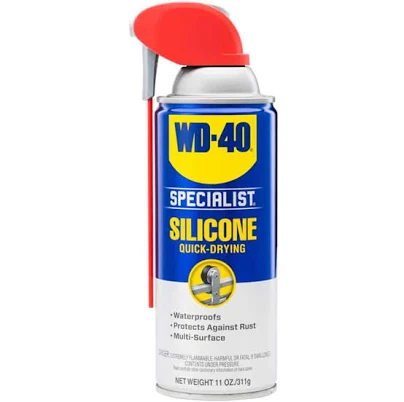
WD-40 · Outdoor Furniture Cushion Protectants
Hausers Patio Spray Silicone (WD-40 Brand)
Wait. Waterproofing sprays often contain PFAS; no brand transparency.
WD-40's patio spray silicone repels water and stains, typical applications for PFAS-based repellent coatings. The brand makes no PFAS disclosures or certifications.
The better-graded swap
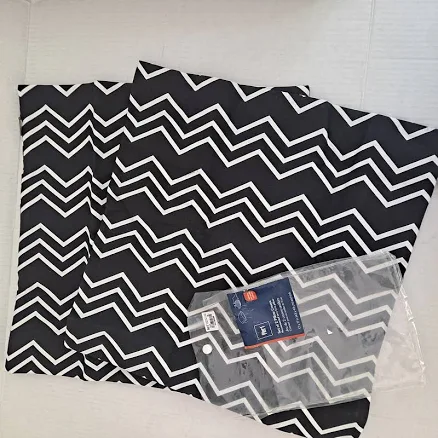
Pier 1 Imports
Pier 1 Set of 2 Black White Throw Pillow Covers 17" Square Indoor Outdoor
75/100 safety
Same rubric that flunked this product. The swap earned Excellent.
Still want this one anyway? Check the price on Amazon. We’d swap it.
Material
silicone spray coating, formulation undisclosed
Lab data
No public lab test
What Hausers Patio Spray Silicone (WD-40 Brand) is made of, ingredients and materials
WD-40's silicone spray is a hydrocarbon solvent carrier with silicone polymers that dry to a water-repellent coating. The brand does not disclose full formulation, including whether additional additives (lubricants, antimicrobials, UV absorbers) are present. Silicone itself is inert once cured, but the solvent phase poses inhalation risk during application and may contain volatile organic compounds (VOCs). The product is designed for exterior furniture protection, not direct skin or food contact.
What’s concerning
Category baseline
The starting point for this type of product, before anything specific to this product is counted.
No PFAS disclosure
No public statement from the brand about PFAS in this product.
Waterproof / stain-resistant treatment
Water-repellent coating treatments have historically used PFAS.
Volatile organic compounds (VOCs) and inhalation risk
Hydrocarbon solvent carriers in spray-on silicone products are inherently volatile. WD-40 does not publish VOC content or air quality certifications, making cumulative or prolonged inhalation exposure assessment impossible. Users in enclosed or poorly ventilated spaces are at highest risk.
Skin and eye contact irritation
Silicone spray products can cause irritation on prolonged contact with skin or eyes. WD-40 does not publish a detailed safety data sheet (SDS) for this consumer product, but standard solvent-based sprays carry this risk. Wear gloves and eye protection during application.
Slipperiness and fall hazard
Silicone coatings create a slippery surface; excess residue on furniture seats or high-traffic areas poses a slip-and-fall risk, particularly on damp surfaces. Product labeling does not emphasize this secondary hazard.
VOC off-gassing from cured coating
While silicone polymers themselves are stable, residual solvents trapped in the cured coating may slowly off-gas, especially in warm sunlight. WD-40 provides no data on cure time or residual solvent levels. This is a minor concern for outdoor furniture but relevant if items are stored indoors after application.
Undisclosed additives and formulation opacity
WD-40's refusal to disclose full ingredient lists (including potential PFAS, flame retardants, or antimicrobial agents) means unknown exposure risks cannot be ruled out. This is especially concerning given the category's historical PFAS contamination.
The full breakdown
The brand's record and disclosure
WD-40 Company has faced criticism for non-transparency in chemical formulations across its product line; this silicone spray is marketed with minimal ingredient detail. The brand has no published certifications for low-VOC or eco-friendly status specific to this line. WD-40 has not made public commitments to PFAS elimination, and waterproofing sprays in this category historically contain PFAS, the brand's silence on this issue is a red flag. No recalls or regulatory violations have been established for this specific product.
How it compares in its category
Patio furniture silicone sprays vary widely; some competitors (e.g., Scotchgard, certain plant-based alternatives) offer better disclosure or PFAS-free formulations. WD-40's entry is mid-tier in transparency and lacks third-party testing claims. Many silicone sprays carry similar solvent-based risks; water-based or wax-based alternatives exist but may offer less durable water repellency. Price and ubiquity favor WD-40, but environmental and respiratory concerns push users toward smaller-label, more transparent options.
If you buy it
Apply only outdoors in well-ventilated areas; avoid breathing spray mist and skin contact (wear gloves and eye protection). Do not use on surfaces that contact food or hands frequently (e.g., picnic table tops used for dining). Reapply annually or after heavy rain to maintain water repellency; degradation is gradual and depends on UV exposure and wear. Store away from heat and ignition sources, as the solvent carrier is flammable. Wipe excess spray before it fully dries to prevent buildup and slipperiness.
What we don’t know
- Basis
- Model estimate, 35% confidence, not a lab result
- Lab test
- None on record for this exact product
- Brand statement
- WD-40 has made a specific claim
Formulations change between production runs, so check the current label. How we grade.
Better-graded alternatives in Outdoor Furniture Cushion Protectants
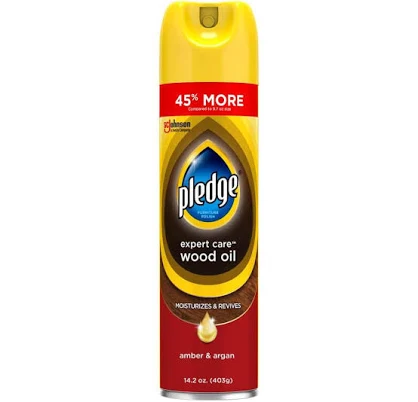
Pledge
14.2 oz. Amber and Argan Scent Furniture Moisturizing Oil
- mineral oil, argan oil blend
- We found no PFAS statement from the brand
- Fragrance allergens and undisclosed components
4 hazards checked on this product. See all of them.

West Elm
Cut Garden Flowers Pillow Cover
- 100% cotton canvas
- Azo dyes and dye contamination
3 hazards checked on this product. See all of them.
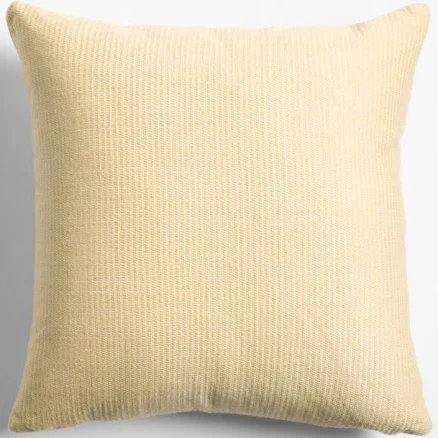
Crate and Barrel
Crate & Barrel Surya Yellow Throw Pillow
- Polyester, cotton, or cotton-blend fabric with standard dyes
- We found no PFAS statement from the brand
- Azo dyes and color migration
3 hazards checked on this product. See all of them.
More outdoor furniture cushion protectants grades
How we score, every product runs through the same public 0-100 rubric based on materials, coatings, brand disclosure, lab findings, and recalls. See the full methodology → Spotted a mistake? Report an error.