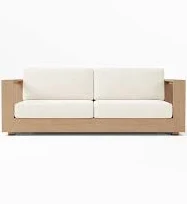
West Elm · Outdoor Furniture Cushion Protectants
Telluride Outdoor Sofa Cushion Cover
Skip; outdoor cushion typically has PFAS treatment; West Elm won't confirm.
West Elm keeps the treatment chemistry secret for this polyester blend cushion. Outdoor furniture textiles commonly use PFAS-based water repellent coatings.
The better-graded swap
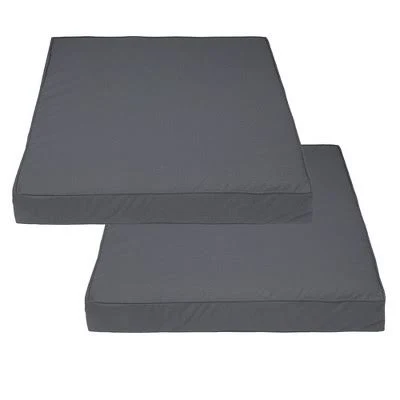
Covers & All
Covers & All Square Cushion Slipcover
75/100 safety
Same rubric that flunked this product. The swap earned Excellent.
Still want this one anyway? Check the price on Amazon. We’d swap it.
Material
outdoor cushion cover, polyester blend with stain/water treatment
Lab data
No public lab test
What Telluride Outdoor Sofa Cushion Cover is made of, ingredients and materials
The Telluride cover is a polyester blend specifically marketed for outdoor use with integrated stain and water treatment. This treatment layer is almost certainly a fluorochemical finish (PFAS-based), which is industry standard for outdoor textiles to repel moisture and stains. Polyester itself is stable at typical use temperatures, but the applied treatment is the primary chemical concern. The weave and blend composition are designed for UV and weather resistance rather than direct food contact, so material migration risks differ from indoor upholstery.
What’s concerning
Category baseline
The starting point for this type of product, before anything specific to this product is counted.
No PFAS disclosure
No public statement from the brand about PFAS in this product.
Waterproof / stain-resistant treatment
Water-repellent coating treatments have historically used PFAS.
PFAS
Standard in outdoor cushion covers. West Elm does not disclose source, type (long-chain vs. short-chain), or concentration. Graded separately at 30/100 safety.
Source, ATSDR ↗Polyester microfiber shedding
With weathering, UV degradation, and washing, polyester fibers can shed into soil and water. Risk increases as cover ages; outdoor placement means potential direct environmental release.
Volatile organic compound (VOC) off-gassing from treatment chemicals during initial use
New cushion covers may release solvents or unreacted fluorochemical compounds for the first weeks of outdoor exposure. Off-gassing risk is lower in outdoor than indoor contexts due to air circulation, but noticeable odor is common.
What’s reassuring
Formaldehyde / VOCs
West Elm does not list formaldehyde-free certifications (e.g., Oeko-Tex) for this product. Outdoor textiles generally receive less scrutiny on this than apparel, but low-level residues are possible depending on dye processes.
Source, ATSDR ↗Heavy metals
No specific test data available for the Telluride cushion cover. Outdoor textiles are not food-contact items, limiting migration risk, but certain dyes (especially in dark colors) may contain antimony or heavy metals used as dye auxiliaries.
Source, FDA ↗The full breakdown
The brand's record and disclosure
West Elm (owned by Williams-Sonoma Inc.) has not publicly committed to PFAS phase-out in home textiles or disclosed chemical treatment sources for outdoor collections. The brand markets sustainability credentials around wood sourcing and labor practices but remains silent on fluorochemical use in weatherproofing. No major recalls or chemical safety controversies are documented for this specific product line. This silence on a known standard treatment is the key disclosure gap.
How it compares in its category
Outdoor cushion covers across all major retailers (Pottery Barn, Restoration Hardware, Article, Wayfair) rely on PFAS-based water and stain treatments as the baseline for performance. West Elm's pricing and quality tier are mid-to-premium for the category. Few mainstream brands offer PFAS-free outdoor cushion covers; those that do typically cost 20-40 percent more and have shorter durability windows. West Elm does not differentiate itself as a lower-PFAS option.
If you buy it
Machine wash in cool water and air dry to minimize any release of treatment chemicals during care. Do not dry-clean or expose to heat above 140 degrees Fahrenheit. Replace covers every 3-5 years depending on UV and weather exposure; degradation of the treatment layer can accelerate off-gassing and reduce stain resistance. Store indoors during winter if possible to extend the life of the water repellent finish and reduce microfiber shedding into soil.
What we don’t know
- Basis
- Model estimate, 42% confidence, not a lab result
- Lab test
- None on record for this exact product
- Brand statement
- West Elm has made a specific claim
Formulations change between production runs, so check the current label. How we grade.
Better-graded alternatives in Outdoor Furniture Cushion Protectants
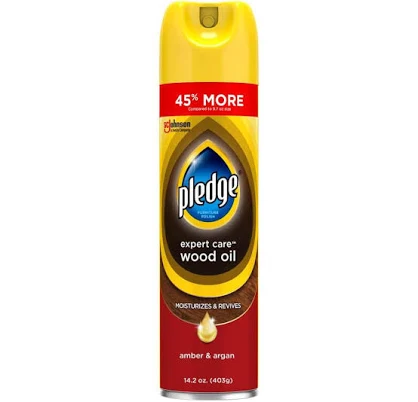
Pledge
14.2 oz. Amber and Argan Scent Furniture Moisturizing Oil
- mineral oil, argan oil blend
- We found no PFAS statement from the brand
- Fragrance allergens and undisclosed components
4 hazards checked on this product. See all of them.
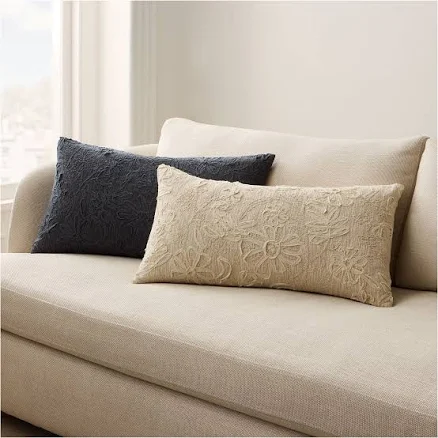
West Elm
Cut Garden Flowers Pillow Cover
- 100% cotton canvas
- Azo dyes and dye contamination
3 hazards checked on this product. See all of them.
Crate and Barrel
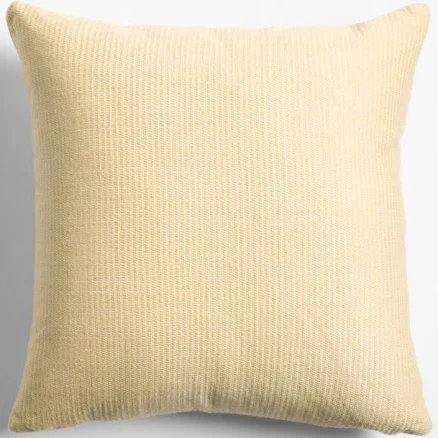
Crate & Barrel Surya Yellow Throw Pillow
- Polyester, cotton, or cotton-blend fabric with standard dyes
- We found no PFAS statement from the brand
- Azo dyes and color migration
3 hazards checked on this product. See all of them.
More outdoor furniture cushion protectants grades
How we score, every product runs through the same public 0-100 rubric based on materials, coatings, brand disclosure, lab findings, and recalls. See the full methodology → Spotted a mistake? Report an error.