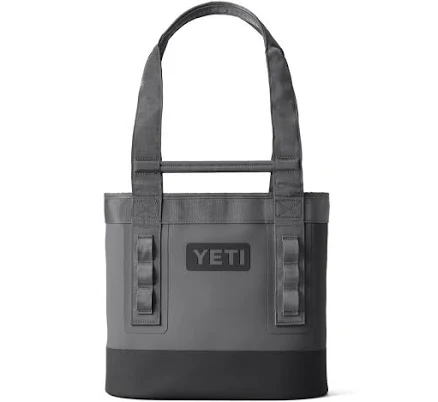
Yeti · Waterproof Bags & Luggage
Camino Carryall YETI
water-repellent coating treatment used but chemistry not disclosed by brand.
Camino Carryall has canvas with a water-repellent coating finish. YETI has no PFAS statement on record and does not disclose the chemistry of the water-repellent coating treatment.
The better-graded swap
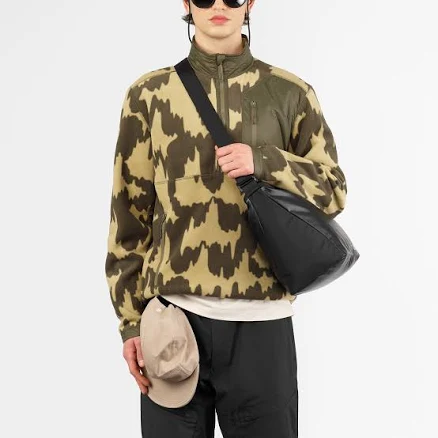
Salomon
Salomon Extended Totebag
85/100 safety
Same rubric that flunked this product. The swap earned Excellent.
Still want this one anyway? Check the price on Amazon. We’d swap it.
Material
Canvas with water-repellent coating waterproof treatment
Lab data
No public lab test
You may also be interested in
Top-graded picks in the categories readers replace first, every one scored on the same rubric.

Aqua Pure
3M Aqua-Pure AP802B Whole House Filter Housing
- polypropylene filter housing, carbon/sediment cartridge
- We found no PFAS statement from the brand
- Bacterial growth in spent cartridges
3 hazards checked on this product. See all of them.

Aquasure
Premier Series 75 GPD Under Sink Reverse Osmosis Water Filtration System
- RO membrane, carbon filters, stainless steel housing
- We found no PFAS statement from the brand
- Bacterial and microbial growth in housing and filters
4 hazards checked on this product. See all of them.

Avocado
Vegan Mattress
- organic cotton, natural latex, coconut coir, recycled steel coils
- The brand calls it PFAS-free, which we have not verified
- Heavy metals
2 hazards checked on this product. See all of them.
What Camino Carryall YETI is made of, ingredients and materials
The Camino Carryall is woven canvas (typically cotton or cotton-blend) treated with a water-repellent coating (water-repellent coating) finish to shed water without pooling. Canvas itself is inert and poses no leaching risk. The water-repellent coating is the only chemical component of concern; YETI does not publicly disclose whether it uses PFAS-based or non-PFAS alternatives. Canvas does not off-gas volatile organics significantly, nor does it shed microplastics during normal use.
What’s concerning
Category baseline
The starting point for this type of product, before anything specific to this product is counted.
No PFAS disclosure
No public statement from the brand about PFAS in this product.
Waterproof / stain-resistant treatment
Water-repellent coating treatments have historically used PFAS.
PFAS
YETI does not disclose whether the waterproof treatment uses legacy PFAS (C8) or newer alternatives (C6, fluorine-free). No recalls or health incidents are on record for this product. Risk is theoretical and tied to environmental persistence, not acute toxicity during normal use.
Source, ATSDR ↗Dye migration or color bleeding
Canvas bags sometimes exhibit minor dye bleed in the first wash, particularly if treated with dark pigments. This is cosmetic rather than a health hazard, but contact with light-colored clothing is possible. Pre-washing or washing separately mitigates this.
Mildew or bacterial growth
If stored damp or in high-humidity conditions, canvas can develop mold or mildew over time. This is a maintenance issue rather than a manufacturing defect; proper drying after use prevents growth.
What’s reassuring
Heavy metals
YETI typically sources quality metal zippers and hardware. No documented lead or cadmium contamination in YETI bag hardware; standard industry practice does not involve high-risk plating on exterior zippers.
Source, FDA ↗Formaldehyde / VOCs
Canvas carryalls do not typically undergo formaldehyde-resin curing (common in synthetic textiles and wrinkle-resistance finishes). No evidence of formaldehyde treatment in YETI Carryall product specs or user reports.
Source, ATSDR ↗The full breakdown
The brand's record and disclosure
YETI has built a strong reputation for durable outdoor products and generally transparent marketing, but has remained silent on water-repellent coating chemistry across its apparel and gear lines. The company does not publish PFAS policies or pursue third-party certifications (such as GOTS or Bluesign) that would guarantee non-PFAS treatment. This silence reflects industry-wide evasion rather than unique negligence, but limits buyer confidence in coating composition.
How it compares in its category
Canvas carryalls have lower concern for BPA, phthalates, and microplastic leaching compared to plastic or synthetic polymer bags. YETI's construction quality (reinforced stitching, heavy-duty zippers) exceeds many budget competitors, reducing failure and replacement frequency. Non-disclosure of water-repellent coating chemistry is standard across outdoor brands; few publish coating details, making this product typical rather than outlier.
If you buy it
Wash separately from delicate items the first 2-3 times to prevent dye bleed if canvas is new. Machine wash cold with mild detergent; strong detergents can degrade the water-repellent coating over time. Expect the water-repellent finish to diminish after 12-24 months of regular use and moisture exposure; re-treatment products are available. Do not dry-clean or expose to high heat, as this can compromise coating integrity.
What we don’t know
- Basis
- Model estimate, 45% confidence, not a lab result
- Lab test
- None on record for this exact product
- Brand statement
- Yeti has made a specific claim
Formulations change between production runs, so check the current label. How we grade.
Better-graded alternatives in Waterproof Bags & Luggage
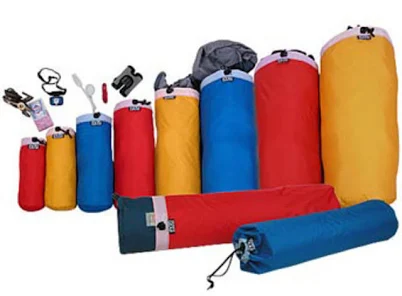
Granite Gear
ToughSack Assorted Colors
- Cordura nylon fabric
- We found no PFAS statement from the brand
- Heavy metals
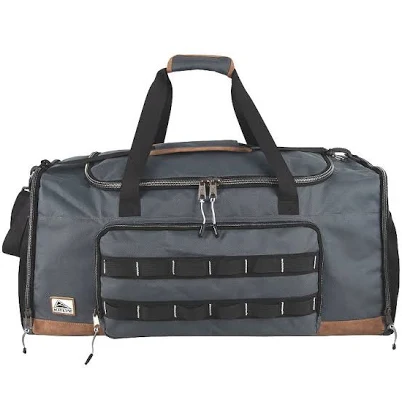
Kelty
Daisy Chain Web Duffel Bag
- Polyester webbing and nylon
- Azo dyes in polyester webbing
4 hazards checked on this product. See all of them.
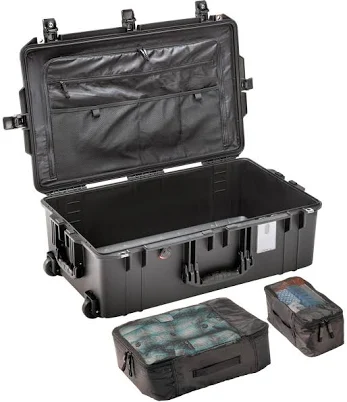
Pelican
1595 Air Travel Case
- Polypropylene shell, polyurethane foam, stainless steel hardware
- Polyurethane foam degradation and off-gassing
More waterproof bags & luggage grades
How we score, every product runs through the same public 0-100 rubric based on materials, coatings, brand disclosure, lab findings, and recalls. See the full methodology → Spotted a mistake? Report an error.