Yeti · Waterproof Bags & Luggage
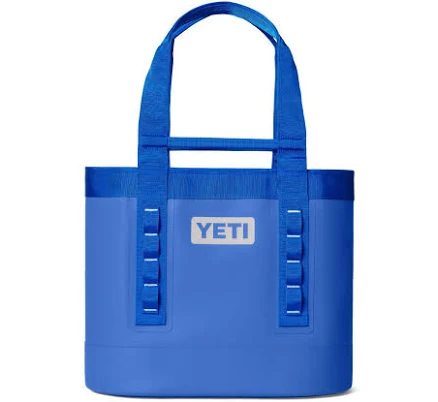
YETI Camino 35 Carryall Tote Bag
Canvas tote with water-repellent coating treatment. PFAS status unclear from YETI.
YETI's Camino tote uses durable canvas with water-resistant finish likely treated with water-repellent coating. The brand won't disclose PFAS or coating details.
The better-graded swap
Pelican
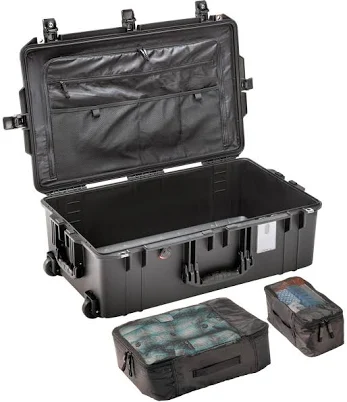
Pelican 1595 Air Travel Case
85/100 safety
Same rubric that flunked this product. The swap earned Excellent.
Still want this one anyway? Check the price on Amazon. We’d swap it.
Material
Canvas/cotton blend with water-repellent coating
Lab data
No public lab test
You may also be interested in
Top-graded picks in the categories readers replace first, every one scored on the same rubric.

Aqua Pure
3M Aqua-Pure AP802B Whole House Filter Housing
- polypropylene filter housing, carbon/sediment cartridge
- We found no PFAS statement from the brand
- Bacterial growth in spent cartridges
3 hazards checked on this product. See all of them.

Aquasure
Premier Series 75 GPD Under Sink Reverse Osmosis Water Filtration System
- RO membrane, carbon filters, stainless steel housing
- We found no PFAS statement from the brand
- Bacterial and microbial growth in housing and filters
4 hazards checked on this product. See all of them.

Avocado
Vegan Mattress
- organic cotton, natural latex, coconut coir, recycled steel coils
- The brand calls it PFAS-free, which we have not verified
- Heavy metals
2 hazards checked on this product. See all of them.
What YETI Camino 35 Carryall Tote Bag is made of, ingredients and materials
The Camino 35 uses a canvas or cotton-blend fabric treated with a water-repellent coating (water-repellent coating) finish. water-repellent coating coatings are the primary chemical concern in textiles of this type, as some formulations historically contained PFAS compounds, though modern treatments may use non-PFAS alternatives. The base canvas itself is generally low-risk for additives compared to synthetic fabrics, but the specific water-repellent coating chemistry here is not disclosed by YETI.
What’s concerning
Category baseline
The starting point for this type of product, before anything specific to this product is counted.
No PFAS disclosure
No public statement from the brand about PFAS in this product.
Waterproof / stain-resistant treatment
Water-repellent coating treatments have historically used PFAS.
water-repellent coating chemistry (fluorinated vs non-fluorinated)
Canvas water-repellent coating finishes commonly use PFAS compounds for water and oil repellency. YETI has not disclosed whether the Camino 35 uses legacy PFAS-based or newer non-PFAS alternatives, leaving the actual risk profile unclear.
Coating degradation and microparticle shedding
As water-repellent coating coatings age or wash, they can flake or release particles, particularly if repeatedly reapplied or exposed to abrasion. This is a handling concern rather than a chemical hazard but relevant to long-term product durability and maintenance.
What’s reassuring
Formaldehyde / VOCs
Canvas may contain small amounts of formaldehyde-based sizing agents used in weaving. No specific reports for YETI canvas products, and amounts in finished goods are typically low, but off-gassing from new textiles is possible during initial use.
Source, ATSDR ↗Heavy metals
The Camino 35 is primarily natural or off-white canvas; if dyes are used, restricted azo dyes are not likely, and no safety incidents are documented for YETI's dyed textiles. Standard commercial dyes meet most regulatory limits.
Source, FDA ↗Allergen contact from handling (low-risk)
Canvas and cotton blends are generally hypoallergenic. No documented allergen issues specific to YETI totes; risk is minimal compared to synthetic blends.
The full breakdown
The brand's record and disclosure
YETI has not publicly committed to PFAS-free materials or disclosed its water-repellent coating suppliers and chemistry. The brand is known for premium outdoor product quality but remains silent on fluorinated water-repellent treatments across its textile line. No independent recalls or safety controversies specific to Camino bags are on record. This silence makes it difficult to assess whether the water-repellent coating uses legacy PFAS or newer alternatives.
How it compares in its category
Canvas totes with water-repellent treatment occupy a middle ground, more durable than uncoated cotton, but heavier chemical processing than plain canvas. Competitors vary widely; some brands explicitly use PFAS-free wax or paraffin coatings, while others disclose PFAS or remain opaque. YETI's lack of transparency is a weakness relative to brands that specify non-fluorinated water-repellent coating chemistry. The Camino 35 is positioned as a premium product, which should invite higher disclosure standards.
If you buy it
Store away from direct heat sources and do not machine-wash in hot water, as heat can degrade synthetic coatings. Air-dry only and reapply water-repellent coating periodically if water beading diminishes; use a compatible non-PFAS refresh product if possible to avoid reintroducing fluorinated compounds. Spot-clean with mild soap and water for most stains. If PFAS exposure is a concern for your household, contact YETI directly to request water-repellent coating formulation details before purchase.
What we don’t know
- Basis
- Model estimate, 45% confidence, not a lab result
- Lab test
- None on record for this exact product
- Brand statement
- Yeti has made a specific claim
Formulations change between production runs, so check the current label. How we grade.
Better-graded alternatives in Waterproof Bags & Luggage
Granite Gear
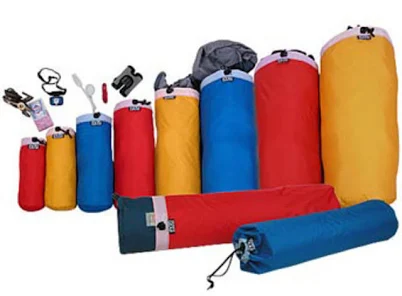
ToughSack Assorted Colors
- Cordura nylon fabric
- We found no PFAS statement from the brand
- Heavy metals
Kelty
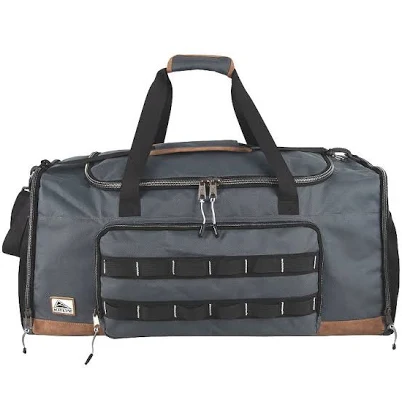
Daisy Chain Web Duffel Bag
- Polyester webbing and nylon
- Azo dyes in polyester webbing
4 hazards checked on this product. See all of them.
Pelican
1595 Air Travel Case
- Polypropylene shell, polyurethane foam, stainless steel hardware
- Polyurethane foam degradation and off-gassing
More waterproof bags & luggage grades
How we score, every product runs through the same public 0-100 rubric based on materials, coatings, brand disclosure, lab findings, and recalls. See the full methodology → Spotted a mistake? Report an error.