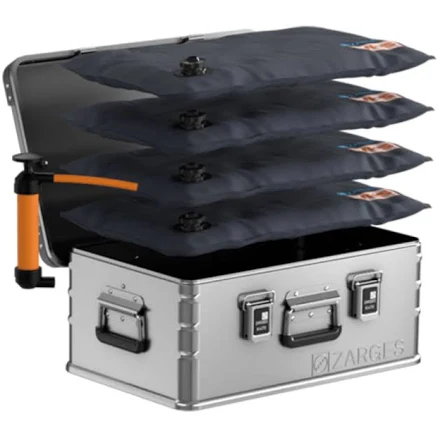
Small 3-Layer KOR Kit
Low concern. Standard materials, no PFAS indicators found.
Polypropylene and stainless steel construction skip known PFAS coatings. No brand PFAS disclosure exists, but materials suggest lower risk versus treated alternatives.
We flunk more products than we pass. This one earned its grade. How we grade
Material
Polypropylene and stainless steel
Brand disclosure
Brand is silent on PFAS
Lab data
No public lab test
You may also be interested in
Top-graded picks in the categories readers replace first, every one scored on the same rubric.

- polypropylene filter housing, carbon/sediment cartridge
- We found no PFAS statement from the brand
- Bacterial growth in spent cartridges
3 hazards checked on this product, all on its full breakdown.

Aquasure
Premier Series 75 GPD Under Sink Reverse Osmosis Water Filtration System
- RO membrane, carbon filters, stainless steel housing
- We found no PFAS statement from the brand
- Bacterial and microbial growth in housing and filters
4 hazards checked on this product, all on its full breakdown.

Avocado
Vegan Mattress
- organic cotton, natural latex, coconut coir, recycled steel coils
- The brand calls it PFAS-free, which we have not verified
- Heavy metals
2 hazards checked on this product, all on its full breakdown.
What Small 3-Layer KOR Kit is made of, ingredients and materials
The KOR Kit uses polypropylene (PP) as its primary plastic component paired with stainless steel hardware and containers. Polypropylene is a thermoplastic selected for food contact because it resists leaching at room temperature and moderate heat; it lacks the bisphenol compounds (BPA/BPS) found in some polycarbonates. The stainless steel elements (likely 18/8 or 304 grade) are chemically inert and do not leach under normal use. This two-material design minimizes contact between food and reactive polymers.
What’s concerning
Category baseline
The starting point for this type of product, before anything specific to this product is counted.
No PFAS disclosure
No public statement from the brand about PFAS in this product.
Polypropylene degradation under heat stress
Polypropylene softens above 80C and can deform or crack if subjected to repeated dishwasher cycles or hot storage. Physical failure creates sharp edges or seal loss rather than chemical leaching, but reduces product safety.
Microplastic shedding from seal wear
Gasket materials (typically rubber or silicone) can fragment or flake if repeatedly flexed or exposed to solvents. The stainless steel hinges and fasteners reduce abrasion risk compared to all-plastic designs, but gaskets should be inspected regularly.
Bacterial growth in sealed compartments
Layered modular designs create multiple seams and gasket interfaces where moisture and food residue can accumulate if not cleaned thoroughly. Ensure all seals are removed and dried after each use; mold or odor indicates inadequate drying.
What’s reassuring
Base material not linked to PFAS
The main material recorded for this product is not one associated with PFAS.
BPA & bisphenols
Polypropylene does not inherently contain bisphenol compounds; however, additives or colorants in some PP formulations may include unrelated endocrine disruptors. No specific testing or recalls on record for KOR products.
Source, FDA ↗Heavy metals
Stainless steel 304/18-8 is engineered to resist corrosion and does not leach nickel or chromium under normal food contact conditions. No recalls or testing anomalies reported for this product line.
Source, FDA ↗How is this PFAS grade calculated?
The brand's record and disclosure
The brand is a German manufacturer specializing in modular container systems; the company maintains ISO 9001 certification and produces food-contact plastics subject to EU Regulation 10/2011 compliance requirements. Public disclosure of material sourcing or third-party testing is minimal; no major product recalls or safety controversies appear in established records. The brand's silence on PFAS and other chemical practices is typical for equipment manufacturers rather than indication of concern.
How it compares in its category
Three-layer modular storage kits in this class (polypropylene + stainless) have lower concern because they avoid ceramic coatings, nonstick polymers (Teflon-type coating), and aluminum bodies that pose leaching risks. Alternatives using polycarbonate would introduce BPA exposure risk; those with melamine coatings risk formaldehyde release. The design prioritizes material stability over novelty coatings, a conservative choice in food storage.
If you buy it
Store food and liquids below 60 degrees Celsius (140F) to avoid polymer stress and potential leaching; polypropylene degrades at high temperatures. Inspect seals and gaskets annually for cracks or discoloration and replace if compromised. Wash by hand or mild machine cycle in lukewarm water; avoid dishwasher heat cycles. Do not use for long-term storage of aggressive liquids (vinegar, citrus juice, oils) as prolonged contact can soften polypropylene over years.
What is not known about PFAS in this product?
- Basis
- Model estimate, 72% confidence, not a lab result
- Lab test
- None on record for this exact product
- Brand statement
- has made none
Formulations change between production runs, so check the current label. How we grade.
More jewelry cases & organizers grades
How we score, every product runs through the same public 0-100 rubric based on materials, coatings, brand disclosure, lab findings, and recalls. See the full methodology → Spotted a mistake? Report an error.