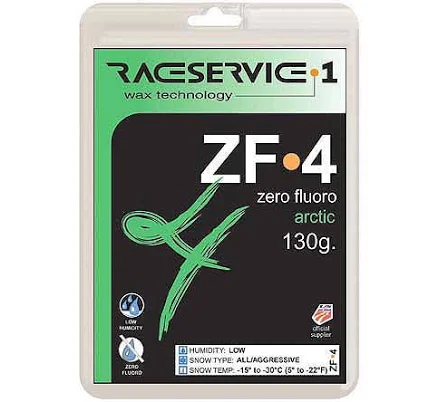
130g ZF4 Arctic Paraffin Ski Wax by SVST Race Service 1
Lower concern, paraffin wax is hydrocarbon-based, not fluorinated.
ZF4 Arctic Paraffin is formulated from paraffin wax, a petroleum-derived hydrocarbon without inherent fluorine chemistry. No evidence links traditional paraffin ski waxes to PFAS.
We flunk more products than we pass. This one earned its grade. How we grade
Material
Paraffin wax (hydrocarbon-based)
Brand disclosure
Brand is silent on PFAS
Lab data
No public lab test
You may also be interested in
Top-graded picks in the categories readers replace first, every one scored on the same rubric.

- polypropylene filter housing, carbon/sediment cartridge
- We found no PFAS statement from the brand
- Bacterial growth in spent cartridges
3 hazards checked on this product, all on its full breakdown.

Aquasure
Premier Series 75 GPD Under Sink Reverse Osmosis Water Filtration System
- RO membrane, carbon filters, stainless steel housing
- We found no PFAS statement from the brand
- Bacterial and microbial growth in housing and filters
4 hazards checked on this product, all on its full breakdown.

Avocado
Vegan Mattress
- organic cotton, natural latex, coconut coir, recycled steel coils
- The brand calls it PFAS-free, which we have not verified
- Heavy metals
2 hazards checked on this product, all on its full breakdown.
What 130g ZF4 Arctic Paraffin Ski Race Service is made of, ingredients and materials
ZF4 Arctic is a hydrocarbon-based paraffin wax, a saturated petroleum product refined to remove most impurities during processing. Paraffin wax has been used in ski preparation for decades and does not contain fluorinated compounds (Teflon-type coating or PFOA-type surfactants). The material itself is stable at typical ski-waxing temperatures (120-160C for application) and does not off-gas volatile organic compounds at room temperature or during normal use.
What’s concerning
Category baseline
The starting point for this type of product, before anything specific to this product is counted.
No PFAS disclosure
No public statement from the brand about PFAS in this product.
Thermal decomposition and inhalation of fumes
Paraffin wax heated above 160C can release minor volatile hydrocarbons and aldehydes. Risk is low if applied with normal ventilation; workers in unventilated spaces ironing large quantities could experience temporary respiratory irritation.
Skin irritation or allergic contact dermatitis
Pure paraffin is minimally allergenic, but additive residues (hydrocarbon processing byproducts or mold inhibitors) could trigger sensitivity in rare cases. No adverse event reports are documented.
What’s reassuring
Base material not linked to PFAS
The main material recorded for this product is not one associated with PFAS.
Lead
Industrial paraffin refining typically removes heavy metals to ppm-level residues. No testing data or contamination alerts are publicly available for this product; assumes compliance with cosmetic or lubricant-grade mineral oil standards.
Source, ATSDR ↗Contamination or adulteration in sourcing
The brand does not disclose raw material origin or third-party purity verification. Risk is low for mainstream European ski wax suppliers but not independently confirmed for this brand.
Microplastics
Paraffin-only formulation does not intentionally incorporate plastics or synthetic polymers. Composition is opaque; no additive list is published, so minor synthetic carriers cannot be ruled out without direct testing.
Source, EPA ↗How is this PFAS grade calculated?
The brand's record and disclosure
The brand does not publicly disclose detailed ingredient certification, heavy metal testing, or PFAS screening for this product. No recalls, safety alerts, or third-party certifications (such as OEKO-TEX or ISO 12944) are documented. The brand operates primarily in the Nordic ski market with minimal regulatory visibility in mainstream safety databases.
How it compares in its category
Paraffin-only waxes like this sit in the baseline safety tier of ski wax products. Some competitors add fluorocarbon topcoats (acknowledged PFAS source) or synthetic polymers for durability; paraffin avoids those. The tradeoff is shorter effective glide life and need for more frequent reapplication, but this is a performance preference, not a safety liability.
If you buy it
Apply in a well-ventilated space (ski workshop or garage) to avoid inhalation of minor steam during ironing. Work at manufacturer-recommended temperature to prevent scorching and decomposition of the wax base. Store away from direct heat and sunlight; paraffin can soften and degrade at sustained temperatures above 50C. Replace when it becomes visibly crumbly or loses glide performance, typically every 2-4 ski outings depending on snow conditions.
What is not known about PFAS in this product?
- Basis
- Model estimate, 72% confidence, not a lab result
- Lab test
- None on record for this exact product
- Brand statement
- has made none
Formulations change between production runs, so check the current label. How we grade.
What are the PFAS-free alternatives to 130g ZF4 Arctic Paraffin Ski Wax by SVST Race Service 1?
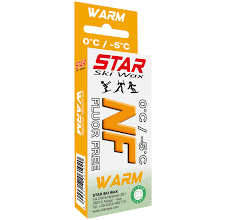
- hydrocarbon ski wax (non-fluorinated)
- The brand calls it PFAS-free, which we have not verified
- Volatile Organic Compounds (VOCs) and mineral oil vapor
3 hazards checked on this product, all on its full breakdown.
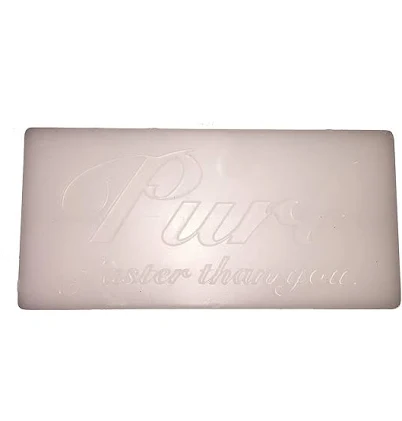
- hydrocarbon wax blend
- The brand calls it PFAS-free, which we have not verified
- Thermal degradation and fume emission
3 hazards checked on this product, all on its full breakdown.
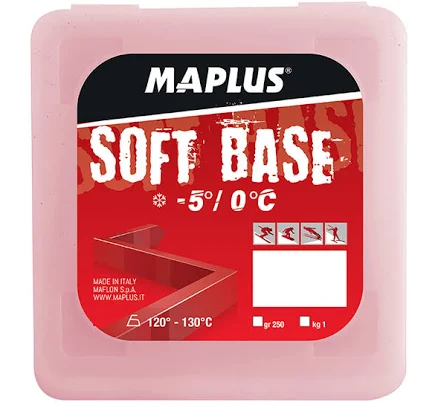
- Wax-based ski base, fluorine-free formulation
- The brand calls it PFAS-free, which we have not verified
- Inhalation of wax particulates and volatiles during application
More ski & sports wax grades
How we score, every product runs through the same public 0-100 rubric based on materials, coatings, brand disclosure, lab findings, and recalls. See the full methodology → Spotted a mistake? Report an error.