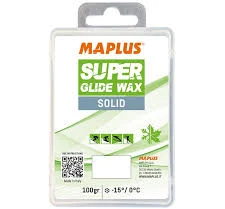
Super Glide Wax Solid
Lower concern, though the brand offers no transparency.
Wax solids rarely use PFAS by design. The brand discloses nothing about ingredients or PFAS treatment.
We flunk more products than we pass. This one earned its grade. How we grade
Material
Wax solid (presumed natural or refined paraffin/hydrocarbon)
Brand disclosure
Brand is silent on PFAS
Lab data
No public lab test
You may also be interested in
Top-graded picks in the categories readers replace first, every one scored on the same rubric.

- polypropylene filter housing, carbon/sediment cartridge
- We found no PFAS statement from the brand
- Bacterial growth in spent cartridges
3 hazards checked on this product, all on its full breakdown.

Aquasure
Premier Series 75 GPD Under Sink Reverse Osmosis Water Filtration System
- RO membrane, carbon filters, stainless steel housing
- We found no PFAS statement from the brand
- Bacterial and microbial growth in housing and filters
4 hazards checked on this product, all on its full breakdown.

Avocado
Vegan Mattress
- organic cotton, natural latex, coconut coir, recycled steel coils
- The brand calls it PFAS-free, which we have not verified
- Heavy metals
2 hazards checked on this product, all on its full breakdown.
What Super Glide Wax Solid is made of, ingredients and materials
Super Glide Wax Solid is a hydrocarbon-based ski wax, likely composed of refined paraffin, microcrystalline wax, or similar mineral waxes blended with minor additives for glide performance. Solid waxes in this category do not require solvents or fluorinated compounds for function, making them inherently lower-risk than liquid or spray formulations. The material is applied by friction (rubbing or hot-iron application) and remains on the ski base; skin and inhalation exposure is minimal under normal use.
What’s concerning
Category baseline
The starting point for this type of product, before anything specific to this product is counted.
No PFAS disclosure
No public statement from the brand about PFAS in this product.
Volatile organic compounds (VOC) during hot application
Heating paraffin wax on a ski iron can release minor volatile organic compounds, though solid waxes emit far less than liquid or paste formulations. Risk is negligible with short exposure in ventilated areas.
Inhalation of wax dust during scraping or grating
Mechanical breakdown of solid wax generates fine particles. Prolonged inhalation is unlikely to cause harm, but dust inhalation over years could theoretically irritate respiratory tissue; local ventilation is prudent.
What’s reassuring
Base material not linked to PFAS
The main material recorded for this product is not one associated with PFAS.
Skin irritation or sensitization from mineral oil derivatives
No cases of allergic reaction or dermatitis from solid wax are documented. Refined paraffin is non-irritating to intact skin; risk applies only if resin additives or degradation products contact broken skin.
Heavy metals
Ski wax solids are not typically tested for lead, cadmium, or arsenic. Standard mineral wax refining removes heavy metals; no known contamination in this product class.
Source, FDA ↗Degradation of wax consistency or rancidity over storage
Paraffin wax is chemically stable and resistant to oxidation. No shelf-life degradation or off-gassing is expected under normal storage conditions.
How is this PFAS grade calculated?
The brand's record and disclosure
The brand provides no publicly available material safety data sheet, ingredient transparency, or certifications for this product. No recalled batches, contamination incidents, or regulatory actions against ski wax are on record. The brand's silence on PFAS is not unusual for solid wax manufacturers and does not indicate hidden fluorination, as solid paraffin waxes are functionally unsuitable for PFAS incorporation.
How it compares in its category
Solid ski waxes have lower concern than paste or liquid formulations because they avoid the volatile organic compound and solvent-inhalation risks of those categories. Occupies the commodity mid-market segment alongside Swix and Toko solids. Premium brands sometimes offer organic or hydrocarbon-certified formulations, but hazard differences are negligible; all solid paraffin waxes pose similar low baseline risks.
If you buy it
Apply the wax in a well-ventilated space; though volatility is low, brief fume exposure from iron heating is possible. Replace when the base layer wears visibly thin or performance drops (typically after 3-5 ski days of regular use). Store in a cool, dry place away from direct sunlight to prevent separation or bloom. Avoid inhaling dust during scraping; use a bench vise or clamp to secure the ski.
What is not known about PFAS in this product?
- Basis
- Model estimate, 72% confidence, not a lab result
- Lab test
- None on record for this exact product
- Brand statement
- has made none
Formulations change between production runs, so check the current label. How we grade.
What are the PFAS-free alternatives to Super Glide Wax Solid?
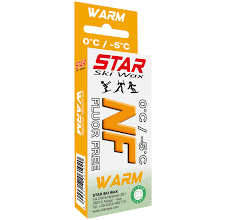
- hydrocarbon ski wax (non-fluorinated)
- The brand calls it PFAS-free, which we have not verified
- Volatile Organic Compounds (VOCs) and mineral oil vapor
3 hazards checked on this product, all on its full breakdown.
- hydrocarbon wax blend
- The brand calls it PFAS-free, which we have not verified
- Thermal degradation and fume emission
3 hazards checked on this product, all on its full breakdown.
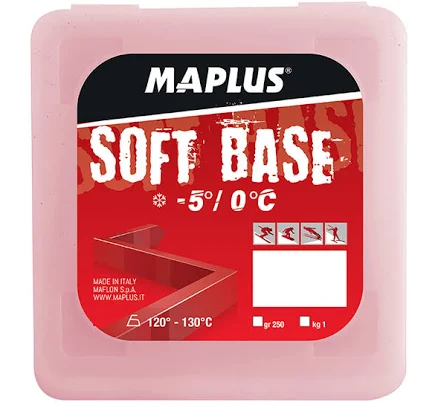
- Wax-based ski base, fluorine-free formulation
- The brand calls it PFAS-free, which we have not verified
- Inhalation of wax particulates and volatiles during application
More ski & sports wax grades
How we score, every product runs through the same public 0-100 rubric based on materials, coatings, brand disclosure, lab findings, and recalls. See the full methodology → Spotted a mistake? Report an error.