Driclor Antiperspirant Roll On Applicator 20 ml, Strong Antiperspirant for Excessive Sweating vs Baking Soda Free Deodorant: which is safer?
Primally Pure Baking Soda Free Deodorant is our pick, better on PFAS and on the overall hazard picture.
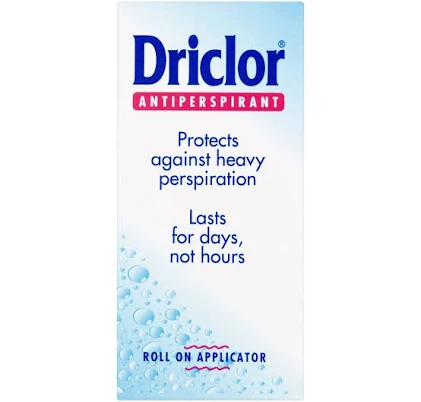
Antiperspirant Driclor
Driclor Antiperspirant Roll On Applicator 20 ml, Strong Antiperspirant for Excessive Sweating
PFAS grade
Excellent 75/100
Overall grade
Poor 49/100
Verdict
Buy with care
Hazard flags
⚑ 3
Material
Aluminum chloride hexahydrate solution in roll-on applicator base
Confidence
72%
PossibleAluminum absorption and systemic accumulation
LikelyContact dermatitis and skin irritation
PossibleMicrobial contamination in roll-on tip
Our pick
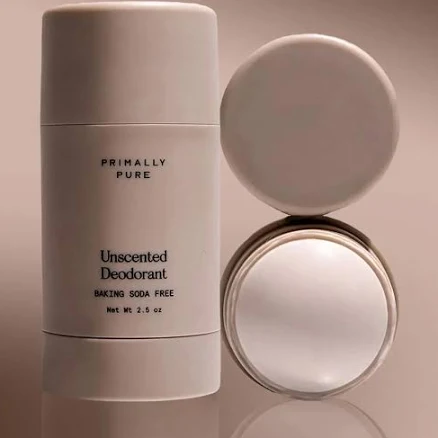
Primally Pure
Baking Soda Free Deodorant
PFAS grade
Excellent 100/100
Overall grade
Excellent 96/100
Verdict
Buy
Hazard flags
⚑ 1
Material
mineral-based powder blend (arrowroot, magnesium hydroxide, mica)
Confidence
82%
PossibleSkin irritation from magnesium hydroxide alkalinity
Where these two actually differ
- We flag Aluminum absorption and systemic accumulation, Contact dermatitis and skin irritation and Microbial contamination in roll-on tip on the Antiperspirant Driclor and not on the Primally Pure.
- We flag Skin irritation from magnesium hydroxide alkalinity on the Primally Pure and not on the Antiperspirant Driclor.
- The Antiperspirant Driclor is Aluminum chloride hexahydrate solution in roll-on applicator base where the Primally Pure is mineral-based powder blend (arrowroot, magnesium hydroxide, mica), which is most of the difference in these two grades.
- The gap is 25 points, wide enough that this is not a close call, and the Primally Pure is the one to buy.
Both products run through the same public rubric, which covers materials, coatings, brand disclosure, lab findings, and recalls, plus a beyond-PFAS hazard analysis. Grades are model-based estimates, not lab tests. How grades work →
More deodorant, see the full ranking