Antiperspirant Driclor · Deodorant
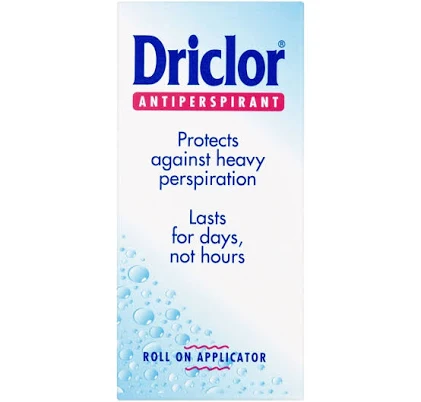
Driclor Antiperspirant Roll On Applicator 20 ml, Strong Antiperspirant for Excessive Sweating
Lower concern, typical antiperspirant without known PFAS triggers.
This aluminum chloride hexahydrate solution lacks disclosed waterproofing, water-repellent coating coatings, or fluorinated ingredients. The formulation has no typical PFAS-risk markers.
We flunk more products than we pass. This one earned its grade. How we grade
Material
Aluminum chloride hexahydrate solution in roll-on applicator base
Brand disclosure
Brand is silent on PFAS
Lab data
No public lab test
You may also be interested in
Top-graded picks in the categories readers replace first, every one scored on the same rubric.

- polypropylene filter housing, carbon/sediment cartridge
- We found no PFAS statement from the brand
- Bacterial growth in spent cartridges
3 hazards checked on this product, all on its full breakdown.

Aquasure
Premier Series 75 GPD Under Sink Reverse Osmosis Water Filtration System
- RO membrane, carbon filters, stainless steel housing
- We found no PFAS statement from the brand
- Bacterial and microbial growth in housing and filters
4 hazards checked on this product, all on its full breakdown.

Avocado
Vegan Mattress
- organic cotton, natural latex, coconut coir, recycled steel coils
- The brand calls it PFAS-free, which we have not verified
- Heavy metals
2 hazards checked on this product, all on its full breakdown.
What Driclor Antiperspirant Roll Sweating is made of, ingredients and materials
Driclor's active ingredient is aluminum chloride hexahydrate, a salt solution that works by forming a plug in sweat ducts rather than blocking them systemically like broader-spectrum antiperspirants. This formulation is stronger than standard consumer antiperspirants (typically 15-20% aluminum compounds vs Driclor's higher concentration aimed at hyperhidrosis). The roll-on applicator base contains water, glycerin, and stabilizers; these are low-hazard vehicles but the high aluminum concentration and acidic pH (needed for efficacy) can trigger dermatitis in sensitive skin with repeated or prolonged contact.
What’s concerning
Category baseline
The starting point for this type of product, before anything specific to this product is counted.
No PFAS disclosure
No public statement from the brand about PFAS in this product.
Aluminum absorption and systemic accumulation
Aluminum chloride penetrates skin more deeply than other aluminum salts due to its high concentration and acidic formulation. Long-term daily use on large surface areas could theoretically increase systemic aluminum load, though no clinical evidence of harm from antiperspirant use alone exists in peer-reviewed literature; persons with kidney disease or aluminum sensitivity should consult a physici
Contact dermatitis and skin irritation
Microbial contamination in roll-on tip
Roll-on applicators can harbor bacteria or fungi if the bottle tip is not kept clean and dry between applications, particularly in warm or humid environments. This is a maintenance issue rather than a manufacturing defect but warrants user awareness.
What’s reassuring
Base material not linked to PFAS
The main material recorded for this product is not one associated with PFAS.
Formaldehyde / VOCs
No formaldehyde releasers or formaldehyde-releasing preservatives are listed or known to be present in Driclor's documented formulation. Standard cosmetic preservatives used are not identified on publicly available labels.
Source, ATSDR ↗Fragrance allergens
Driclor is typically unscented or lightly scented; fragrance allergen load is not a documented concern. Individual sensitivity to any fragrance component is possible but not a category-level risk for this product.
How is this PFAS grade calculated?
The brand's record and disclosure
Driclor is a specialty medical-grade antiperspirant brand with a long history in the hyperhidrosis market and no documented recalls or major safety controversies on public record. The brand does not publish detailed ingredient disclosures or third-party certifications beyond standard regulatory compliance. No formal stance on PFAS or other emerging contaminants has been publicly stated; the product relies on regulatory approval (e.g., UK/EU) as its primary safety credential.
How it compares in its category
Driclor sits at the higher end of antiperspirant strength, positioned as a clinical option for excessive sweating rather than a cosmetic deodorant. Most over-the-counter antiperspirants are gentler formulations (12-15% aluminum) and include additional dermatological agents; Driclor's higher concentration and acidic pH make it more irritating but also more effective for severe cases. Users typically transition to it after standard antiperspirants fail, meaning skin compatibility is a practical prerequisite.
If you buy it
Apply only to clean, dry skin and allow to dry fully before dressing to minimize skin contact and irritation. Use as directed (usually nightly on problem areas); overuse or daily application without breaks increases risk of dermatitis. If rash, burning, or persistent irritation develops, discontinue and consult a dermatologist; some users require alternating brands to prevent tolerance or sensitivity. Keep the roll-on applicator clean and dry between uses to prevent bacterial or fungal growth in the bottle tip.
What is not known about PFAS in this product?
- Basis
- Model estimate, 72% confidence, not a lab result
- Lab test
- None on record for this exact product
- Brand statement
- Antiperspirant Driclor has made none
Formulations change between production runs, so check the current label. How we grade.
What are the PFAS-free alternatives to Driclor Antiperspirant Roll On Applicator 20 ml, Strong Antiperspirant for Excessive Sweating?
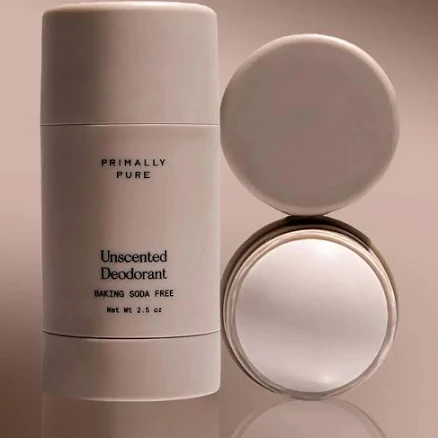
- mineral-based powder blend (arrowroot, magnesium hydroxide, mica)
- We found no PFAS statement from the brand
- Skin irritation from magnesium hydroxide alkalinity
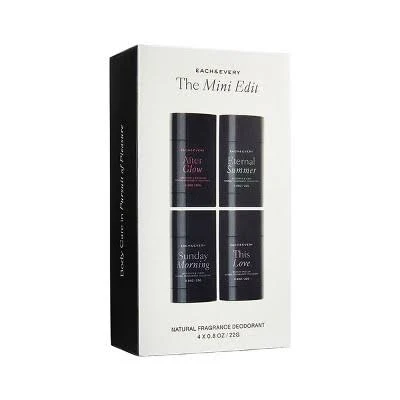
- cosmetic formulations, primary ingredients listed
- A third party reports verifying it as PFAS-free
- Fragrance allergens (natural essential oils)
2 hazards checked on this product, all on its full breakdown.
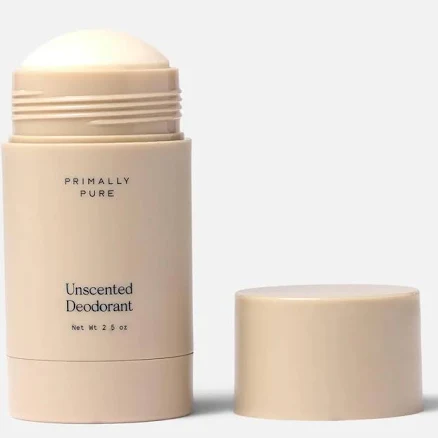
- natural mineral powders, plant-based actives, beeswax
- We found no PFAS statement from the brand
- Beeswax purity and contamination
2 hazards checked on this product, all on its full breakdown.
More deodorant grades
How we score, every product runs through the same public 0-100 rubric based on materials, coatings, brand disclosure, lab findings, and recalls. See the full methodology → Spotted a mistake? Report an error.