Dish Soap – Apricot vs Dish Soap, Sweet Water: which is safer?
ECOS Dish Soap – Apricot is our pick, better on PFAS and on the overall hazard picture.
Our pick
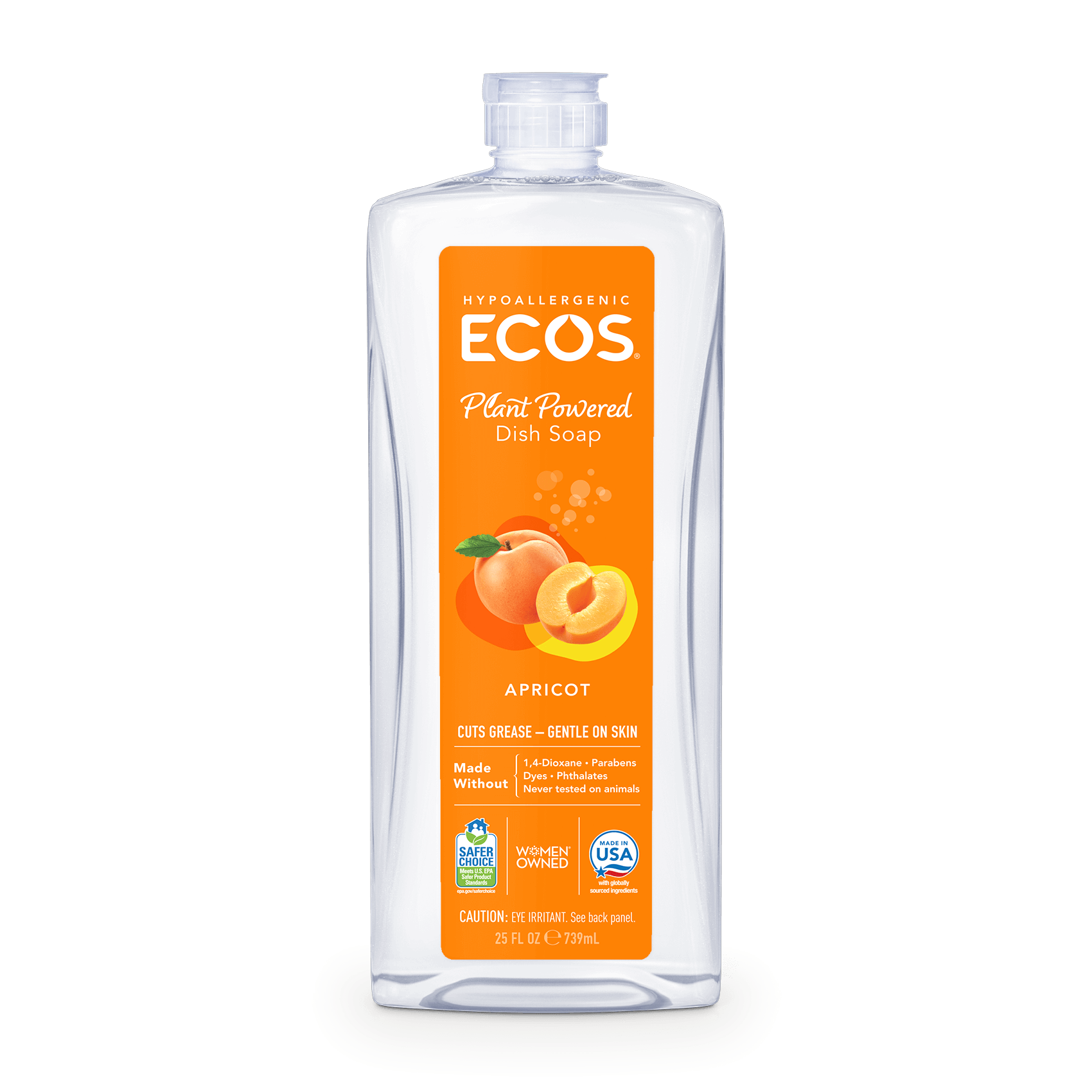
Ecos
Dish Soap – Apricot
PFAS grade
Overall grade
Verdict
Hazard flags
Material
Confidence
PossibleFragrance allergens (botanical origin)
PossibleSkin irritation from surfactant residue
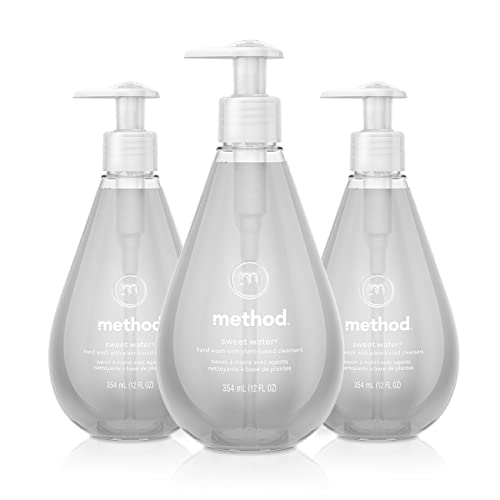
Method
Dish Soap, Sweet Water
PFAS grade
Overall grade
Verdict
Hazard flags
Material
Confidence
PossibleFragrance allergens (Sweet Water scent profile)
PossibleSkin irritation from surfactants (residual or concentrated exposure)
Possible1,4-dioxane contamination (byproduct of surfactant synthesis)
Where these two actually differ
- We flag Fragrance allergens (botanical origin) and Skin irritation from surfactant residue on the Ecos and not on the Method.
- We flag Fragrance allergens (Sweet Water scent profile), Skin irritation from surfactants (residual or concentrated exposure), 1,4-dioxane contamination (byproduct of surfactant synthesis) and Aquatic toxicity (environmental hazard, not consumer safety) on the Method and not on the Ecos.
- The Ecos is plant-derived surfactants, water, botanical extracts where the Method is water-based surfactants, plant-derived ingredients, which is most of the difference in these two grades.
Both products run through the same public rubric, which covers materials, coatings, brand disclosure, lab findings, and recalls, plus a beyond-PFAS hazard analysis. Grades are model-based estimates, not lab tests. How grades work →
More dish soap, see the full ranking