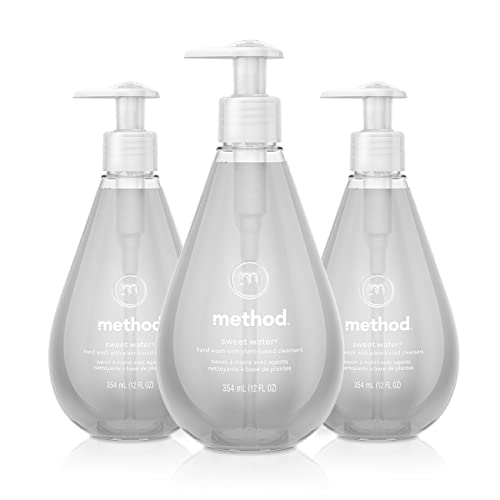
Method Dish Soap, Sweet Water
Lower concern; liquid soap unlikely to contain PFAS. No verification needed.
Method dish soap is a liquid detergent with plant-derived surfactants. PFAS are not typically used in liquid soaps, making this product lower concern for forever chemicals.
We flunk more products than we pass. This one earned its grade. How we grade
Material
water-based surfactants, plant-derived ingredients
Lab data
No public lab test
You may also be interested in
Top-graded picks in the categories readers replace first, every one scored on the same rubric.

- polypropylene filter housing, carbon/sediment cartridge
- We found no PFAS statement from the brand
- Bacterial growth in spent cartridges
3 hazards checked on this product, all on its full breakdown.

Aquasure
Premier Series 75 GPD Under Sink Reverse Osmosis Water Filtration System
- RO membrane, carbon filters, stainless steel housing
- We found no PFAS statement from the brand
- Bacterial and microbial growth in housing and filters
4 hazards checked on this product, all on its full breakdown.

Avocado
Vegan Mattress
- organic cotton, natural latex, coconut coir, recycled steel coils
- The brand calls it PFAS-free, which we have not verified
- Heavy metals
2 hazards checked on this product, all on its full breakdown.
What Method Dish Soap, Sweet Water is made of, ingredients and materials
Method Sweet Water Dish Soap is formulated as a water-based liquid surfactant product with plant-derived cleaning agents, rather than petroleum-derived or synthetic alternatives. Liquid soaps of this type do not require the coatings, enamels, or polymeric structures that introduce leaching or degradation hazards common in cookware or food storage. The aqueous base and declared plant ingredients mean no volatile organic compounds (VOCs) are released during normal use or storage, unlike solvent-based cleaners or aerosol products.
What’s concerning
Category baseline
The starting point for this type of product, before anything specific to this product is counted.
No PFAS disclosure
No public statement from the brand about PFAS in this product.
Fragrance allergens (Sweet Water scent profile)
Method products contain fragrance blends; 'Sweet Water' likely includes synthetic or natural fragrance compounds. Fragrance is not itemized on most dish soap labels, and some individuals report contact dermatitis or respiratory sensitivity to fragrant cleaners, though incidence is low for rinsed-off products.
Skin irritation from surfactants (residual or concentrated exposure)
Plant-derived surfactants can still cause irritation with prolonged skin contact or in sensitive individuals; dish soaps are formulated to be mild but are not intended for regular hand immersion without gloves.
1,4-dioxane contamination (byproduct of surfactant synthesis)
Some surfactant manufacturing processes can introduce trace 1,4-dioxane as a byproduct. Method does not publish analytical data confirming absence; however, this is a concern for the ingredient supplier, not brand-specific formulation, and levels in rinsed-off products are not established as a health risk.
Aquatic toxicity (environmental hazard, not consumer safety)
Surfactants are toxic to aquatic organisms; Method products are intended for rinse-off use and enter wastewater. This is an environmental concern, not a direct consumer hazard, but relevant to product selection for eco-conscious buyers.
What’s reassuring
Base material not linked to PFAS
The main material recorded for this product is not one associated with PFAS.
Heavy metals
No recalls or public data link Method dish soaps to heavy metal contamination. Plant-derived colorants are generally lower-risk than synthetic azo dyes, but no third-party testing of this specific product is on record.
Source, FDA ↗How is this PFAS grade calculated?
The brand's record and disclosure
Method is known for transparent ingredient labeling and has marketed products under sustainability and safety positioning for over two decades. The brand does not claim organic or certification by third-party toxicology bodies (e.g., EPA Safer Choice, EWG Verified), but provides ingredient lists openly on packaging and website. No major product recalls or substantiated safety controversies have been documented for Method dish soaps in public regulatory records. The company's PFAS stance is not publicly detailed, though liquid soap formulations are inherently unlikely to require fluorinated additives.
How it compares in its category
Dish soaps as a category present lower hazard exposure than cookware, textiles, or personal care products because they are rinsed completely from dishware and do not accumulate in the body. Method's plant-derived formulation positions it as a mid-market alternative to conventional petroleum-based soaps (e.g., Dawn) and to certified eco-label products (e.g., Ecos, Seventh Generation). Most liquid dish soaps on record do not report heavy metals, formaldehyde releasers, or phthalate content; method aligns with this norm.
If you buy it
Store in a cool, dry place away from direct sunlight to preserve surfactant stability; no refrigeration or special handling is required. Rinse dishes thoroughly after washing to remove all soap residue, though residual levels are not a health concern for typical use. The product is designed for hand or machine dishwashing; do not ingest or apply to skin for extended periods. No replacement or maintenance schedule applies; use until empty and recycle the bottle per local guidelines.
What is not known about PFAS in this product?
- Basis
- Model estimate, 78% confidence, not a lab result
- Lab test
- None on record for this exact product
- Brand statement
- Method has made a specific claim
Formulations change between production runs, so check the current label. How we grade.
What are the PFAS-free alternatives to Method Dish Soap, Sweet Water?
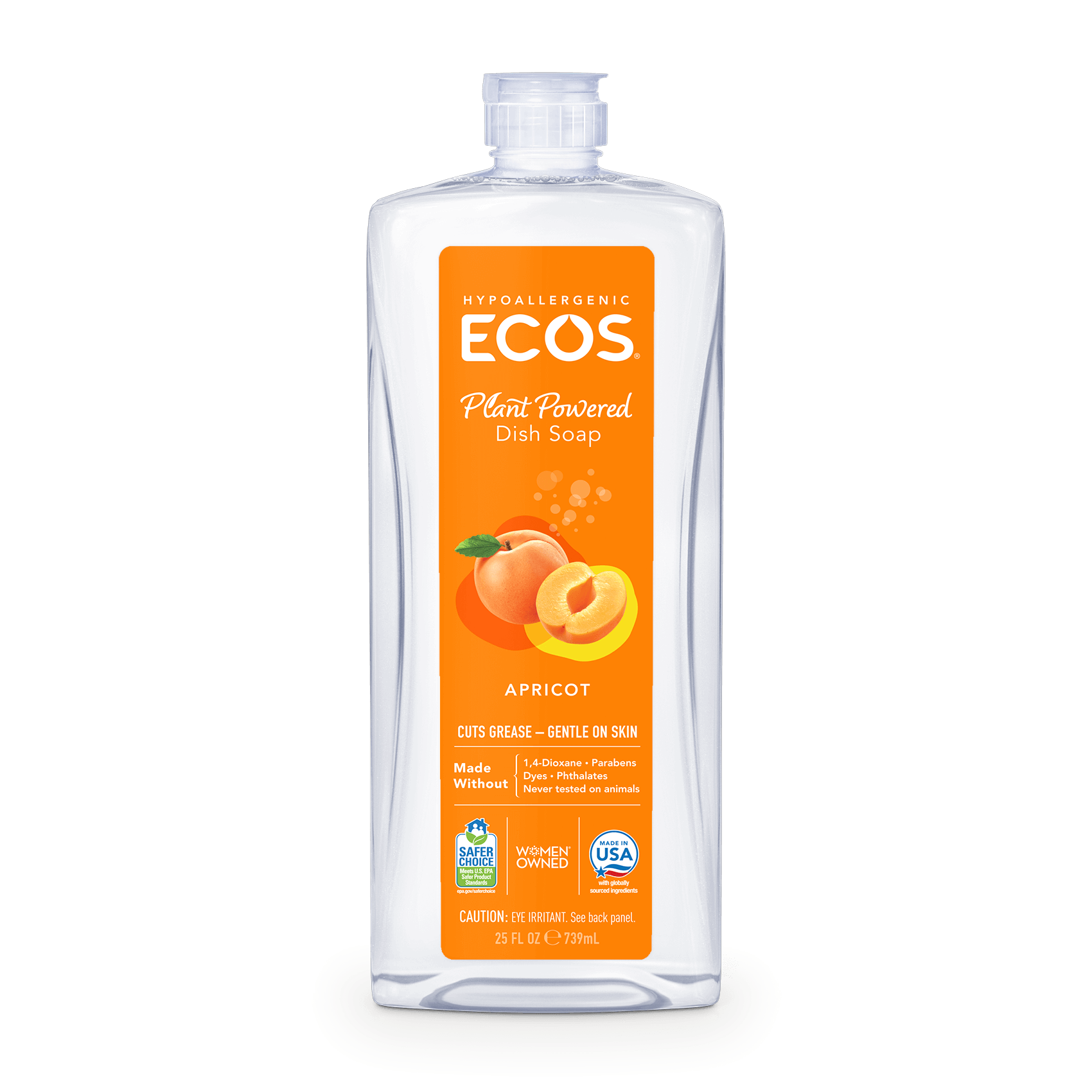
- plant-derived surfactants, water, botanical extracts
- A third party reports verifying it as PFAS-free
- Fragrance allergens (botanical origin)
2 hazards checked on this product, all on its full breakdown.
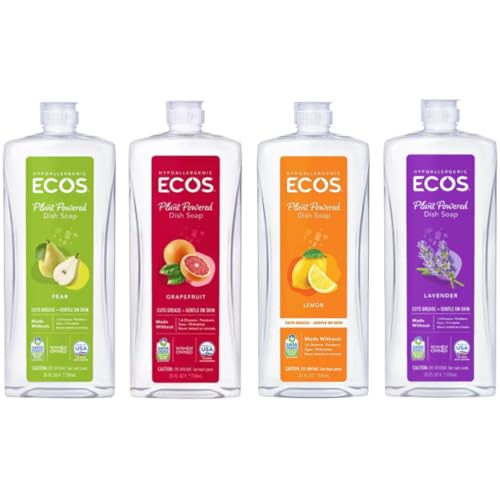
- plant-based surfactants, water, plant derivatives
- A third party reports verifying it as PFAS-free
- Aquatic toxicity from surfactants
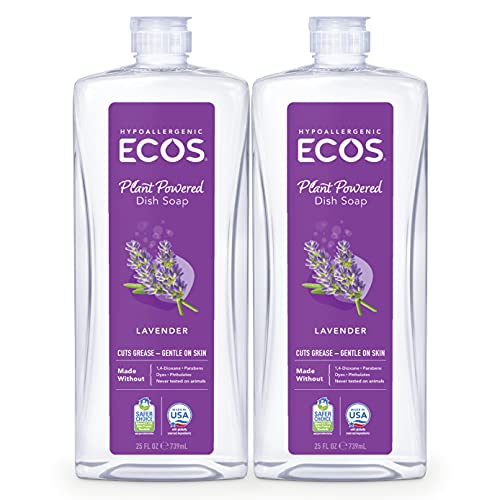
- Plant-based surfactants, water, essential oil
- The brand calls it PFAS-free, which we have not verified
- Fragrance allergens (essential oil)
2 hazards checked on this product, all on its full breakdown.
More dish soap grades
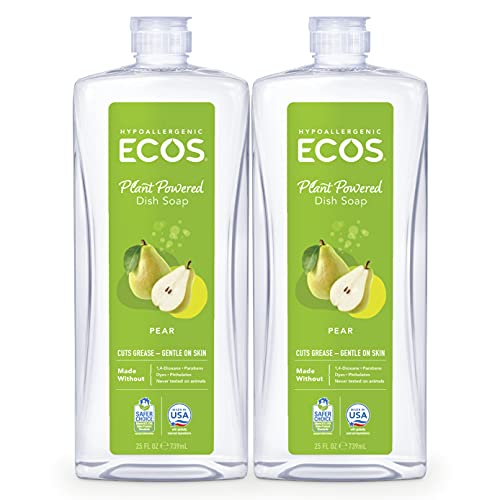 100ECOS Dish Soap – Pear
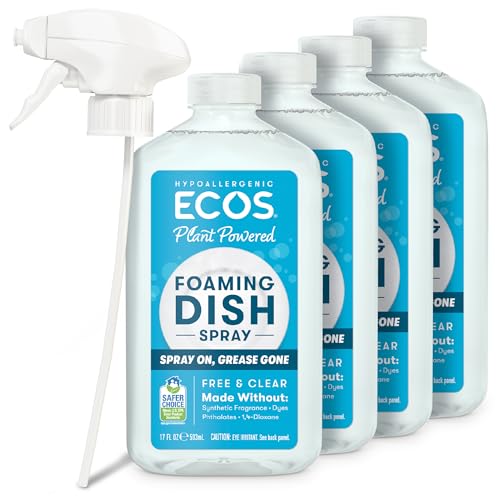 100ECOS Foaming Dish Soap – Free & Clear
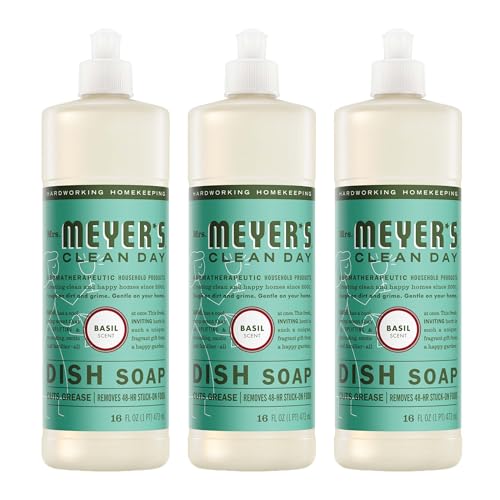 100Mrs. Meyer's Clean Day Basil Dish Soap
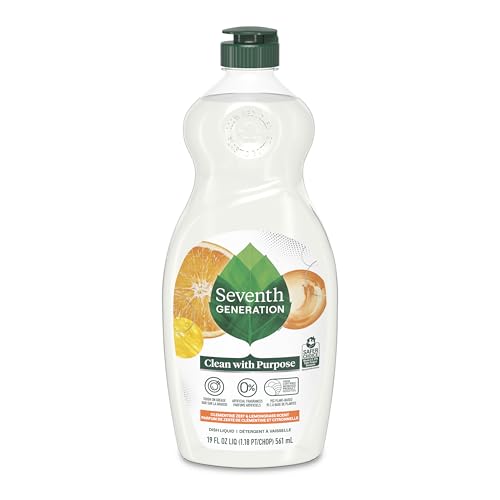 100Seventh Generation Dish Soap - Clementine Zest & Lemongrass
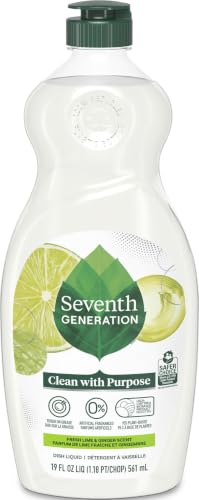 100Seventh Generation Dish Soap - Fresh Lime & Ginger
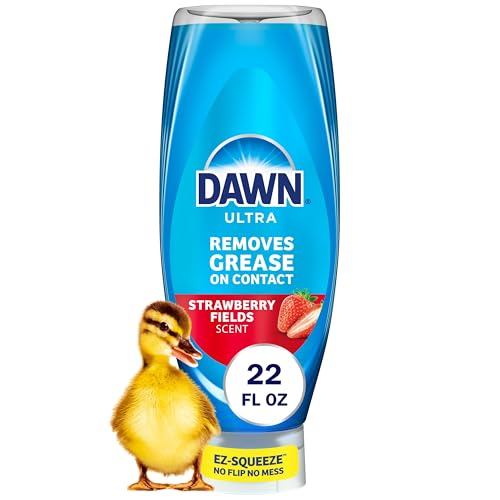 85Dawn Ultra Strawberry Fields
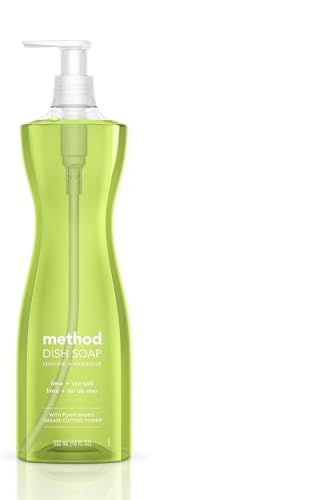 85Method Gel Dish Soap, Lime + Sea Salt
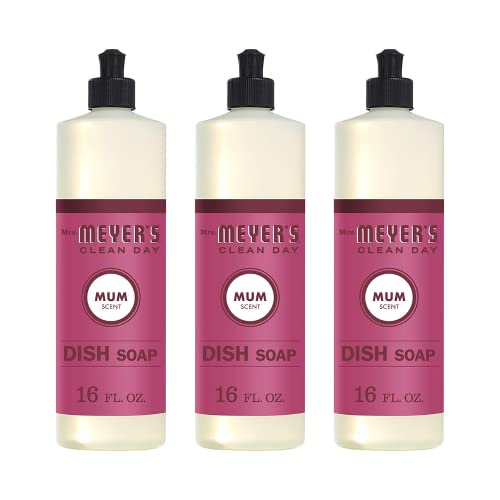 85Mrs. Meyer's Clean Day Mum Dish Soap
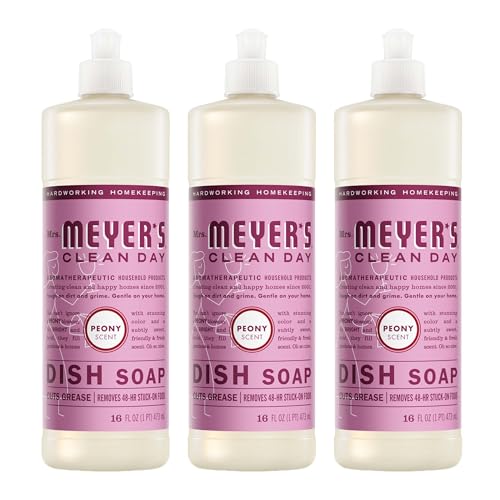 85Mrs. Meyer's Clean Day Peony Dish Soap
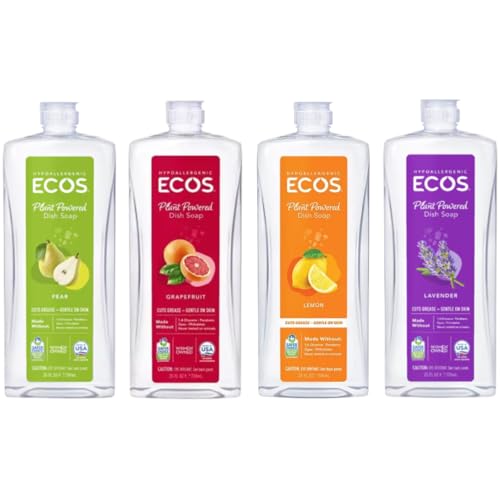 85ECOS Dish Soap – GrapefruitCompare vs Ecos →All dish soap →
How we score, every product runs through the same public 0-100 rubric based on materials, coatings, brand disclosure, lab findings, and recalls. See the full methodology → Spotted a mistake? Report an error.