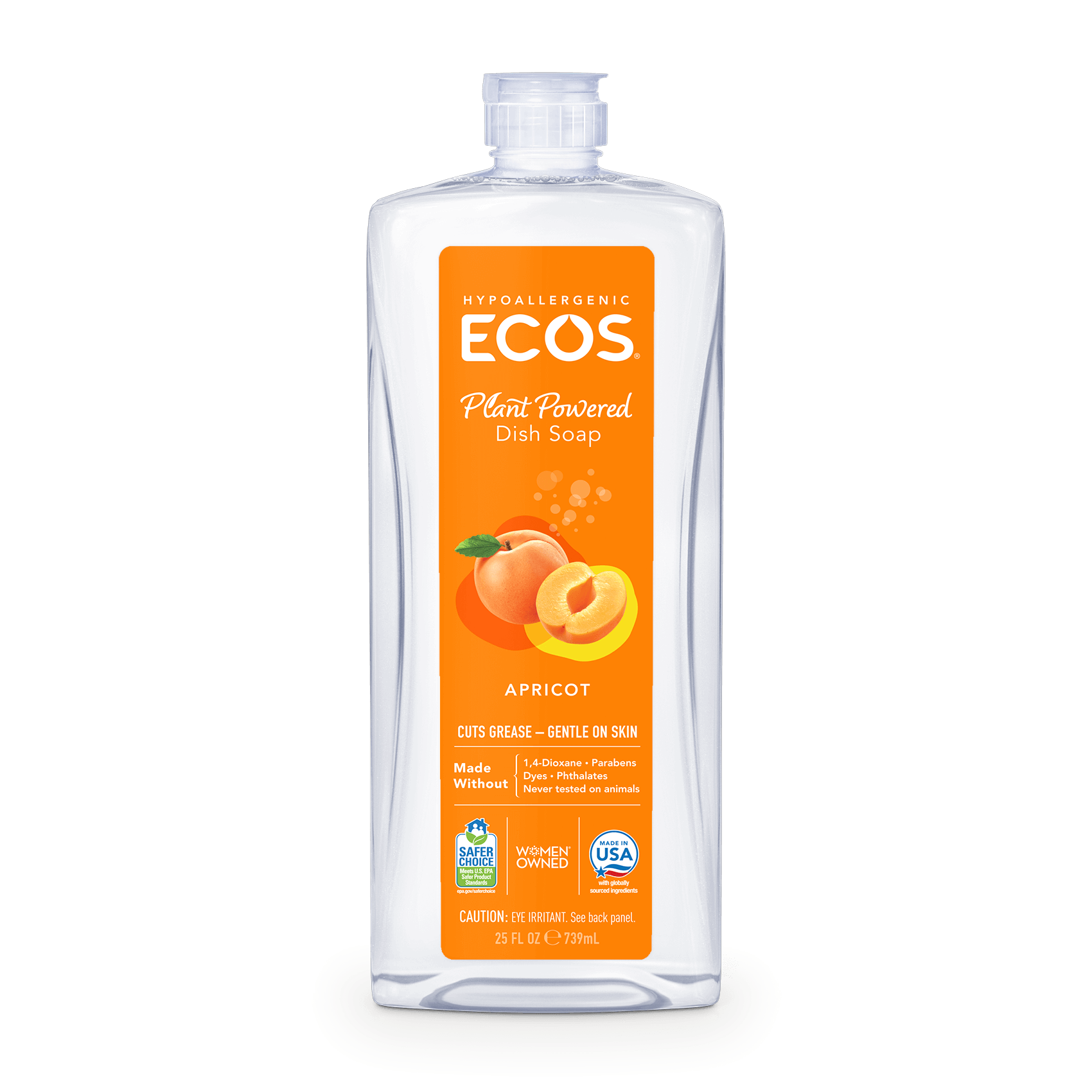
ECOS Dish Soap – Apricot
Low PFAS risk; third-party verified, no PFAS detected in testing.
ECOS Apricot Dish Soap is formulated without PFAS and holds MADE SAFE and EWG Verified certifications. Third-party lab testing confirms no PFAS detected; plant-based formula poses lower concern.
Brand says: “ECOS products are made without PFAS and hold third-party certifications including MADE SAFE and EWG Verified”
We flunk more products than we pass. This one earned its grade. How we grade
Material
plant-derived surfactants, water, botanical extracts
Brand disclosure
Third-party verified PFAS-free
Lab data
No PFAS found in testing
You may also be interested in
Top-graded picks in the categories readers replace first, every one scored on the same rubric.

- polypropylene filter housing, carbon/sediment cartridge
- We found no PFAS statement from the brand
- Bacterial growth in spent cartridges
3 hazards checked on this product, all on its full breakdown.

Aquasure
Premier Series 75 GPD Under Sink Reverse Osmosis Water Filtration System
- RO membrane, carbon filters, stainless steel housing
- We found no PFAS statement from the brand
- Bacterial and microbial growth in housing and filters
4 hazards checked on this product, all on its full breakdown.

Avocado
Vegan Mattress
- organic cotton, natural latex, coconut coir, recycled steel coils
- The brand calls it PFAS-free, which we have not verified
- Heavy metals
2 hazards checked on this product, all on its full breakdown.
What ECOS Dish Soap – Apricot is made of, ingredients and materials
ECOS Apricot Dish Soap is formulated with plant-derived surfactants (coconut and palm oil based) rather than petroleum-based detergents, reducing persistent synthetic chemical accumulation in wastewater and aquatic ecosystems. The product contains water, botanical extracts (apricot), and does not rely on synthetic dyes or heavy-duty chemical preservatives typical of conventional dish soaps. Plant-derived surfactants are biodegradable and break down more readily in treatment plants, though surfactant residue itself still warrants proper water-treatment practices.
What’s concerning
Category baseline
The starting point for this type of product, before anything specific to this product is counted.
Fragrance allergens (botanical origin)
Natural apricot fragrance may provoke contact dermatitis or allergic reaction in individuals sensitive to stone-fruit compounds or tree-nut cross-reactivity; risk is low in general population but notable for atopic individuals.
Skin irritation from surfactant residue
Plant-derived surfactants are gentler than conventional types but can still cause mild irritation or dryness with repeated direct contact or inadequate rinsing; risk is lower than synthetic alternatives but individual sensitivity varies.
What’s reassuring
Base material not linked to PFAS
The main material recorded for this product is not one associated with PFAS.
Third-party PFAS-free verification
A third party reports verifying this product as PFAS-free.
No PFAS found in lab test
No PFAS detected in independent testing.
1,4-dioxane (synthetic contaminant in surfactant processing)
No testing or reports of 1,4-dioxane contamination in ECOS Apricot on public record; EPA Safer Choice verification typically screens for this residual impurity in surfactants.
Heavy metals
Apricot and plant extracts can accumulate cadmium and lead if sourced from contaminated soil; ECOS discloses no heavy-metal testing results, but no contamination reports exist for this product.
Source, FDA ↗Formaldehyde / VOCs
ECOS does not list formaldehyde-releasing preservatives (e.g., DMDM hydantoin, diazolidinyl urea) in disclosed ingredients; product formulation avoids this hazard class.
Source, ATSDR ↗How is this PFAS grade calculated?
The brand's record and disclosure
ECOS (Earth Friendly Products) maintains third-party verification for PFAS absence and publishes ingredient lists transparently. The brand is certified by the EPA Safer Choice program, which requires comprehensive hazard review and disclosure. No established recalls, safety complaints, or regulatory violations are on record for this product line. The company's public stance emphasizes plant-derived and biodegradable formulations as core to its safety and environmental positioning.
How it compares in its category
ECOS Apricot sits in the plant-derived, eco-certified segment of dish soaps, alongside brands like Seventh Generation and Ecos own line. Conventional dish soaps often contain synthetic fragrances, preservatives, and surfactants with higher aquatic toxicity and slower biodegradation. ECOS avoids most synthetic dyes and antimicrobial additives found in antibacterial variants, reducing chemical load per use. Price is typically higher than mass-market alternatives, reflecting the cost of certified plant-derived inputs.
If you buy it
Use as a standard dish soap; no special heat or storage limits apply beyond keeping it cool and sealed to preserve botanical extract potency. Dilute if desired to extend product life and reduce packaging waste. The botanical fragrance (apricot) is derived from natural sources but may trigger contact sensitivity in individuals with tree-nut or fruit allergies. Standard hand-washing with water is sufficient; no special rinsing protocol is needed beyond normal rinsing of dishes.
What is not known about PFAS in this product?
- Basis
- Model estimate, 92% confidence, not a lab result
- Lab test
- Independent test found none
- Brand statement
- Ecos has made a specific claim
Formulations change between production runs, so check the current label. How we grade.
More dish soap grades
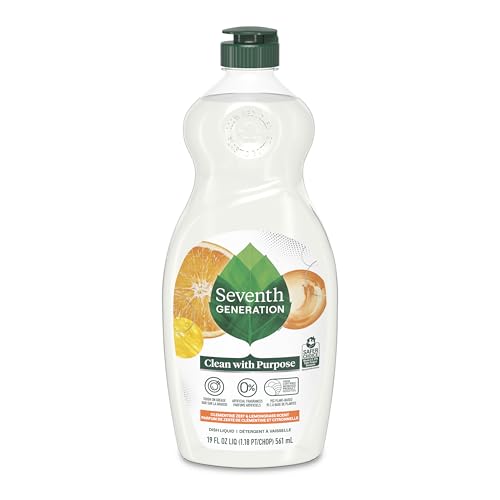 100Seventh Generation Dish Soap - Clementine Zest & Lemongrass
 100Seventh Generation Dish Soap - Fresh Lime & Ginger
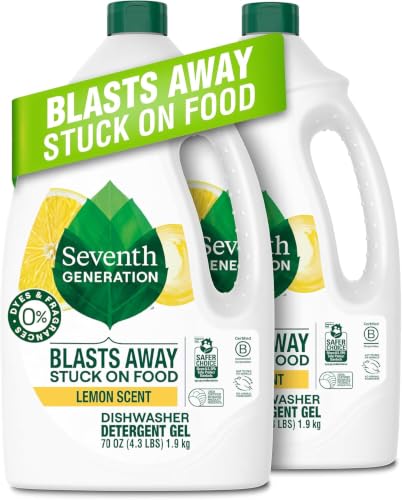 100Seventh Generation Dish Soap - Lemon
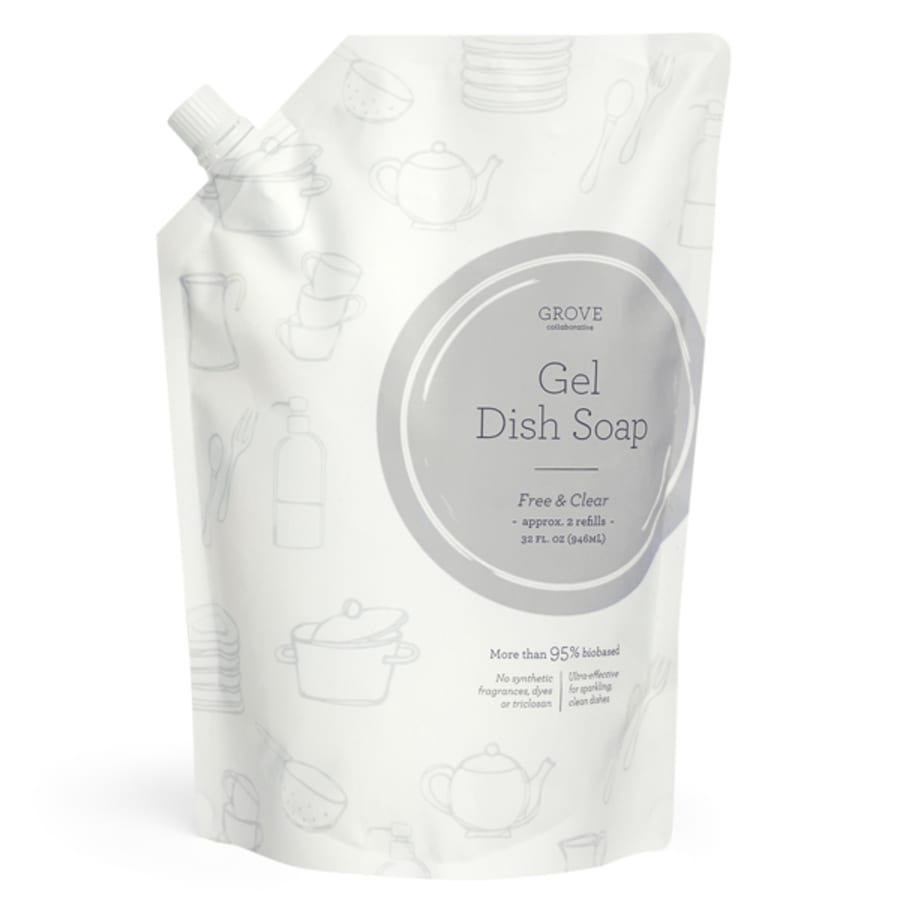 100Dish Soap
 100Method Dish Soap, Lemongrass
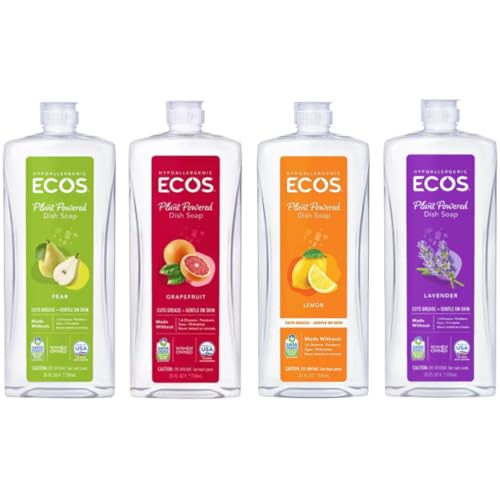 100ECOS Dish Soap – Free & Clear
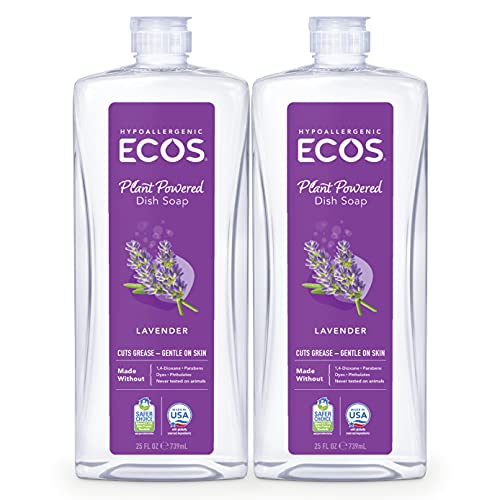 100ECOS Dish Soap – Lavender
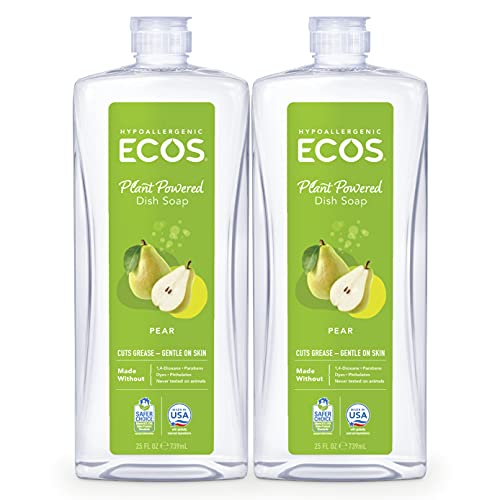 100ECOS Dish Soap – Pear
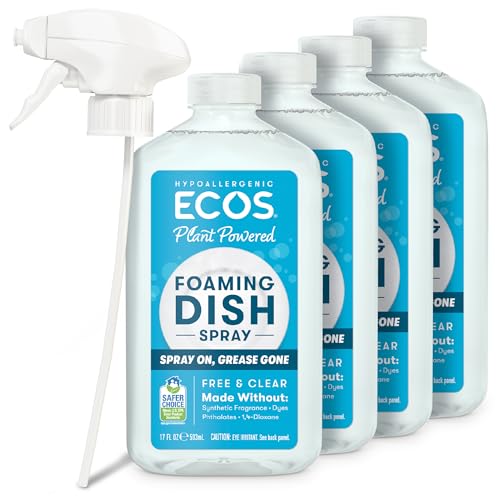 100ECOS Foaming Dish Soap – Free & Clear
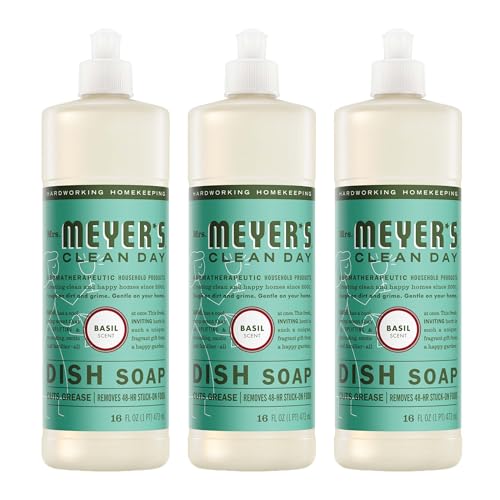 100Mrs. Meyer's Clean Day Basil Dish SoapAll dish soap →
How we score, every product runs through the same public 0-100 rubric based on materials, coatings, brand disclosure, lab findings, and recalls. See the full methodology → Spotted a mistake? Report an error.