Basecoat & Sealer Nail Polish vs Nail Polish Sally Hansen Miracle Gel: which is safer?
Piggy Paint Basecoat & Sealer Nail Polish is our pick, better on PFAS and on the overall hazard picture.
Our pick
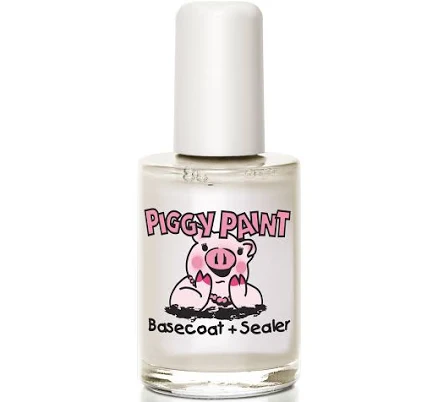
Piggy Paint
Basecoat & Sealer Nail Polish
PFAS grade
Overall grade
Verdict
Hazard flags
Material
Confidence
PossibleHeavy metals in organic pigments
ReportedVolatile organic compounds (VOCs) from solvents
PossibleBacterial or fungal growth in water-based formula
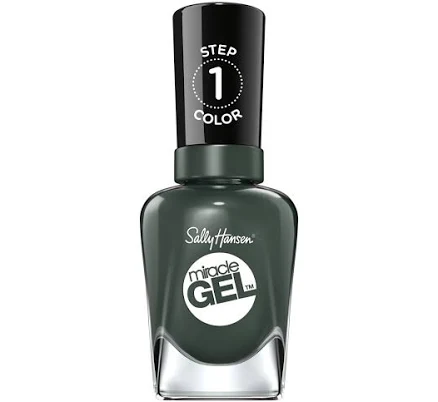
Sally Hansen
Nail Polish Sally Hansen Miracle Gel
PFAS grade
Overall grade
Verdict
Hazard flags
Material
Confidence
PossiblePhthalate plasticizers (likely dibutyl phthalate or regulated alternatives)
ReportedVolatile organic compounds (VOCs) and formaldehyde resins
PossibleUV/LED curing photochemical exposure
Where these two actually differ
- We flag Heavy metals in organic pigments, Volatile organic compounds (VOCs) from solvents and Bacterial or fungal growth in water-based formula on the Piggy Paint and not on the Sally Hansen.
- We flag Phthalate plasticizers (likely dibutyl phthalate or regulated alternatives), Volatile organic compounds (VOCs) and formaldehyde resins, UV/LED curing photochemical exposure and Acetone exposure during removal on the Sally Hansen and not on the Piggy Paint.
- The Piggy Paint is Water-based organic pigments and plant-derived resins where the Sally Hansen is nitrocellulose, plasticizers, resins (typical nail polish formulation), which is most of the difference in these two grades.
- The gap is 25 points, wide enough that this is not a close call, and the Piggy Paint is the one to buy.
- We are less certain about the Sally Hansen grade, at 45% confidence against 82%, because it discloses less.
Both products run through the same public rubric, which covers materials, coatings, brand disclosure, lab findings, and recalls, plus a beyond-PFAS hazard analysis. Grades are model-based estimates, not lab tests. How grades work →
More nail polish & top coat, see the full ranking