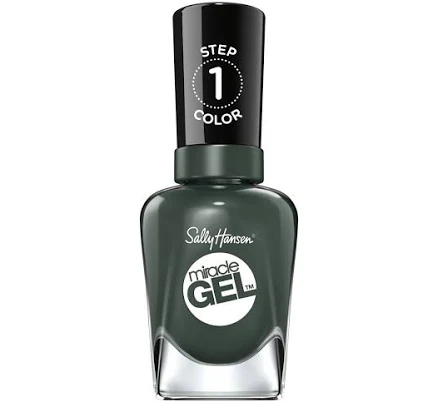
Sally Hansen · Nail Polish & Top Coat
Nail Polish Sally Hansen Miracle Gel, Is It Non-Toxic?
Insufficient data; typical nail polish PFAS risk unclear without disclosure.
Sally Hansen doesn't publicly state PFAS content or make PFAS-free claims. Nail polish lacquers use nitrocellulose and resins that may include PFAS-based additives, but transparency is absent.
The better-graded swap
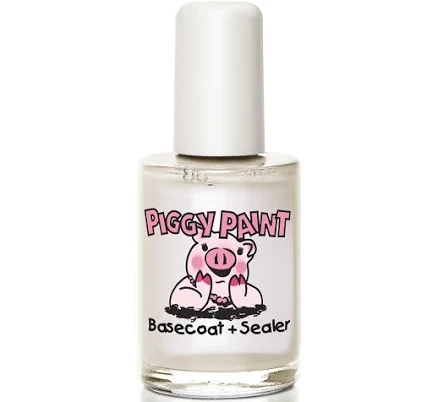
Piggy Paint
Piggy Paint Basecoat & Sealer Nail Polish
100/100 safety
Same rubric that flunked this product. The swap earned Excellent.
Still want this one anyway? Check the price on Amazon. We’d swap it.
Material
nitrocellulose, plasticizers, resins (typical nail polish formulation)
Brand disclosure
Brand is silent on PFAS
Lab data
No public lab test
You may also be interested in
Top-graded picks in the categories readers replace first, every one scored on the same rubric.

- polypropylene filter housing, carbon/sediment cartridge
- We found no PFAS statement from the brand
- Bacterial growth in spent cartridges
3 hazards checked on this product, all on its full breakdown.

Aquasure
Premier Series 75 GPD Under Sink Reverse Osmosis Water Filtration System
- RO membrane, carbon filters, stainless steel housing
- We found no PFAS statement from the brand
- Bacterial and microbial growth in housing and filters
4 hazards checked on this product, all on its full breakdown.

Avocado
Vegan Mattress
- organic cotton, natural latex, coconut coir, recycled steel coils
- The brand calls it PFAS-free, which we have not verified
- Heavy metals
2 hazards checked on this product, all on its full breakdown.
Is Nail Polish Sally Hansen Miracle Gel non-toxic? What it is made of
Miracle Gel is a hybrid gel-polish combining nitrocellulose (film former), plasticizers (typically dibutyl phthalate or alternatives in recent formulations), and oligomeric resins, plus UV-reactive photoinitiators for curing under LED/UV lamps. The formulation is applied as a thin coating to nails and cured by UV light, limiting skin contact and absorption. Sally Hansen has reformulated many lines to reduce phthalates, though ingredient transparency remains incomplete for this specific shade.
What’s concerning
Category baseline
The starting point for this type of product, before anything specific to this product is counted.
No PFAS disclosure
No public statement from the brand about PFAS in this product.
Phthalate plasticizers (likely dibutyl phthalate or regulated alternatives)
Older Sally Hansen formulations contained phthalates; current Miracle Gel may use safer alternatives (e.g., triphenyl phosphate), but ingredient lists do not explicitly confirm absence. Dermal exposure is minimal during application and curing, but inhalation of fumes and hand-to-mouth transfer in manicurists poses higher risk.
Formaldehyde / VOCs
Nail polishes typically emit VOCs during application and curing; some Sally Hansen products historically contained formaldehyde-releasing resins. Current formulations claim reformulation, but full independent verification is unavailable. Regular users and manicurists in poorly ventilated spaces face cumulative inhalation exposure.
Source, ATSDR ↗UV/LED curing photochemical exposure
Gel curing requires 10-90 seconds under UV or LED lamps, exposing skin and eyes to controlled photochemical radiation. Risk is low for occasional home users but cumulative for frequent applicators (e.g., manicurists). Lamp type, distance, and exposure duration affect hazard magnitude.
Acetone exposure during removal
Gel removal requires prolonged acetone contact (10-15 minutes), which can dry skin and cause dermatitis with repeated use. This is not unique to Miracle Gel but is an inherent hazard of the gel-polish category; risk is reduced by using foil-wrap or acetone-alternative removers.
What’s reassuring
Base material not linked to PFAS
The main material recorded for this product is not one associated with PFAS.
Photoinitiators and reactive oligomers (proprietary composition)
Gel polishes contain proprietary UV-reactive chemicals to enable curing; Sally Hansen does not disclose full photoinitiator identity. No specific adverse events are linked to Miracle Gel, but skin sensitization or contact allergies are theoretically possible in susceptible individuals, particularly manicurists with repeated exposure.
How is this PFAS grade calculated?
The brand's record and disclosure
Sally Hansen has made public commitments to phase out certain restricted chemicals and publishes ingredient lists for most products, though full disclosure of all proprietary resins and photoinitiators is not standard practice in the nail-polish industry. No major safety recalls specifically tied to Miracle Gel have been recorded in FDA or CPSC databases. The brand has faced historical scrutiny over phthalates and formaldehyde but has responded with reformulation claims; independent third-party verification of these changes is limited.
How it compares in its category
Gel polishes like Miracle Gel present lower concern for volatile organic compound (VOC) exposure than acetone-heavy removers and some traditional lacquers, but they require UV curing (low but non-zero photochemical hazard) and acetone removal, which prolongs solvent contact with skin. Compared to non-gel alternatives, Miracle Gel offers longer wear, reducing the frequency of application. Brands with third-party certifications (e.g., Zoya, Ella+Mila) offer more transparent chemical disclosure, but Miracle Gel remains a mainstream, competitively priced option without red flags.
If you buy it
Apply in well-ventilated areas to minimize inhalation of fumes during application and curing. Use UV or LED lamps at manufacturer-recommended exposure times (typically 30-60 seconds per layer); do not exceed to avoid unnecessary photochemical exposure. Remove with acetone-based removers (foil-wrap method minimizes skin contact) and moisturize cuticles afterward, as prolonged acetone exposure can dry skin. Replace the bottle if the polish becomes thick or separated, as degraded formulations may separate into unsafe components.
What is not known about PFAS in this product?
- Basis
- Model estimate, 45% confidence, not a lab result
- Lab test
- None on record for this exact product
- Brand statement
- Sally Hansen has made none
Formulations change between production runs, so check the current label. How we grade.
What are the PFAS-free alternatives to Nail Polish Sally Hansen Miracle Gel?
- Water-based organic pigments and plant-derived resins
- The brand calls it PFAS-free, which we have not verified
- Heavy metals
3 hazards checked on this product, all on its full breakdown.
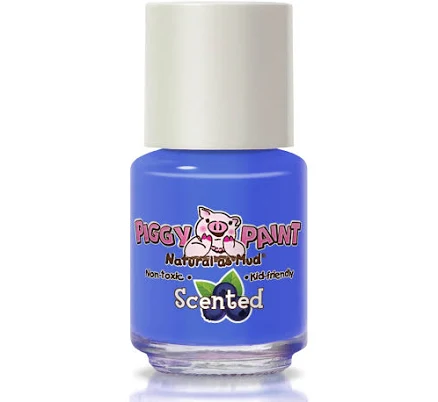
- water-based pigmented lacquer
- The brand calls it PFAS-free, which we have not verified
- Volatile organic compounds (VOCs) from resins and solvents
3 hazards checked on this product, all on its full breakdown.
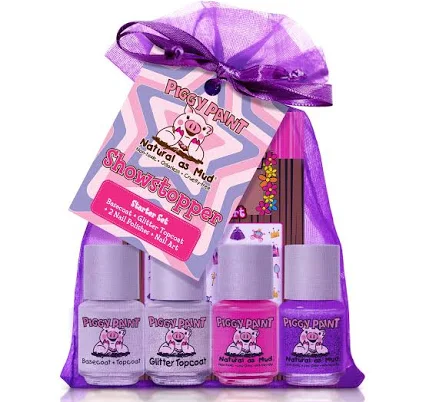
Piggy Paint
Showstopper Nail Polish Set
- organic pigments, plant-based resins, water-based lacquer
- The brand calls it PFAS-free, which we have not verified
- Volatile organic compounds (VOCs)
2 hazards checked on this product, all on its full breakdown.
More nail polish & top coat grades
How we score, every product runs through the same public 0-100 rubric based on materials, coatings, brand disclosure, lab findings, and recalls. See the full methodology → Spotted a mistake? Report an error.