By PFAS Authority · Updated October 3, 2026
Top grades to buy

Aisle
Super Hipster
APEC Water Systems
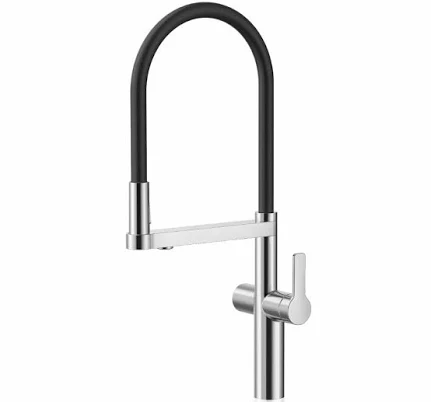
APEC 2-in-1 Pull-Down Kitchen Faucet

Aquasure
Premier Series 75 GPD Under Sink Reverse Osmosis Water Filtration System
Model-based grades, not lab tests. We flunk more than we pass. How grading works
Should You Worry About PFAS in Synthetic Turf at Your Local Park in 2024?
The West Hollywood City Council has hit pause on a plan to replace artificial turf at Hart Park after residents and advocates raised concerns about potential health risks tied to synthetic turf materials, according to the Beverly Press & Park Labrea News. The decision doesn't kill the turf-replacement project, but it does slow it down while the city takes a closer look at what the new turf would actually be made of.
If you have kids who play on turf fields, walk dogs on artificial lawns, or live near a park considering a turf upgrade, this story is worth understanding, not because synthetic turf has been proven dangerous, but because the materials used in it are under increasing scrutiny for PFAS content.
What happened in West Hollywood?
According to the Beverly Press & Park Labrea News, the West Hollywood City Council had approved a company to move forward with replacing the synthetic turf at Hart Park. But after residents and advocacy groups flagged concerns about the potentially harmful effects of synthetic turf, the council decided to pause the project rather than proceed immediately. The pause gives officials time to gather more information before committing to a specific turf product.
The news report doesn't specify which chemicals or health concerns were raised in detail, but synthetic turf has drawn national attention in recent years over several issues, PFAS ("forever chemicals") used in turf fibers or infill, heavy metals in rubber crumb infill, and heat retention that can make fields uncomfortably hot in summer.
Who is affected by this decision?
The most directly affected group is anyone who uses Hart Park, including families, kids' sports teams, and dog owners in West Hollywood. But the ripple effects are broader. Cities across the country are weighing similar turf-replacement decisions, and this pause signals that local governments are starting to treat PFAS in turf as a legitimate public concern rather than a fringe issue.
Parents of young athletes, in particular, may want to pay attention, since children often have more skin contact with turf fields and may be more sensitive to environmental exposures than adults, according to public health researchers who study child environmental health.
Why does PFAS in turf matter?
PFAS are a large family of synthetic chemicals used for decades to make products water-resistant, stain-resistant, or more durable. They've been used in some artificial turf fibers and infill materials. Research has linked certain PFAS compounds to a range of health concerns, including effects on the immune system, thyroid function, and cholesterol levels, though it's important to note these are associations observed in studies, not proof that any single product causes harm in a given person.
What makes PFAS especially persistent as a concern is that they don't break down easily in the environment. That means turf installed today could continue shedding these chemicals into soil, dust, or runoff for years. For a public park like Hart Park, that raises legitimate questions about long-term exposure for people who use the space regularly.
This isn't an isolated issue limited to turf. PFAS Authority's own scoring of 11,198 products shows that 41% fail its PFAS and toxin screen, and some outdoor and synthetic-material categories fare far worse. Camping tents and tarps, rain jackets, cycling rain jackets, sleeping bags, and softshell jackets all show 100% failure rates in the categories we've scored so far. These numbers come from our review of published ingredients, materials, certifications, and manufacturer disclosures, not laboratory testing, which means the real-world picture could be better or worse depending on what manufacturers choose to disclose.
What should you do if you're concerned?
If you live near a park facing a turf decision, consider attending public meetings or checking city council agendas, since that's exactly the kind of pressure that led West Hollywood to pause its project. Ask local officials whether the turf under consideration has been tested for PFAS or carries third-party certifications addressing the issue.
For products you buy yourself, rain jackets, tents, sleeping bags, and similar gear, you can check how specific brands and items score using our product finder before making a purchase. It's also worth knowing which brands currently disclose little or nothing about PFAS use, including Cuisinart, The North Face, MAC, Calphalon, T-fal, Nike, Columbia, and Estée Lauder. A lack of disclosure doesn't automatically mean a product contains PFAS, but it does make it harder for consumers to judge a product's actual risk level.
If you want to understand exactly how we evaluate products and assign scores, our methodology page walks through the process in detail.
Bottom Line
West Hollywood's decision to pause turf replacement at Hart Park isn't a verdict on synthetic turf's safety, it's a sign that local governments are taking PFAS concerns seriously enough to slow down and ask more questions. For consumers, the takeaway is similar, synthetic materials in parks, gear, and household products deserve a closer look, and disclosure, or the lack of it, is often the clearest signal available right now.
FAQ
Does this mean the turf at Hart Park contains PFAS?
Not necessarily. The Beverly Press & Park Labrea News reported that the council paused the project due to concerns raised by residents, but the article doesn't confirm specific chemical testing results for the turf product in question. The pause appears to be precautionary while more information is gathered.
Is all synthetic turf a PFAS concern?
Not all turf products are the same, and formulations vary by manufacturer. Some turf materials may carry a lower concern profile than others depending on what fibers, coatings, and infill are used. Checking for specific disclosures or certifications is the most reliable way to compare options.
What can I do if my local park is considering turf replacement?
Attend city council or parks department meetings, ask whether PFAS testing or disclosure has been part of the vendor selection process, and request documentation on the specific materials being proposed before installation moves forward.
What else we were tracking around this
- Oct 4, 2026Is Your Tap Water’s PFAS Protection at Risk in 2025?
- Oct 3, 2026Driscoll’s Strawberry PFAS Lawsuits, What Shoppers Need to Know in 2026
- Oct 3, 2026Is Philadelphia's New Murphy Rec Center Turf Field Actually PFAS-Free in 2024?
- Oct 2, 2026PFAS Remediation in 2026, What It Costs, Who Pays, and What It Means for Your Water and Gear
The latest PFAS news is updated daily.
Now check your own stuff
Search anything you own and get its PFAS grade in seconds.
Get the graded list, free
The products we score each week, and the best-graded alternative in every category.
No spam. Unsubscribe anytime.