By PFAS Authority · Updated September 16, 2026
Top grades to buy

Aisle
Super Hipster
APEC Water Systems
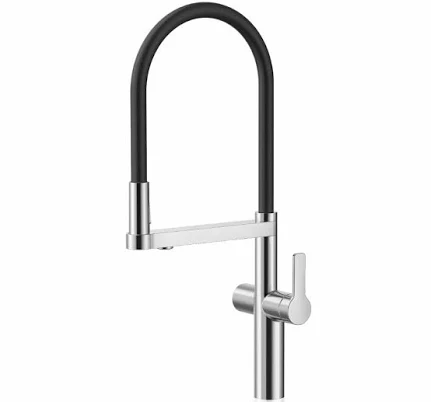
APEC 2-in-1 Pull-Down Kitchen Faucet

Aquasure
Premier Series 75 GPD Under Sink Reverse Osmosis Water Filtration System
Model-based grades, not lab tests. We flunk more than we pass. How grading works
Chemours & DuPont's $600 Million PFAS Settlement, What Does It Mean for North Carolina Families in 2024?
North Carolina has reached a settlement of nearly $600 million with chemical manufacturers DuPont and Chemours over allegations that the companies illegally discharged PFAS "forever chemicals" into the Cape Fear River and other state waterways, according to ABC11 News and the North Carolina Attorney General's office. The agreement closes out one of the most closely watched PFAS contamination cases in the country, but for residents who have lived with tainted drinking water for years, the settlement raises as many questions as it answers.
While this case centers on industrial discharge, it's a reminder of just how widespread PFAS contamination has become in everyday life. PFAS Authority's own scoring of 10,673 products found that 48% fail its PFAS and toxin screen, a sobering figure that shows this isn't just a North Carolina river problem, it's a nationwide consumer problem. You can check how specific items score using our product finder.
What Happened in the Chemours PFAS Case?
According to ABC11 News, North Carolina's Attorney General accused Chemours and its former parent company DuPont of knowingly releasing PFAS compounds, including the compound known as GenX, into the Cape Fear River and other water sources from the Fayetteville Works facility. State officials say the discharges contaminated drinking water supplies relied upon by tens of thousands of residents downstream, including communities in Wilmington and surrounding Cape Fear River basin counties.
The nearly $600 million settlement, as reported by ABC11, is intended to address the state's claims related to years of alleged contamination. It follows earlier consent orders and separate legal actions tied to the same facility, part of a broader pattern of PFAS litigation against chemical manufacturers across the country.
Who Is Affected by the Cape Fear River Contamination?
The people most directly affected, per reporting on the case, are residents in the Cape Fear River basin who have drawn drinking water from sources downstream of the Fayetteville Works plant for decades. Local utilities, municipal water systems, and private well owners in the region have all grappled with elevated PFAS levels in their water supplies in the years since contamination was first identified.
But the reach of PFAS extends well beyond one river basin. These synthetic chemicals, prized by manufacturers for their grease-, water-, and stain-resistant properties, have been used for decades in everything from nonstick cookware to outdoor gear to food packaging. That's why PFAS Authority tracks PFAS risk across thousands of consumer products, not just drinking water systems, the chemicals show up in surprisingly ordinary places.
Why Does This PFAS Settlement Matter to Consumers?
PFAS chemicals have been associated in scientific studies with a range of health concerns, including changes in cholesterol levels, effects on the immune system, and, in some research, links to certain cancers. It's important to note these are associations observed in population studies, not proof that PFAS exposure directly causes any individual health outcome. Researchers are still working to understand the full picture, which is part of why cases like the Chemours settlement matter, they represent an acknowledgment, at least in legal terms, that these chemicals were released into the environment on a large scale.
For consumers, the bigger takeaway is that PFAS contamination isn't confined to water near a single manufacturing plant. It's in many of the products people buy every day. PFAS Authority's screening data shows entire product categories where contamination risk is essentially universal, 100% of the 316 camping tents and tarps scored failed the PFAS and toxin screen, along with 100% of 74 rain jackets, 100% of 56 cycling rain jackets, 100% of 47 waterproof boots, and 100% of 15 snow pants scored. These are categories where water-resistant coatings have traditionally relied heavily on PFAS chemistry.
It's worth noting how these scores are generated. PFAS Authority does not test products in a laboratory. Instead, scores are built from publicly available ingredient lists, material disclosures, and third-party certifications, meaning a "fail" typically reflects either confirmed PFAS use or a lack of transparency from the brand. You can read more about how the process works on our methodology page.
What Should You Do About PFAS Exposure Right Now?
If you live in the Cape Fear River basin, check with your local water utility or the North Carolina Department of Environmental Quality for the latest testing results and any filtration guidance specific to your area. Point-of-use filters certified to reduce PFAS, such as those using activated carbon or reverse osmosis, are commonly recommended by public health agencies for households concerned about their tap water.
Beyond drinking water, consumers can take a broader look at everyday purchases. Several major brands, including Cuisinart, The North Face, Calphalon, MAC, T-fal, Nike, Columbia, and Patagonia, currently disclose nothing publicly about PFAS use in their products, according to PFAS Authority's tracking. That doesn't necessarily mean every product from these brands contains PFAS, but it does mean shoppers currently have no way to verify one way or the other. Before buying rain gear, nonstick cookware, or waterproof apparel, it's worth searching the product finder to see how specific items score.
Bottom Line
The Chemours and DuPont settlement is a significant legal outcome for North Carolina, but it doesn't erase the underlying reality, PFAS chemicals are still widely used across consumer product categories, and disclosure remains inconsistent at best. Whether it's a river basin or a rain jacket, the safest approach for consumers is to seek out products and brands with lower concern ratings based on verified ingredient transparency, rather than assuming any water-resistant or nonstick product is automatically fine.
Frequently Asked Questions
Did Chemours admit wrongdoing in the PFAS settlement?
ABC11's reporting describes the settlement as resolving the state's legal claims, but consumers should refer to official court filings and North Carolina Attorney General statements for the precise legal terms and any admissions involved.
Is my tap water safe if I live near the Cape Fear River?
Rather than assuming water is automatically safe, residents should check current PFAS testing data from their local utility or state environmental agency, since contamination levels have varied by location and over time.
How can I find out if a product I own contains PFAS?
Since most brands don't test products for consumers, PFAS Authority's product finder lets you search by product or brand to see how it scores based on published ingredients, materials, and disclosures, as explained in our methodology.
What else we were tracking around this
- Sep 17, 2026Could a Common Forever Chemical Be Undermining Early Pregnancy in 2026?
- Sep 16, 2026Is Your Peoria-Area Water Affected by PFAS in 2026? What Illinois EPA's Notice Means for You
- Sep 16, 2026Can Delaware Residents Get Free PFAS Testing for Their Well Water?
- Sep 15, 2026Are 30 PFAS Pesticides Still Legal in the EU in 2026, And What Does That Mean for Your Food?
The latest PFAS news is updated daily.
Now check your own stuff
Search anything you own and get its PFAS grade in seconds.
Get the graded list, free
The products we score each week, and the best-graded alternative in every category.
No spam. Unsubscribe anytime.