By PFAS Authority · Updated October 3, 2026
Top grades to buy

Aisle
Super Hipster
APEC Water Systems
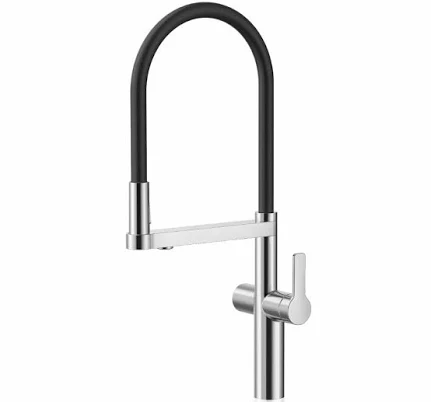
APEC 2-in-1 Pull-Down Kitchen Faucet

Aquasure
Premier Series 75 GPD Under Sink Reverse Osmosis Water Filtration System
Model-based grades, not lab tests. We flunk more than we pass. How grading works
Is Philadelphia's New Murphy Rec Center Turf Field Actually PFAS-Free in 2024?
No, despite assurances from city officials, independent experts say the new artificial turf field at South Philadelphia's Lawrence E. Murphy Recreation Center is not free of PFAS, the "forever chemicals" linked to a range of health concerns. The $7.5 million field, a centerpiece of the recreation center's recent upgrade, was marketed and understood by city officials as a PFAS-free product, according to reporting by The Inquirer (Feb. 23, 2024). Testing and analysis cited in that reporting suggest otherwise.
This isn't an isolated surprise. PFAS Authority's own scoring of 11,198 products found that 41% fail its PFAS and toxin screen, and some entire categories, like camping tents, rain jackets, and sleeping bags, score 100% failing. You can see how we arrive at these numbers in our methodology, which relies on published ingredient lists, materials disclosures, and certifications rather than laboratory testing of each item. Artificial turf has long been one of the trickier categories to evaluate because manufacturers rarely disclose full chemical formulations, even to the cities that buy their products.
What Happened at Murphy Recreation Center?
According to The Inquirer, Philadelphia officials believed the turf installed at Murphy Rec was PFAS-free when they approved and promoted the upgrade. Experts who reviewed the product and its documentation told the paper that claim doesn't hold up. PFAS compounds are commonly used in synthetic turf fibers and infill to make them more durable and resistant to wear, heat, and moisture, properties that make turf attractive for heavy-use public fields but also make it a potential source of chemical exposure.
The disconnect appears to stem from how turf manufacturers communicate (or fail to communicate) about PFAS content. A product can be labeled or described as "PFAS-free" in marketing materials while still containing trace amounts of the chemicals in its backing, coating, or fibers. Without independent lab verification, buyers, including city governments making multimillion-dollar purchasing decisions, may be relying on incomplete or misleading information.
Who Is Affected by This?
The most immediate group affected is the children, athletes, and families who use Murphy Recreation Center's field for sports and play. Artificial turf fields are touched, sat on, and breathed near for hours at a time, often by kids. But the implications extend further, cities and school districts across the country have installed or are planning similar synthetic turf fields, often under the same assumption that "PFAS-free" marketing claims are accurate.
Parents, coaches, and facility managers evaluating turf fields, or any product marketed as PFAS-free, are effectively in the same position Philadelphia officials were, trusting manufacturer claims that may not be independently verified.
Why Does This Matter?
PFAS chemicals have been associated in scientific studies with a range of health concerns, including effects on the immune system, thyroid function, cholesterol levels, and certain cancers, according to research reviewed by federal and state environmental agencies. These are associations observed in population studies, not proof that any single product or exposure causes a specific health outcome. Still, because PFAS are persistent in the environment and in the human body, earning their "forever chemical" nickname, public health agencies generally recommend minimizing unnecessary exposure where possible.
For a public recreation field used repeatedly by children, the gap between what officials believed and what experts found raises questions about procurement standards, if a city with resources and oversight processes can be misled about a product's PFAS content, what protections do ordinary consumers have when buying turf, rugs, or outdoor gear for their own homes?
What Should You Do About PFAS in Turf and Similar Products?
If you're a parent, coach, or community member concerned about a local field, consider these steps.
- Ask for documentation, not marketing claims. Request the specific material safety data sheets or third-party lab test results behind any "PFAS-free" claim, rather than accepting a label at face value.
- Push for independent testing. Municipalities and school districts can commission independent lab analysis before installation, rather than relying solely on manufacturer representations.
- Check manufacturer transparency. Some brands disclose little to nothing about PFAS use in their products. Among companies PFAS Authority tracks across various consumer categories, brands like Cuisinart, The North Face, Calphalon, T-fal, Nike, Columbia, MAC, and Estée Lauder currently disclose nothing about PFAS in their published materials, a pattern worth watching for in any industry, including turf and sporting goods.
- Use available tools. You can search our product finder to see how specific consumer products score on PFAS and toxin disclosures before buying for your own home or team gear bag.
Bottom Line
Philadelphia's experience with the Murphy Recreation Center field is a reminder that "PFAS-free" claims on consumer and municipal products aren't always verified independently before purchase. With 41% of the thousands of products PFAS Authority has scored failing its PFAS and toxin screen, skepticism toward unverified claims, and a push for real documentation, is a reasonable response for consumers and city officials alike.
Frequently Asked Questions
Is the Murphy Recreation Center field dangerous to play on?
No agency has declared the field unsafe, and PFAS Authority does not label any product flatly "safe" or "unsafe." Experts quoted by The Inquirer dispute the PFAS-free claim, which raises a lower-concern-versus-higher-concern question that would benefit from independent lab testing and public health agency review.
How can I tell if a turf field or product truly contains no PFAS?
Manufacturer marketing claims alone aren't reliable verification. Look for independent lab testing results, third-party certifications, and full ingredient or materials disclosures rather than taking a "PFAS-free" label at face value.
Does PFAS Authority test turf products in a lab?
No. PFAS Authority scores products based on published ingredients, materials, and certifications and disclosures from manufacturers, as explained in our methodology, not independent laboratory testing of each item.
What else we were tracking around this
- Oct 3, 2026Driscoll’s Strawberry PFAS Lawsuits, What Shoppers Need to Know in 2026
- Oct 3, 2026Should You Worry About PFAS in Synthetic Turf at Your Local Park in 2024?
- Oct 2, 2026PFAS Remediation in 2026, What It Costs, Who Pays, and What It Means for Your Water and Gear
- Oct 2, 2026Can New PFAS Destruction Tech Finally Clean Up Forever Chemicals in 2026?
The latest PFAS news is updated daily.
Now check your own stuff
Search anything you own and get its PFAS grade in seconds.
Get the graded list, free
The products we score each week, and the best-graded alternative in every category.
No spam. Unsubscribe anytime.