By PFAS Authority · Updated October 2, 2026
Top grades to buy

Aisle
Super Hipster
APEC Water Systems
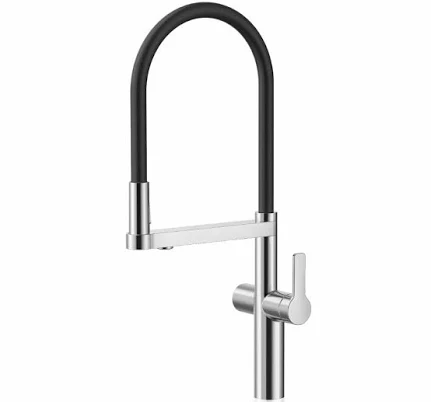
APEC 2-in-1 Pull-Down Kitchen Faucet

Aquasure
Premier Series 75 GPD Under Sink Reverse Osmosis Water Filtration System
Model-based grades, not lab tests. We flunk more than we pass. How grading works
PFAS Remediation in 2026, What It Costs, Who Pays, and What It Means for Your Water and Gear
Cleaning up "forever chemicals" has become one of the most expensive environmental challenges in the country, and 2026 is shaping up to be the year the bill comes due for water utilities, manufacturers, and property owners alike. A new explainer from Environment+Energy Leader lays out the basics of PFAS remediation, the process of removing or destroying per- and polyfluoroalkyl substances from water, soil, and other contaminated media, and the picture it paints is sobering, this is slow, costly work, and compliance deadlines are closing in.
While utilities fight over treatment technology and legal liability, consumers are left asking a more immediate question, is the stuff in my home contributing to the problem in the first place? PFAS Authority's own scoring of 11,144 products found that 41% fail its PFAS and toxin screen, a reminder that remediation downstream doesn't fix the upstream flow of forever chemicals into water, landfills, and waste streams every day. You can check specific items with our product finder.
What Happened?
According to Environment+Energy Leader, PFAS remediation refers to the range of techniques used to remove or destroy PFAS compounds once they've contaminated drinking water, groundwater, soil, or industrial wastewater. Because PFAS molecules contain extremely strong carbon-fluorine bonds, they resist breaking down naturally, hence the "forever chemicals" nickname, and conventional water treatment methods largely fail to remove them.
Utilities and site owners currently rely on a handful of proven approaches, each with tradeoffs, granular activated carbon filtration, ion exchange resins, and high-pressure membrane systems like reverse osmosis can capture PFAS from water, but they don't destroy it, the captured chemicals still need to be incinerated or disposed of as hazardous waste. Emerging destruction technologies, such as supercritical water oxidation and electrochemical oxidation, promise to break the carbon-fluorine bond permanently, but they remain costly and are not yet deployed at scale, the publication reports.
Who Is Affected?
The financial and logistical burden falls on several groups at once. Public water systems, particularly smaller municipal utilities, face federal requirements to test for and reduce PFAS in drinking water, with compliance costs that can run into the millions of dollars for treatment infrastructure alone. Property owners near military bases, airports, and industrial sites where firefighting foam or manufacturing discharge contaminated soil and groundwater may find themselves tangled in liability disputes over who pays for cleanup. And increasingly, manufacturers that used PFAS in consumer products are facing litigation and disclosure pressure as the source of contamination.
Consumers are affected too, just less visibly. Rates for municipal water service may rise to cover treatment costs, and products that use PFAS for water, stain, or grease resistance continue to shed these chemicals into wastewater, landfills, and eventually back into the water cycle that remediation systems are trying to clean.
Why Does It Matter?
PFAS exposure has been associated in scientific studies with a range of health concerns, including effects on cholesterol levels, immune response, thyroid function, and certain cancers, according to the U.S. Environmental Protection Agency. These are associations observed in research, not proven cause-and-effect for every individual, but the weight of evidence is part of what's driving regulators to act.
The 2026 compliance reality is that remediation alone can't solve the problem. Even the most advanced treatment plant can only clean water that reaches it, it does nothing to stop new PFAS from entering the environment through everyday consumer products like cookware, rain gear, and camping equipment that shed these chemicals during use, washing, and disposal.
This is where PFAS Authority's screening becomes useful context. Our scoring is based on published ingredients, materials, certifications, and manufacturer disclosures, not laboratory testing of each item, and it shows just how concentrated the problem is in certain categories. Camping tents and tarps, rain jackets, cycling rain jackets, sleeping bags, and softshell jackets all showed 100% failure rates in our scoring, meaning every product we evaluated in those categories failed our PFAS and toxin screen. Several major brands, including Cuisinart, The North Face, MAC, Calphalon, T-fal, Nike, Columbia, and All-Clad, currently disclose nothing about PFAS use in their products, making it difficult for shoppers to make an informed choice at all. You can read how we evaluate products on our methodology page.
What Should You Do?
You can't personally fund a water treatment plant, but you can reduce your own contribution to the PFAS cycle and protect your household in the meantime.
- Check your water utility's reporting. Many utilities now publish PFAS test results; ask your local provider directly if you don't see data.
- Consider point-of-use filtration. Reverse osmosis and certain activated carbon filters certified for PFAS reduction can lower exposure from tap water, though no filter eliminates every compound.
- Look before you buy outdoor and kitchen gear. Given how many rain jackets, tents, and sleeping bags fail PFAS screening, use a tool like our product finder to compare options before purchasing.
- Favor brands that disclose. Companies that publish PFAS-related ingredient and material information give you more ability to choose lower-concern products.
Bottom Line
PFAS remediation technology is advancing, but it's expensive, slow, and focused on cleaning up contamination that has already happened, not preventing new PFAS from entering the environment. With 41% of scored products failing PFAS Authority's screen and entire outdoor gear categories showing complete failure rates, consumer choices remain one of the few levers people can pull directly, while utilities and regulators work through the costlier, slower process of large-scale cleanup.
Frequently Asked Questions
Does PFAS remediation mean my tap water is now free of forever chemicals?
Not necessarily. Remediation efforts vary by location and funding, and many utilities are still in the process of testing, planning, or building treatment systems. Check your utility's public reporting for current data.
Can home water filters remove PFAS?
Certain filters, particularly reverse osmosis systems and activated carbon filters certified for PFAS reduction, can lower levels in tap water, though effectiveness varies by filter type and specific compound.
Why do so many rain jackets and tents fail PFAS screening?
Many outdoor brands have historically used PFAS-based coatings for water and stain resistance. PFAS Authority's scoring of published materials and disclosures found 100% failure rates in categories like tents, rain jackets, and sleeping bags, reflecting how widespread this use remains.
What else we were tracking around this
- Oct 3, 2026Should You Worry About PFAS in Synthetic Turf at Your Local Park in 2024?
- Oct 3, 2026Is Philadelphia's New Murphy Rec Center Turf Field Actually PFAS-Free in 2024?
- Oct 2, 2026Can New PFAS Destruction Tech Finally Clean Up Forever Chemicals in 2026?
- Oct 2, 2026Can New Cleanup Technology From Parsons Finally Get PFAS Out of the Environment in 2026?
The latest PFAS news is updated daily.
Now check your own stuff
Search anything you own and get its PFAS grade in seconds.
Get the graded list, free
The products we score each week, and the best-graded alternative in every category.
No spam. Unsubscribe anytime.