By PFAS Authority · Updated September 19, 2026
Top grades to buy

Aisle
Super Hipster
APEC Water Systems
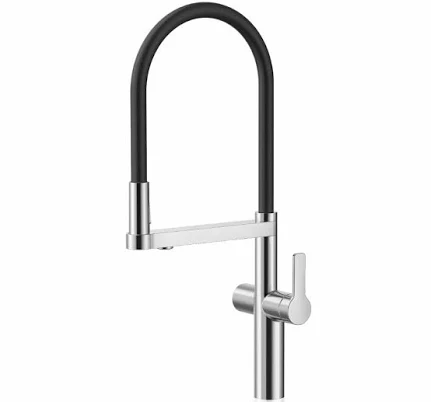
APEC 2-in-1 Pull-Down Kitchen Faucet

Aquasure
Premier Series 75 GPD Under Sink Reverse Osmosis Water Filtration System
Model-based grades, not lab tests. We flunk more than we pass. How grading works
Is Europe's PFAS Restriction Finally Happening in 2026?
Yes, and it matters even if you don't live in the EU. According to a client alert from law firm White & Case LLP, the long-discussed European proposal to restrict per- and polyfluoroalkyl substances (PFAS) under Regulation (EC) No. 1907/2006, better known as REACH, is continuing to move through the regulatory process. If it becomes final, it would be one of the broadest chemical restrictions in history, covering thousands of individual PFAS compounds used across consumer goods, industrial processes, and everyday products.
What Happened With the EU's PFAS Proposal?
Per White & Case's summary, the European proposal targets PFAS as a class rather than regulating each chemical one at a time, a shift from how these substances have historically been managed. Historically, regulators have restricted individual PFAS compounds (like PFOA or PFOS) after years of study. This proposal instead treats the entire family of thousands of related "forever chemicals" as a single group, based on their shared chemical structure and persistence in the environment.
The proposal has been under review by European regulatory bodies for some time, and the White & Case alert indicates it continues to advance through the formal process required before any restriction can take effect EU-wide.
Who Is Affected by a PFAS Restriction Like This?
A class-wide restriction would touch an enormous swath of everyday goods, not just industrial chemicals. PFAS are used for stain resistance, waterproofing, and grease resistance in items such as.
- Outdoor and rain gear (jackets, tents, sleeping bags)
- Non-stick cookware
- Cosmetics and personal care products
- Food packaging
- Textiles and carpets
Manufacturers who sell into the EU market would need to reformulate products or seek time-limited exemptions for uses where alternatives aren't yet available, per the regulatory framework described by White & Case.
Why Does This Matter to Consumers, Even Outside Europe?
PFAS have drawn scrutiny because certain compounds in this chemical family have been associated in scientific studies with health concerns, including effects on cholesterol levels, immune response, and certain hormone-related outcomes. These are associations observed in research, not proof that any specific product or exposure causes harm to any individual. Still, regulators point to the chemicals' persistence, they don't break down naturally and accumulate in the environment and in people over time, as the core rationale for restricting them broadly rather than one at a time.
Global brands often standardize formulations across markets, so an EU-wide restriction can influence what's available on store shelves well beyond Europe. Consumers everywhere may see reformulated products, new labeling, or shifts in which items carry PFAS-based treatments at all.
This gap between regulation and reality is already visible in the market today. PFAS Authority's own scoring of 10,952 products found that 41% fail its PFAS and toxin screen. Some categories are far worse than the average, camping tents & tarps, rain jackets, cycling rain jackets, sleeping bags, and softshell jackets all showed 100% failure rates in the categories we've scored so far. It's worth noting that our scores are built from publicly available ingredient lists, material declarations, certifications, and manufacturer disclosures, not laboratory testing of the physical products, so a score reflects what a brand does or doesn't disclose, not a lab-confirmed chemical measurement.
What Should Consumers Do Right Now?
Regulatory change in Europe typically takes years to fully implement, and enforcement dates, exemptions, and final scope are still being worked out. In the meantime, there are practical steps you can take.
- Check before you buy. Use a tool like our product finder to see how specific items score before adding them to your cart, especially in high-risk categories like outdoor gear and cookware.
- Look for brand transparency. Some major brands, including Cuisinart, Calphalon, The North Face, MAC, T-fal, Nike, Columbia, and Estée Lauder, currently disclose nothing about PFAS use in their products, based on our review. Lack of disclosure doesn't confirm PFAS is present, but it does make it harder for shoppers to judge for themselves.
- Understand how scoring works. Our methodology page explains exactly how we evaluate disclosures, certifications, and materials to arrive at a score, so you can weigh that information appropriately.
- Watch for reformulation. As EU rules tighten, expect to see "PFAS-free" claims appear more often, but treat marketing claims as a starting point for research, not a guarantee.
Bottom Line
Europe's proposal to regulate PFAS as an entire chemical class, rather than one compound at a time, continues to advance, according to White & Case. If finalized, it could reshape product formulations far beyond EU borders. Until then, many everyday categories, particularly outdoor and rain gear, show high rates of PFAS-related disclosures or absence of disclosure in our own scoring. Shoppers who want lower-concern options can use independent scoring tools now rather than waiting for regulation to catch up.
Frequently Asked Questions
Does this EU proposal mean PFAS products will disappear from stores immediately?
No. Regulatory restrictions like this typically involve extended timelines, exemptions for specific uses, and phased implementation. According to White & Case's summary, the proposal is still moving through process steps before any final rule would take effect.
Does a product being PFAS-free mean it's completely safe?
No product should be described as flatly "safe." A PFAS-free label or a strong score in our system indicates lower concern based on available disclosures, but it isn't a guarantee against all chemical exposure or a substitute for medical or safety advice.
Why do some brands score poorly even if their products aren't necessarily loaded with PFAS?
Our scores are based on published ingredients, materials, certifications, and disclosures, not independent lab testing. A brand that discloses little or nothing about its use of PFAS may score poorly simply because there isn't enough public information to confirm lower-concern status, even if the underlying product may not contain high levels of these chemicals.
This article is for general consumer information only and does not constitute legal or medical advice.
What else we were tracking around this
- Sep 20, 2026Can New EPA-Funded Technology Finally Destroy PFAS in Industrial Wastewater in 2026?
- Sep 20, 2026Is Indiana American Water's $150M PFAS Cleanup Enough to Protect Your Tap Water?
- Sep 19, 2026Is the EU Finally Getting Serious About PFAS in 2026?
- Sep 19, 2026Are Wild Turkeys Safe to Eat in Maine? What the PFAS Warning Means for You
The latest PFAS news is updated daily.
Now check your own stuff
Search anything you own and get its PFAS grade in seconds.
Get the graded list, free
The products we score each week, and the best-graded alternative in every category.
No spam. Unsubscribe anytime.