By PFAS Authority · Updated September 24, 2026
Top grades to buy

Aisle
Super Hipster
APEC Water Systems
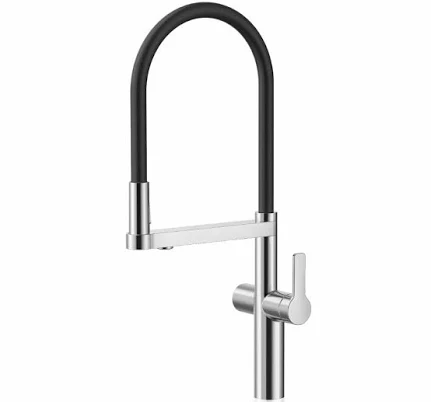
APEC 2-in-1 Pull-Down Kitchen Faucet

Aquasure
Premier Series 75 GPD Under Sink Reverse Osmosis Water Filtration System
Model-based grades, not lab tests. We flunk more than we pass. How grading works
Is Your Makeup Safe From PFAS in 2026? What the FDA's New Findings Mean for You
The U.S. Food and Drug Administration has completed a long-awaited review of PFAS chemicals used in cosmetic products, and the results are a mixed bag for consumers. According to Bergeson & Campbell's summary of the agency's findings, the FDA concluded that five specific PFAS pose "low safety concerns" when cosmetics are used as intended, but the agency also flagged "significant data gaps" for other PFAS still found in beauty and personal care products.
If that sounds like a non-answer, you're not alone in thinking so. Here's what actually happened, who it affects, and what you can do about it right now.
What Did the FDA Actually Find?
Per Bergeson & Campbell's report on the FDA's review, the agency evaluated the safety of PFAS compounds intentionally added to cosmetic products, things like foundation, lip products, and skin creams, where PFAS are sometimes used for their water-resistant or smoothing properties. Of the substances reviewed, the FDA determined that five PFAS present low safety concern under normal, intended-use conditions. However, the agency also identified at least one compound (and broader categories of PFAS use) where the existing scientific data simply isn't robust enough to draw firm conclusions.
In plain terms, the FDA isn't saying cosmetics containing these chemicals are unsafe. But it also isn't saying the matter is settled. "Significant data gaps" is regulatory language for "we don't have enough information to be confident either way", which is a notably different message than a clean bill of health.
Who Is Affected by This?
Anyone who uses cosmetics, which is to say, nearly everyone, has some stake in this finding. PFAS ("forever chemicals") have been used in cosmetics for decades, often listed on ingredient labels under names like "PTFE," "perfluorooctyl triethoxysilane," or various "fluoro" prefixes. They show up most commonly in long-wear foundations, waterproof mascaras, and some lip and eye products.
Because PFAS are persistent, they don't break down easily in the environment or, some research suggests, in the human body, their presence in personal care products has drawn scrutiny from scientists, regulators, and consumer advocates for years, even before this FDA review.
Why Does This Matter for Consumers?
PFAS exposure has been associated in scientific studies with a range of health concerns, including effects on cholesterol levels, immune response, and certain hormone functions. It's important to be precise here, these are associations observed in research, not proven cause-and-effect relationships for every PFAS compound or every level of exposure. Cosmetics are just one small potential source of PFAS exposure among many, food packaging, water supplies, and household textiles are others, but for consumers trying to reduce overall "forever chemical" exposure, knowing where PFAS hide matters.
The FDA's acknowledgment of data gaps is significant because it means regulatory certainty is still years away for many PFAS-containing formulations. That leaves consumers in a familiar position, making personal choices based on incomplete information.
This pattern isn't unique to cosmetics. PFAS Authority's own scoring of 11,218 products across categories shows that 41% fail its PFAS and toxin screen, underscoring how widespread these chemicals remain across consumer goods generally, not just makeup. That screening is based on published ingredients, materials, certifications, and manufacturer disclosures rather than laboratory testing of each item, but the pattern is striking. Some categories fare far worse than others, camping tents and tarps, rain jackets, cycling rain jackets, sleeping bags, and softshell jackets all show 100% failure rates among the hundreds of products scored in each group, largely due to water-resistant PFAS treatments common in outdoor gear.
Cosmetics haven't been scored at the same scale yet, but the underlying issue, chemical suppliers using PFAS for performance properties without full public disclosure, is the same dynamic driving both findings.
What Should You Do Right Now?
You don't need to panic, but a few practical steps can help you make more informed choices while regulators continue their work.
- Check ingredient labels on long-wear and waterproof cosmetics for PFAS-related terms like "PTFE," "perfluoro," or "polyfluoro."
- Favor brands that disclose their formulations openly. Transparency is often a useful proxy for how seriously a company takes chemical safety.
- Be aware that some major brands disclose little to nothing about PFAS in their products across categories, companies including Cuisinart, The North Face, MAC, Calphalon, T-fal, Nike, Columbia, and Adidas currently provide minimal public information on PFAS use, based on PFAS Authority's research.
- Use independent tools to check specific products before buying. PFAS Authority's product finder lets you search items by category and brand to see how they score.
- Understand the methodology behind any screening tool you use, including ours. You can read exactly how products are evaluated on our methodology page.
Bottom Line
The FDA's review found five PFAS in cosmetics to be of low concern under intended use, but it also admitted it doesn't have enough data on others to say the same. That's not a clean pass or fail, it's an invitation for consumers to stay informed and cautious. Given how widespread PFAS remain across consumer products generally, checking labels and using independent screening resources is a reasonable, low-effort way to reduce your exposure while science and regulation catch up.
Frequently Asked Questions
Does the FDA's finding mean cosmetics with PFAS are safe to use?
Not exactly. The FDA said five specific PFAS pose low safety concern under intended use conditions, per Bergeson & Campbell's summary, but it also identified data gaps for other PFAS. "Low concern" is not the same as a guarantee of safety, and this article is not medical advice.
How can I tell if my makeup contains PFAS?
Check the ingredient list for terms containing "fluoro," "PTFE," or "perfluoro." Not all products disclose fully, which is why independent tools like PFAS Authority's product finder can help fill in gaps using published data.
Are PFAS in cosmetics as big a concern as PFAS in outdoor gear?
The scale differs. PFAS Authority's own scoring of over 11,000 products found 100% failure rates in categories like rain jackets and tents, far higher than what's currently documented in cosmetics. Still, the underlying chemical concerns and lack of disclosure are similar issues across both categories.
What else we were tracking around this
- Sep 24, 2026Can Cotton Rain Gear Actually Keep You Dry Without PFAS in 2026?
- Sep 24, 2026Is There PFAS in Your Makeup? What the FDA’s 2026 Cosmetics Report Means for You
- Sep 23, 2026Why Does 1 in 6 People Face Infertility in 2023, And Could Everyday PFAS Exposure Be a Factor?
- Sep 23, 2026Does Tap Water Contain Fertility-Harming Forever Chemicals in 2026?
The latest PFAS news is updated daily.
Now check your own stuff
Search anything you own and get its PFAS grade in seconds.
Get the graded list, free
The products we score each week, and the best-graded alternative in every category.
No spam. Unsubscribe anytime.