By PFAS Authority · Updated September 23, 2026
Top grades to buy

Aisle
Super Hipster
APEC Water Systems
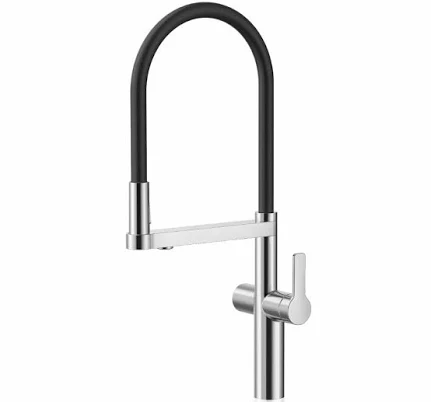
APEC 2-in-1 Pull-Down Kitchen Faucet

Aquasure
Premier Series 75 GPD Under Sink Reverse Osmosis Water Filtration System
Model-based grades, not lab tests. We flunk more than we pass. How grading works
Why Does 1 in 6 People Face Infertility in 2023, And Could Everyday PFAS Exposure Be a Factor?
A new report from the World Health Organization estimates that roughly 17.5% of people worldwide, about 1 in 6, have experienced infertility at some point in their lives, according to PBS NewsHour's reporting on the WHO findings. The report doesn't point to a single cause, but it does call for more research into the environmental and lifestyle factors that may play a role. That's where PFAS, the "forever chemicals" found in everything from cookware to rain gear, enter the conversation.
What Did the WHO Actually Find?
Per PBS's coverage of the WHO report, infertility affects roughly 17.5% of the adult population globally, with rates similar across high-, middle-, and low-income countries. The WHO reportedly stressed that this is a "high" prevalence that deserves more attention from health systems and researchers, and it called for more investment into understanding the causes, including environmental exposures.
Who Is Affected, and What's the Possible PFAS Connection?
The WHO report doesn't single out PFAS as a cause of infertility. But a growing body of independent research has looked at associations between PFAS exposure and reproductive health, including studies examining links to hormone disruption, altered menstrual cycles, and pregnancy complications. These are associations observed in scientific studies, not proof that PFAS causes infertility, but they're part of the reason regulators and researchers are paying closer attention to how widespread these chemicals are in daily life.
PFAS are used for their water-, stain-, and grease-resistant properties, which means they show up in a surprising number of household and outdoor products, far beyond nonstick pans. That widespread use is exactly why exposure is so hard to avoid, and why any potential reproductive-health link, even an unproven one, is worth understanding.
Why Does This Matter for Everyday Shoppers?
Most people encounter PFAS not through a factory or a lab, but through the products they buy. To understand just how common these chemicals are in consumer goods PFAS Authority's own scoring of 11,218 products found that 41% fail its PFAS and toxin screen. That's not a lab-confirmed contamination rate, it's based on our review of publicly available ingredient lists, materials disclosures, and certifications, not laboratory testing of the products themselves. Full methodology is explained on our methodology page.
Some categories fare far worse than the overall average. According to PFAS Authority's scoring, 100% of camping tents and tarps (out of 316 scored), 100% of rain jackets (74 scored), 100% of cycling rain jackets (72 scored), 100% of sleeping bags (15 scored), and 100% of softshell jackets (15 scored) failed the screen. In other words, if you own outdoor gear designed to repel water, there's a strong chance it was scored as a fail under our criteria, often because PFAS-based water-repellent coatings are standard in these categories.
Compounding the problem, some well-known brands provide little to no public disclosure about PFAS use in their products. PFAS Authority's research found that Cuisinart, The North Face, MAC, Calphalon, T-fal, Nike, Columbia, and Adidas fall into this category. Without disclosure, shoppers, and researchers, are left guessing about what's actually in the products they use every day.
What Should You Do About It?
The WHO's call for more research is a reminder that the science on infertility causes, including any role PFAS might play, is still developing. That said, there are practical steps that don't require waiting for definitive proof.
- Check before you buy. Use a tool like the PFAS Authority product finder to see how items you're considering, especially outdoor and kitchen gear, score before you purchase.
- Look for water-repellent finishes with skepticism. "Water-resistant" or "weatherproof" labels on tents, jackets, and sleeping bags often indicate a PFAS-based treatment, based on our scoring data.
- Ask brands directly. If a company doesn't publish PFAS information, consider reaching out or choosing brands that do disclose.
- Talk to a healthcare provider. If you have questions about infertility or reproductive health, a medical professional can help you evaluate personal risk factors, this article is not medical advice.
Bottom Line
The WHO's finding that 1 in 6 people experience infertility is a wake-up call for more research, not a diagnosis of what's causing it. PFAS exposure is one of many factors scientists are studying as a possible association, and while causation hasn't been established, the sheer prevalence of PFAS in everyday products, 41% of items PFAS Authority has scored fail its PFAS and toxin screen, means reducing unnecessary exposure is a reasonable, low-cost precaution while research continues.
Frequently Asked Questions
Does the WHO report say PFAS causes infertility?
No. Per PBS's reporting on the WHO report, the organization highlighted the high global prevalence of infertility and called for more research into causes generally. It did not identify PFAS as a proven cause; any PFAS-infertility link discussed elsewhere in the scientific literature is an association, not established causation.
How does PFAS Authority determine if a product "fails" its screen?
PFAS Authority scores products using published ingredient lists, material disclosures, and third-party certifications, not laboratory testing, as detailed on our methodology page. A "fail" indicates the presence of PFAS-related concerns based on this available public information.
What's the easiest way to reduce PFAS exposure at home?
Start with categories known for high PFAS use, like water-resistant outdoor gear and nonstick cookware, and check products against a database such as the PFAS Authority finder before buying. Choosing brands that disclose PFAS content can also help you make more informed decisions.
What else we were tracking around this
- Sep 24, 2026Is There PFAS in Your Makeup? What the FDA’s 2026 Cosmetics Report Means for You
- Sep 24, 2026Is Your Makeup Safe From PFAS in 2026? What the FDA's New Findings Mean for You
- Sep 23, 2026Does Tap Water Contain Fertility-Harming Forever Chemicals in 2026?
- Sep 23, 2026Do Forever Chemicals in Tap Water Affect Fertility in 2026?
The latest PFAS news is updated daily.
Now check your own stuff
Search anything you own and get its PFAS grade in seconds.
Get the graded list, free
The products we score each week, and the best-graded alternative in every category.
No spam. Unsubscribe anytime.