By PFAS Authority · Updated September 23, 2026
Top grades to buy

Aisle
Super Hipster
APEC Water Systems
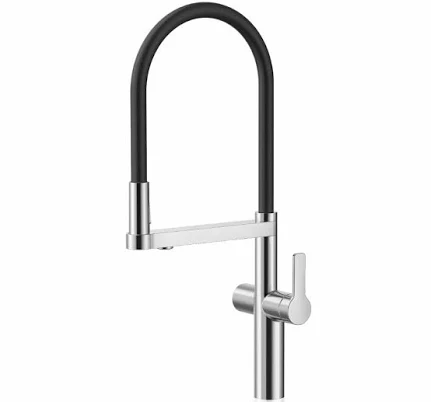
APEC 2-in-1 Pull-Down Kitchen Faucet

Aquasure
Premier Series 75 GPD Under Sink Reverse Osmosis Water Filtration System
Model-based grades, not lab tests. We flunk more than we pass. How grading works
Does Tap Water Contain Fertility-Harming Forever Chemicals in 2026?
A new study covered by The Eastleigh Voice has renewed concern that PFAS, the man-made "forever chemicals" found in drinking water and countless consumer products, may be linked to disrupted female fertility. Here's what the research means, who it affects, and what you can actually do about it.
What did the study find?
According to the report, researchers looked at PFAS, a large family of synthetic chemicals prized by industry for their resistance to water, grease, and stains, and their presence in tap water supplies. The study found an association between exposure to these chemicals and markers of disrupted fertility in women. It's important to be precise here, the research points to a statistical association, not proof that PFAS exposure causes infertility in any individual. Human bodies and reproductive systems are affected by many overlapping factors, and teasing out one chemical family's exact contribution is genuinely difficult science.
Still, the finding fits a growing body of research connecting PFAS to a range of health concerns, including thyroid disruption, altered cholesterol levels, immune changes, and reproductive effects. PFAS earned the nickname "forever chemicals" because their carbon-fluorine bonds barely break down in the environment or in the human body, which is precisely why regulators and scientists have grown increasingly worried about cumulative, long-term exposure.
Who is affected, and how widespread is the problem?
Tap water contamination has been documented in numerous countries, and PFAS have also been found in food packaging, cookware, textiles, and outdoor gear. This isn't a niche exposure limited to a few unlucky households, it's a pattern that shows up across everyday consumer categories.
That pattern is exactly what we see in PFAS Authority's own scoring of 11,218 products, where 41% failed our PFAS and toxin screen. Some categories are especially troubling, 100% of the 316 camping tents and tarps we scored failed, along with 100% of rain jackets (74 products), cycling rain jackets (72 products), sleeping bags (15 products), and softshell jackets (15 products). These are items marketed for durability and weather resistance, qualities often achieved with PFAS-based treatments.
We should be clear about our method, PFAS Authority scores products using published ingredient lists, materials disclosures, and certifications, not laboratory testing of the physical items. That means our scores reflect what brands report (or fail to report), and a "fail" often signals a lack of transparency as much as confirmed chemical content. You can read more about how we build these scores in our methodology.
Transparency itself is part of the problem. Several major brands, including Cuisinart, The North Face, MAC, Calphalon, T-fal, Nike, Columbia, and Adidas, currently disclose nothing about PFAS in the products we've reviewed. Without disclosure, shoppers are left guessing, and products default to a higher-concern rating in our system simply because there's no information to evaluate.
Why does this matter for everyday consumers?
Drinking water is not optional, everyone is exposed to whatever runs through their local supply, regardless of income or lifestyle. If PFAS in tap water are genuinely associated with reproductive effects, that raises stakes for millions of people, particularly women of reproductive age who may not realize their water is a potential source of ongoing, low-level exposure.
It also matters because PFAS exposure is cumulative and comes from multiple directions at once, water, food packaging, cookware coatings, and water-resistant textiles all can contribute. Reducing exposure from one source, like tap water, is meaningful, but it works best alongside smarter choices about the products you buy.
What can you actually do about it?
You cannot eliminate PFAS exposure entirely, but you can take practical steps to reduce it.
- Check your water quality. Look up your local water utility's testing reports or a national database, if available, to see whether PFAS have been detected in your supply.
- Consider filtration. Certain filter types, particularly activated carbon and reverse osmosis systems, have been shown in various studies to reduce PFAS levels in drinking water, though effectiveness varies by product and by which PFAS compounds are present.
- Scrutinize "water-resistant" and "non-stick" labels. Camping gear, rain jackets, and cookware are common carriers of PFAS-based treatments, as reflected in our own scoring data.
- Favor brands that disclose. Companies willing to publish ingredient and materials information give you an actual basis for comparison, unlike brands that disclose nothing.
- Use a product screening tool. Before buying gear, cookware, or textiles, you can check how items score using our product finder, which draws on published disclosures across thousands of products.
Bottom Line
A new study associates PFAS in tap water with disrupted female fertility markers, an association, not a proven cause-and-effect finding. But the study lands amid mounting evidence that these chemicals are widespread in water and consumer goods alike. PFAS Authority's own scoring shows 41% of over 11,000 products fail our screen, with entire categories like tents, rain jackets, and sleeping bags failing almost universally. Until regulation and brand transparency catch up, informed label-reading and smart filtration remain your best tools.
Frequently Asked Questions
Does this study prove PFAS in tap water causes infertility?
No. The research described identifies a statistical association between PFAS exposure and fertility-related markers in women. It does not establish that PFAS directly causes infertility in any individual, and further research is needed to clarify the mechanisms involved.
How do I know if my tap water contains PFAS?
Many water utilities publish annual water quality reports that include PFAS testing results where available. Contacting your local provider directly or checking regional environmental agency databases is a reliable starting point.
Which everyday products are most likely to contain PFAS?
Based on PFAS Authority's own scoring, weather-resistant outdoor gear such as camping tents, rain jackets, cycling rain jackets, sleeping bags, and softshell jackets show the highest failure rates. Non-stick cookware and certain food packaging are also common sources, especially from brands that don't disclose PFAS use.
What else we were tracking around this
- Sep 24, 2026Is Your Makeup Safe From PFAS in 2026? What the FDA's New Findings Mean for You
- Sep 23, 2026Why Does 1 in 6 People Face Infertility in 2023, And Could Everyday PFAS Exposure Be a Factor?
- Sep 23, 2026Do Forever Chemicals in Tap Water Affect Fertility in 2026?
- Sep 22, 2026PFAS at Pease, Will the Air Force Finally Act on New Hampshire's Contamination?
The latest PFAS news is updated daily.
Now check your own stuff
Search anything you own and get its PFAS grade in seconds.
Get the graded list, free
The products we score each week, and the best-graded alternative in every category.
No spam. Unsubscribe anytime.