By PFAS Authority · Updated September 24, 2026
Top grades to buy

Aisle
Super Hipster
APEC Water Systems
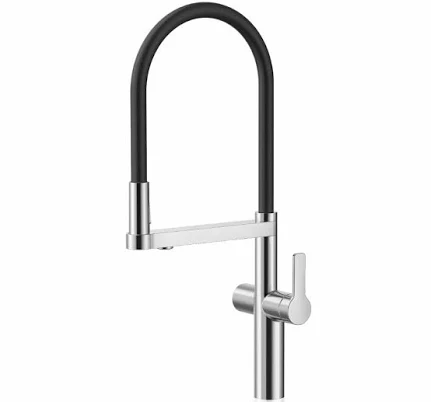
APEC 2-in-1 Pull-Down Kitchen Faucet

Aquasure
Premier Series 75 GPD Under Sink Reverse Osmosis Water Filtration System
Model-based grades, not lab tests. We flunk more than we pass. How grading works
Can Cotton Rain Gear Actually Keep You Dry Without PFAS in 2026?
Cotton is having an unlikely moment in outdoor gear. As shoppers grow wary of "forever chemicals" in their waterproof jackets, a decades-old fabric called Ventile, a tightly woven, long-staple cotton originally developed for World War II pilots, is showing up again in rain gear catalogs. Wirecutter's July 27 review dug into whether cotton can really replace synthetic, PFAS-treated shells. Here's what that means for anyone standing in a store aisle trying to stay dry without the chemical baggage.
What happened?
According to The New York Times' Wirecutter, growing public awareness of PFAS, the class of synthetic "forever chemicals" linked to environmental contamination and used for decades in durable water repellent (DWR) coatings, has pushed some consumers and manufacturers to look past Gore-Tex and other PFAS-based membranes entirely. Ventile cotton, woven so densely that the fibers swell and seal out water when wet, is being marketed as a lower-concern alternative because it can repel rain through structure alone, without a chemical coating.
This isn't a fringe curiosity. It reflects a broader reckoning across the rain-gear industry, where PFAS have long been the default technology for keeping jackets, tents, and gear waterproof.
Who is affected?
Basically anyone who buys rain jackets, softshells, tents, tarps, or sleeping bags. PFAS Authority's own scoring of 11,218 products found that 41% fail its PFAS and toxin screen overall, but some outdoor categories are far worse. Every single rain jacket, cycling rain jacket, camping tent or tarp, sleeping bag, and softshell jacket we've scored so far has failed, based on published ingredients, materials, certifications, and disclosures rather than laboratory testing of the physical products.
- Rain Jackets, 100% failing (74 scored)
- Cycling Rain Jackets, 100% failing (72 scored)
- Camping Tents & Tarps, 100% failing (316 scored)
- Sleeping Bags, 100% failing (15 scored)
- Softshell Jackets, 100% failing (15 scored)
Compounding the problem, several major brands, including The North Face, Columbia, Nike, and Adidas, disclose nothing at all about PFAS in their products, according to our scoring data. That opacity makes it difficult for shoppers to know what they're actually buying, even when they want to make a lower-concern choice.
Why does it matter?
PFAS have been associated in scientific studies with a range of health concerns, including effects on the immune system, cholesterol levels, and certain cancers, according to the U.S. Environmental Protection Agency. These are associations observed in research, not proven cause-and-effect in every individual, but the concern is serious enough that the EPA has moved to regulate PFAS in drinking water and several states have passed laws restricting PFAS in consumer textiles.
Rain gear is a notable exposure pathway because DWR coatings are applied directly to fabric worn against the skin or breathed near, and they shed microscopic particles over years of wear and washing. PFAS are also famously persistent in the environment, they don't break down easily, which is why they've earned the "forever chemicals" nickname, so the manufacturing and disposal of treated gear has downstream effects well beyond the person wearing it.
Cotton fabrics like Ventile appeal to shoppers precisely because they sidestep this issue at the material level, the water resistance comes from tight weaving and fiber swelling, not an added chemical layer. That said, cotton rain gear typically weighs more, breathes less predictably in some conditions, and may require more care than synthetic shells, trade-offs worth understanding before switching.
What should shoppers do?
If you're shopping for rain gear this year, a few practical steps can help.
- Ask before you buy. If a brand doesn't disclose whether its DWR coating contains PFAS, treat that silence as a red flag rather than an assumption of safety.
- Look for specific certifications. Labels indicating PFAS-free construction (rather than vague "eco" marketing) are more meaningful, though shoppers should still verify claims where possible.
- Consider fabric alternatives. Tightly woven cotton like Ventile, along with some newer bio-based coatings, are emerging as lower-concern options for rain protection, according to Wirecutter's reporting.
- Check before you shop. Use a tool like PFAS Authority's product finder to compare how specific rain jackets, tents, and sleeping bags score before making a purchase.
- Understand how scores are built. Our methodology explains that we evaluate publicly available ingredient lists, material disclosures, and certifications, we don't run our own lab tests, so scores reflect transparency and formulation data rather than direct chemical measurement.
Bottom Line
PFAS-based waterproofing has dominated rain gear for decades, and our data shows the outdoor category is still saturated with it, 100% of the rain jackets, tents, sleeping bags, and softshells we've scored fail our PFAS and toxin screen. Cotton fabrics like Ventile offer a lower-concern path to staying dry without chemical coatings, though they come with their own trade-offs in weight and breathability. Until more brands disclose their formulations, informed shoppers will need to do extra homework, or lean on tools that have already done it for them.
FAQ
Is Ventile cotton completely free of PFAS?
Ventile's water resistance comes primarily from its tight weave rather than a chemical coating, which makes it a lower-concern option compared to PFAS-treated synthetics. However, buyers should still confirm with individual manufacturers whether any additional treatments are applied.
Are PFAS in rain jackets proven to cause health problems?
Scientific studies have found associations between PFAS exposure and certain health effects, including immune and cholesterol changes, according to the EPA. These are statistical associations from research, not confirmed individual outcomes, and this article is not medical advice.
How can I check if my rain jacket brand discloses PFAS use?
Start with the brand's own product pages and safety data sheets, and cross-reference with independent scoring tools. PFAS Authority's finder compiles disclosure and certification data across thousands of products to help with this comparison.
What else we were tracking around this
- Sep 25, 2026PFAS in the EU, What Does 2026's Regulatory Turning Point Mean for You?
- Sep 25, 2026Can You Still Eat the Fish You Catch in 2024?
- Sep 24, 2026Is There PFAS in Your Makeup? What the FDA’s 2026 Cosmetics Report Means for You
- Sep 24, 2026Is Your Makeup Safe From PFAS in 2026? What the FDA's New Findings Mean for You
The latest PFAS news is updated daily.
Now check your own stuff
Search anything you own and get its PFAS grade in seconds.
Get the graded list, free
The products we score each week, and the best-graded alternative in every category.
No spam. Unsubscribe anytime.