By PFAS Authority · Updated September 25, 2026
Top grades to buy

Aisle
Super Hipster
APEC Water Systems
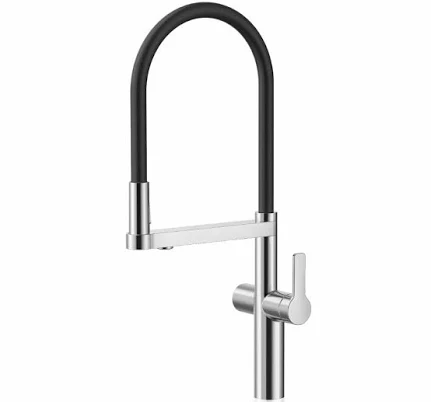
APEC 2-in-1 Pull-Down Kitchen Faucet

Aquasure
Premier Series 75 GPD Under Sink Reverse Osmosis Water Filtration System
Model-based grades, not lab tests. We flunk more than we pass. How grading works
Can You Still Eat the Fish You Catch in 2024?
If you fish for dinner, camp near a favorite river, or just like knowing what's in your local water, a June 2020 resolution from the National Wildlife Federation (NWF) is worth understanding. NWF affiliates flagged PFAS "forever chemicals" as a growing reason state agencies are posting fish and game consumption advisories across the country. Here's what that means for anglers, hunters, and anyone who eats what they catch.
What Happened, According to NWF?
NWF's blog post, "When You Can't Eat the Fish," describes a new affiliate resolution addressing how PFAS chemicals are contaminating waterways and contributing to fish and game consumption advisories, according to the National Wildlife Federation. These advisories are the warnings state wildlife or health agencies issue telling residents to limit or avoid eating certain fish or game from specific water bodies because of chemical contamination.
PFAS are a family of thousands of synthetic chemicals used for decades in nonstick cookware, waterproof clothing, firefighting foam, and industrial processes. They don't break down easily in the environment, which is why they've earned the nickname "forever chemicals." Once released, they can travel through groundwater and surface water, settle into soil and sediment, and accumulate in fish, deer, and other wildlife over time.
Who and What Is Affected?
According to NWF, the affiliate resolution points to a pattern showing up in state after state, waterways near industrial sites, military bases, and airports (where PFAS-containing firefighting foam has historically been used) are turning up in fish tissue testing at levels high enough to trigger consumption warnings. That matters most directly for.
- Subsistence and recreational anglers who rely on local catch for food
- Hunters who take deer or waterfowl from contaminated areas
- Families near industrial or military sites who may not know an advisory exists
- Anyone downstream of PFAS manufacturing or firefighting-foam use
The wildlife itself is affected too. NWF's resolution reflects concern that PFAS pollution doesn't just create a human food-safety issue, it's an ecological one, with contamination moving through food webs from water to fish to the animals, including humans, that eat them.
Why Does This Matter for Your Health?
Research organizations, including the EPA and CDC's Agency for Toxic Substances and Disease Registry, have associated higher PFAS exposure with a range of health concerns, including changes in cholesterol levels, immune response, and certain cancers. It's important to be precise here, these are associations found in population studies, not proven cause-and-effect for any individual. Still, because PFAS accumulate in the body over time and don't flush out quickly, repeated exposure through contaminated fish or game is exactly the kind of long-term intake health agencies want to minimize.
This is also why fish and game advisories exist in the first place, they're a precautionary tool, not proof that eating an occasional contaminated fish will cause harm. But for people who eat local catch regularly, the exposure can add up.
Is This Just a Fishing Problem?
No. PFAS contamination in waterways is connected to a much bigger picture, these chemicals are still widely used in consumer products that eventually shed into water, laundry, and landfills. PFAS Authority's own scoring of 11,218 products found that 41% fail its PFAS and toxin screen, including outdoor gear you might bring on that same fishing or camping trip. Categories like camping tents and tarps, rain jackets, cycling rain jackets, sleeping bags, and softshell jackets scored 100% failing in every product we've reviewed so far, based on published ingredients, materials, certifications, and disclosures rather than laboratory testing.
Some well-known brands, including Cuisinart, The North Face, MAC, Calphalon, T-fal, Nike, Columbia, and Adidas, currently disclose nothing about PFAS in their products, according to our data, which makes it harder for shoppers to compare options or avoid the chemicals if they choose to.
What Should You Do Before Your Next Fish Dinner?
- Check local advisories first. Most states publish fish consumption advisories by lake, river, or species, search your state wildlife or health department's website before eating your catch.
- Trim and cook smart. Removing skin and fat can reduce some contaminant load for certain chemicals, though PFAS can also be present in muscle tissue, so this isn't a guaranteed fix.
- Vary your source and species. Smaller, younger fish and species lower on the food chain generally accumulate less over their lifetime.
- Look at your gear too. If you're outfitting for a camping or fishing trip, you can check how specific products score using PFAS Authority's product finder before you buy.
- Understand how scoring works. Our methodology explains exactly how we evaluate disclosed ingredients, materials, and certifications to flag likely PFAS use.
Bottom Line
NWF's resolution is a reminder that PFAS contamination isn't an abstract regulatory issue, it shows up on dinner plates in the form of fish and game advisories. Checking your local advisory before eating local catch is a reasonable precaution, not a guarantee of harm avoided. And because PFAS shows up in gear as often as in water, checking labels and product scores can reduce your overall exposure footprint, even though no product can be flatly called "safe", only lower or higher concern based on what's disclosed.
FAQ
Does a fish advisory mean the water is unsafe to swim in?
Not necessarily. Consumption advisories focus on eating fish or game, not general water contact. Check your state agency's specific guidance for swimming or recreational use.
Can cooking remove PFAS from fish?
No cooking method is known to reliably eliminate PFAS from fish tissue. Trimming skin and fat may reduce some exposure, but agencies generally recommend following posted advisories rather than relying on preparation alone.
How does PFAS Authority score outdoor gear if it doesn't lab-test products?
We evaluate publicly available ingredient lists, material disclosures, and certifications, as explained in our methodology. Brands that disclose little or nothing about PFAS use tend to score lower simply due to lack of transparency, not necessarily confirmed contamination.
This article is for general consumer information and does not constitute medical or legal advice. Consult your state health or wildlife agency for advisories specific to your area.
What else we were tracking around this
- Sep 25, 2026Will the EU's New PFAS Crackdown in 2026 Actually Reduce Your Exposure?
- Sep 25, 2026PFAS in the EU, What Does 2026's Regulatory Turning Point Mean for You?
- Sep 24, 2026Can Cotton Rain Gear Actually Keep You Dry Without PFAS in 2026?
- Sep 24, 2026Is There PFAS in Your Makeup? What the FDA’s 2026 Cosmetics Report Means for You
The latest PFAS news is updated daily.
Now check your own stuff
Search anything you own and get its PFAS grade in seconds.
Get the graded list, free
The products we score each week, and the best-graded alternative in every category.
No spam. Unsubscribe anytime.