By PFAS Authority · Updated August 28, 2026
Top grades to buy
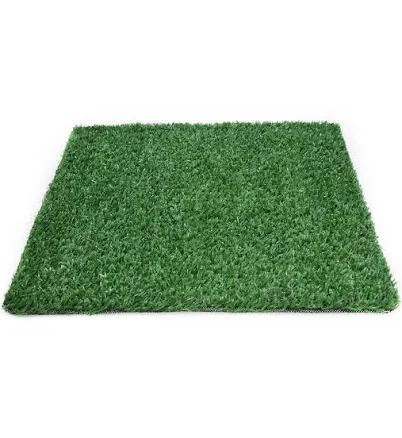
AstroTurf
SeeGreen 5 ft. W X 7 ft. L Green Polypropylene Astroturf
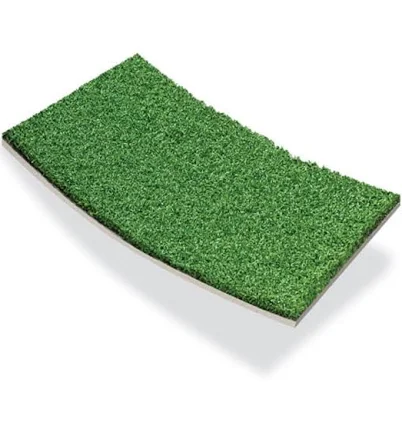
34 Oz Padded Gym Artificial Turf
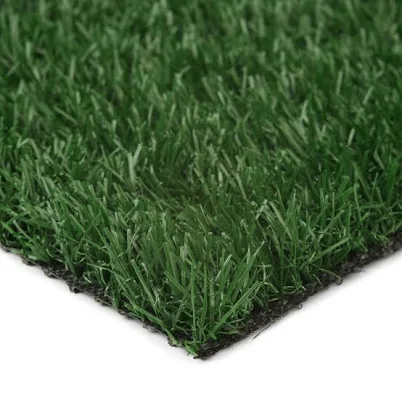
FloorEXP
Event Synthetic Grass Roll
Model-based grades, not lab tests. We flunk more than we pass. How grading works
Is Artificial Turf Safe in 2025? A Lawsuit Is Trying to Shut Down the Conversation
A manufacturer of artificial grass has sued to block a public seminar where scientists planned to discuss whether synthetic turf, used on playgrounds, school fields, and home lawns across the country, contains PFAS "forever chemicals," according to The New York Times. The case has alarmed researchers who say it's less about facts and more about silencing scientific debate before it can even happen.
What Happened?
According to the Times, four experts had planned to speak at a seminar examining the safety of artificial turf, a product increasingly common on athletic fields, school playgrounds, and residential lawns. A turf manufacturer filed suit to stop the event, raising questions about whether legal pressure was being used to prevent scientists from publicly discussing PFAS testing and health concerns tied to synthetic grass products.
The lawsuit doesn't settle the underlying scientific question, whether artificial turf contains meaningful levels of PFAS, but it does highlight how contentious that question has become as synthetic turf use has expanded nationwide.
Why Would Artificial Turf Contain PFAS?
PFAS (per- and polyfluoroalkyl substances) are a class of thousands of synthetic chemicals prized for resisting water, heat, and wear. Independent testing by researchers and environmental groups has previously found PFAS in some artificial turf blades, infill materials, and backing components, since the plastics used in turf manufacturing can be treated with or contain fluorinated compounds during production.
Not all turf products are made the same way, and PFAS levels, if present, can vary widely between brands, materials, and manufacturing processes. That variability is part of why independent, transparent testing matters so much, and why attempts to suppress public scientific discussion draw concern from researchers.
Who Is Affected?
This issue touches a broad swath of American life.
- Parents and kids who use playgrounds, parks, and school athletic fields built with synthetic turf
- Student athletes who play on artificial turf fields for practice and competition
- Homeowners who have installed artificial lawns for water conservation or low maintenance
- School districts and municipalities deciding whether to install or replace turf fields
- Scientists and journalists whose ability to publicly discuss product safety could be chilled by litigation
Why Does This Matter?
PFAS exposure has been associated in scientific studies with a range of health concerns, including effects on cholesterol levels, immune response, and certain hormone functions. It's important to note these are associations observed in population-level research, not proof that any single product or exposure causes a specific health outcome in an individual.
What makes this case notable isn't a new health finding, it's the attempt to prevent scientists from discussing existing research at all. When manufacturers use legal action to discourage public seminars or scientific panels, it can have a chilling effect that goes beyond one product category, according to public health experts who study corporate influence on science communication. Consumers rely on open scientific debate to make informed decisions, whether they're buying a lawn product or advocating for their child's school field.
What Should You Do If You're Concerned About Artificial Turf?
You don't have to wait for litigation to resolve before taking sensible steps.
- Ask before you install. If you're considering artificial turf for your home, ask the manufacturer directly whether the product has been independently tested for PFAS and request documentation.
- Contact your school district. Parents can ask whether athletic fields or playgrounds have been tested for PFAS content, and whether the district requires PFAS-free certifications from turf suppliers.
- Look for third-party testing. Some independent labs and environmental organizations have begun publishing PFAS test results for turf products; these can offer more transparency than manufacturer claims alone.
- Consider alternatives. Natural grass, clover lawns, and other groundcover options avoid the question of PFAS in synthetic materials altogether, though they come with their own maintenance tradeoffs.
- Check product-specific data. Use tools like our PFAS product finder to look up whether specific turf brands or categories have available testing data.
For readers who want to understand how PFAS testing works and why results can vary between labs and products, our testing methodology guide breaks down what "PFAS-free" claims actually mean and how independent verification works.
Bottom Line
No regulatory body has issued a blanket safety verdict on artificial turf, and PFAS levels appear to vary significantly by product and manufacturer, meaning broad "safe" or "unsafe" labels don't tell the full story. What's clear is that transparent, independent testing and open scientific discussion are the tools consumers need to make informed choices, and lawsuits aimed at shutting down that discussion make it harder, not easier, for parents and communities to get real answers.
Frequently Asked Questions
Does all artificial turf contain PFAS?
Not necessarily. Testing has found PFAS in some artificial turf products, but levels and presence vary by manufacturer, materials, and production method. There's no single answer that applies to every brand.
Is my child at risk from playing on an artificial turf field?
Current research shows associations between PFAS exposure broadly and certain health effects, but there's no definitive data linking specific turf products to individual health outcomes. If you're concerned, ask your school or municipality whether their fields have been tested for PFAS.
Can a company legally stop scientists from discussing product safety?
This is an evolving legal area. Lawsuits like the one described by The New York Times raise questions about whether litigation is being used to discourage public scientific discussion rather than to resolve a factual dispute. This article is not legal advice; consult a qualified attorney for specific guidance.
What else we were tracking around this
- Aug 29, 2026Why Are Wisconsin Families Still Waiting for Clean Water in 2025 Despite a $10 Million PFAS Settlement?
- Aug 29, 2026Is Your Delaware Tap Water Safe From PFAS? What the Veolia Lawsuit Means for You
- Aug 28, 2026Is Synthetic Turf Safe for Kids in 2026? What the New Heat and PFAS Warnings Mean
- Aug 28, 2026Synthetic Turf and PFAS in Andover, What Should Families Know in 2026?
The latest PFAS news is updated daily.
Now check your own stuff
See every product we’ve graded in this category, best-graded first.
Get the graded list, free.
The products we score each week, and the best-graded alternative in every category.
No spam. Unsubscribe anytime.