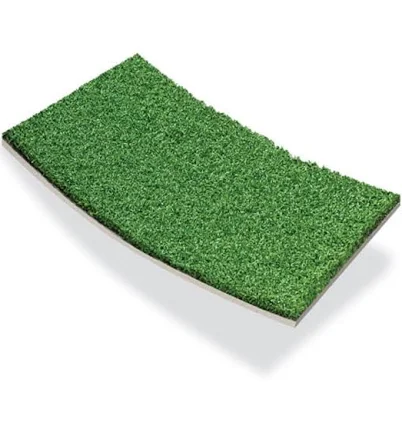
34 Oz Padded Gym Artificial Turf
Lower concern. Artificial turf typically uses base polymers without intentional PFAS.
The base polymer turf is unlikely to contain PFAS unless waterproofed. Domo makes no PFAS claims or offers public certifications.
We flunk more products than we pass. This one earned its grade. How we grade
Material
polyethylene turf fibers, polypropylene backing
Brand disclosure
Brand is silent on PFAS
Lab data
No public lab test
You may also be interested in
Top-graded picks in the categories readers replace first, every one scored on the same rubric.

- polypropylene filter housing, carbon/sediment cartridge
- We found no PFAS statement from the brand
- Bacterial growth in spent cartridges
3 hazards checked on this product, all on its full breakdown.

Aquasure
Premier Series 75 GPD Under Sink Reverse Osmosis Water Filtration System
- RO membrane, carbon filters, stainless steel housing
- We found no PFAS statement from the brand
- Bacterial and microbial growth in housing and filters
4 hazards checked on this product, all on its full breakdown.

Avocado
Vegan Mattress
- organic cotton, natural latex, coconut coir, recycled steel coils
- The brand calls it PFAS-free, which we have not verified
- Heavy metals
2 hazards checked on this product, all on its full breakdown.
What 34 Oz Padded Gym Artificial Turf is made of, ingredients and materials
This product uses polyethylene (PE) fibers bonded to a polypropylene (PP) backing, the industry standard for synthetic sports turf. Neither material intentionally contains PFAS, but both are thermoplastic polymers that can off-gas volatile organic compounds (VOCs), particularly when new or exposed to heat and UV. The 34 oz weight indicates a denser pile, which may trap more dust and require more frequent cleaning. Infill materials (sand, rubber crumb, or other additives) are not specified here and can introduce separate contaminants if sourced from recycled tires or contaminated sand.
What’s concerning
Category baseline
The starting point for this type of product, before anything specific to this product is counted.
No PFAS disclosure
No public statement from the brand about PFAS in this product.
VOC off-gassing from polyethylene and polypropylene
New polyethylene and polypropylene turf can release volatile organic compounds, particularly in the first weeks and under UV exposure or heat. No specific VOC profile testing for this product is publicly available; ventilation during and after installation is prudent.
Infill material contamination (unspecified)
The product listing does not specify infill composition (sand, rubber crumb, cork, or other). If recycled rubber crumb is used without quality certification, it may contain heavy metals or residual contaminants; confirm infill source with the manufacturer or supplier before installation.
Backing degradation and fiber shedding
Polypropylene backing degrades under prolonged UV and mechanical stress, releasing small fibers and particles. This is a known limitation of budget-tier synthetic turf; replacement is typically necessary at 8 to 12 years.
Bacterial and mold growth in moisture-prone conditions
Dense turf (34 oz) can retain moisture if drainage is poor, creating conditions for bacterial or fungal growth, particularly in humid or indoor gym environments. Regular cleaning and adequate airflow underneath are essential.
What’s reassuring
Base material not linked to PFAS
The main material recorded for this product is not one associated with PFAS.
Formaldehyde / VOCs
No public disclosure from Domo indicates the presence of formaldehyde-releasing binders or brominated flame retardants in the backing. Standard PP backing does not require these additives, but clarification from the manufacturer is advisable if this is a concern.
Source, ATSDR ↗How is this PFAS grade calculated?
The brand's record and disclosure
The brand maintains a silent public stance on PFAS, safety certifications, and material sourcing transparency. No major recalls or controversies appear in public records for this brand or product line. The company does not publicly advertise third-party testing (e.g., ISO, SCS, or ASTM certification) for VOC emissions or infill safety, which is common across the artificial turf industry but leaves end-users unable to verify off-gassing profiles or additive contents before installation.
How it compares in its category
Artificial turf products in this weight range are typical for residential or light commercial gym use. Most competitors (FieldTurf, Act Global, AstroTurf) similarly do not disclose infill composition or VOC testing publicly unless specifically requested. PE and PP backings are less durable than polyurethane systems but significantly cheaper; this product sits in the mid-market segment with expected lifespan of 8 to 12 years under moderate use. Ventilation concerns are standard across the category, not unique to Domo.
If you buy it
Unroll and air the turf outdoors for 48 to 72 hours before installation to allow initial VOC off-gassing. Ensure the installation space has adequate cross-ventilation, especially in gyms or small enclosed areas. Inspect backing and seams for tears or degradation every 6 to 12 months, particularly in high-traffic zones; UV exposure and mechanical wear will compromise structural integrity over time. Clean the surface regularly with mild soap and water to reduce dust accumulation; do not pressure wash at over 60 psi as this can separate fibers from the backing.
What is not known about PFAS in this product?
- Basis
- Model estimate, 72% confidence, not a lab result
- Lab test
- None on record for this exact product
- Brand statement
- has made none
Formulations change between production runs, so check the current label. How we grade.
More artificial turf grades
How we score, every product runs through the same public 0-100 rubric based on materials, coatings, brand disclosure, lab findings, and recalls. See the full methodology → Spotted a mistake? Report an error.