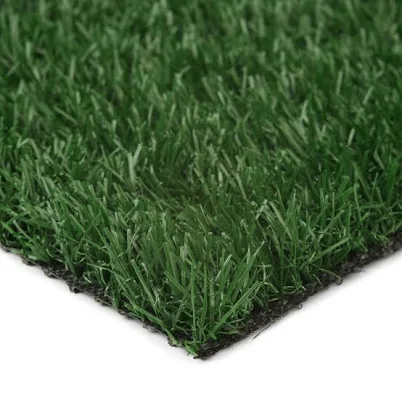
FloorEXP Event Synthetic Grass Roll
Synthetic grass fiber lacks typical PFAS indicators. Brand silent on PFAS.
FloorEXP synthetic turf has no known Teflon-family coating or water-repellent coatings disclosed. No public PFAS concerns or testing data exist for this product line.
We flunk more products than we pass. This one earned its grade. How we grade
Material
synthetic polypropylene/polyethylene grass fibers
Brand disclosure
Brand is silent on PFAS
Lab data
No public lab test
You may also be interested in
Top-graded picks in the categories readers replace first, every one scored on the same rubric.

- polypropylene filter housing, carbon/sediment cartridge
- We found no PFAS statement from the brand
- Bacterial growth in spent cartridges
3 hazards checked on this product, all on its full breakdown.

Aquasure
Premier Series 75 GPD Under Sink Reverse Osmosis Water Filtration System
- RO membrane, carbon filters, stainless steel housing
- We found no PFAS statement from the brand
- Bacterial and microbial growth in housing and filters
4 hazards checked on this product, all on its full breakdown.

Avocado
Vegan Mattress
- organic cotton, natural latex, coconut coir, recycled steel coils
- The brand calls it PFAS-free, which we have not verified
- Heavy metals
2 hazards checked on this product, all on its full breakdown.
What FloorEXP Event Synthetic Grass Roll is made of, ingredients and materials
FloorEXP uses polypropylene and polyethylene fibers, thermoplastic polymers chosen for durability and weather resistance in outdoor/event settings. These materials themselves are relatively stable, but the manufacturing process typically involves additives, flame retardants (to meet safety codes for event venues), UV stabilizers, and colorants. The backing layer, often polypropylene or polyester mesh, may contain additional chemical treatments. Synthetic turf durability depends on these additives, but they can off-gas, particularly in heat or high-traffic scenarios.
What’s concerning
Category baseline
The starting point for this type of product, before anything specific to this product is counted.
No PFAS disclosure
No public statement from the brand about PFAS in this product.
Flame retardants
Synthetic grass for events typically includes halogenated or non-halogenated flame retardants to meet venue fire codes. Domo does not disclose which class. Potential for skin contact and inhalation, especially if fibers shed or backing deteriorates.
Source, EPA ↗Volatile organic compound (VOC) off-gassing
Polypropylene and polyethylene with dyes, UV stabilizers, and processing aids can release VOCs, particularly in warm or high-traffic conditions. No third-party VOC test data from Domo is publicly available. Risk is moderate in well-ventilated outdoor settings, higher in enclosed venues.
Colorant and pigment leaching
Synthetic grass fibers are dyed to simulate natural grass. If backing or fibers degrade through UV exposure or mechanical wear, dyes can leach into soil or groundwater. Domo does not specify if pigments are heavy-metal-free (e.g., lead, cadmium in some older synthetic turf formulations).
Microplastic fiber shedding
Synthetic grass naturally sheds microfibers during installation, use, and breakdown. This is a known category-wide issue, not brand-specific. Shedding increases with foot traffic and UV exposure. No data on Domo's specific shedding rate or fiber durability relative to competitors.
Backing adhesive or coating off-gassing
The backing layer may use polyurethane adhesives or latex coatings to bond fibers. These can emit formaldehyde or other VOCs. Domo does not disclose backing adhesive type or testing. Risk is highest in sealed or warm environments.
What’s reassuring
Base material not linked to PFAS
The main material recorded for this product is not one associated with PFAS.
How is this PFAS grade calculated?
The brand's record and disclosure
Domo Sports Grass maintains a professional sports-equipment profile but does not publicly disclose detailed chemical composition, manufacturing certifications (e.g., Oeko-Tex, GreenGuard), or third-party testing for volatile organic compounds. No major safety recalls for this specific product are on record. The brand's silence on PFAS and other additive transparency suggests limited independent verification of chemical safety, which is common in synthetic turf manufacturing but limits consumer confidence.
How it compares in its category
Event synthetic grass rolls occupy a middle ground, cheaper and more durable than natural turf, but less chemically transparent than premium brands (e.g., those certified by FIFA or Cradle to Cradle). Most synthetic grass in this price and application tier includes flame retardants and UV packages without detailed disclosure. FloorEXP is typical for its category in lacking granular safety data; premium alternatives often provide third-party test reports.
If you buy it
Ensure adequate ventilation during and after installation, especially in enclosed venues, to minimize VOC inhalation. Avoid prolonged contact with high heat or direct flame. Inspect fibers regularly for wear, degradation, or shedding, and replace sections if backing or fibers show visible breakdown (which accelerates leaching of colorants and additives). Clean with water and mild soap; avoid harsh solvents that can degrade the polymer matrix and increase chemical release.
What is not known about PFAS in this product?
- Basis
- Model estimate, 62% confidence, not a lab result
- Lab test
- None on record for this exact product
- Brand statement
- FloorEXP has made none
Formulations change between production runs, so check the current label. How we grade.
More artificial turf grades
How we score, every product runs through the same public 0-100 rubric based on materials, coatings, brand disclosure, lab findings, and recalls. See the full methodology → Spotted a mistake? Report an error.