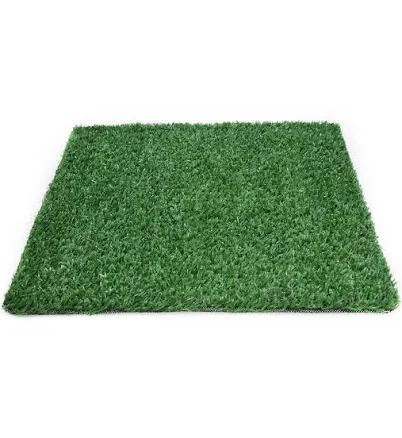
SeeGreen 5 ft. W X 7 ft. L Green Polypropylene Astroturf
Lower concern; polypropylene rarely requires PFAS, but no brand disclosure on treatments.
SeeGreen's polypropylene astroturf base isn't inherently linked to PFAS manufacturing. However, the brand remains silent on whether backing, adhesive, or durability treatments contain PFAS.
We flunk more products than we pass. This one earned its grade. How we grade
Material
Polypropylene (PP) astroturf
Brand disclosure
Brand is silent on PFAS
Lab data
No public lab test
You may also be interested in
Top-graded picks in the categories readers replace first, every one scored on the same rubric.

- polypropylene filter housing, carbon/sediment cartridge
- We found no PFAS statement from the brand
- Bacterial growth in spent cartridges
3 hazards checked on this product, all on its full breakdown.

Aquasure
Premier Series 75 GPD Under Sink Reverse Osmosis Water Filtration System
- RO membrane, carbon filters, stainless steel housing
- We found no PFAS statement from the brand
- Bacterial and microbial growth in housing and filters
4 hazards checked on this product, all on its full breakdown.

Avocado
Vegan Mattress
- organic cotton, natural latex, coconut coir, recycled steel coils
- The brand calls it PFAS-free, which we have not verified
- Heavy metals
2 hazards checked on this product, all on its full breakdown.
What SeeGreen 5 ft. W X 7 ft. L Green Astroturf is made of, ingredients and materials
This product is polypropylene (PP) fibers on a PP or polyethylene backing, typically adhered with polyurethane or latex. Polypropylene is a thermoplastic that resists moisture and many chemicals, which is why it's chosen for outdoor turf. However, PP degrades under UV exposure over time, and the adhesives binding fibers to backing can off-gas volatile organic compounds (VOCs) initially and break down after years of sun and temperature cycling. The backing layer and any infill materials (sand, rubber granules from recycled tires) are the main contamination vectors.
What’s concerning
Category baseline
The starting point for this type of product, before anything specific to this product is counted.
No PFAS disclosure
No public statement from the brand about PFAS in this product.
VOC off-gassing from polyurethane or latex adhesive
Initial installation may release odors and low-level VOCs over the first weeks indoors or in poorly ventilated enclosures. Outdoor use minimizes exposure. No brand data on adhesive type or off-gassing limits is publicly available.
Polypropylene UV degradation and microplastic shedding
PP fibers break down under sun, especially in high-heat climates, releasing microplastics into soil and groundwater over 7-10 years. Rate varies by UV index and product thickness, but is inherent to the material and cannot be fully prevented.
Backing adhesive failure and fiber separation
Polyurethane adhesives commonly fail after 5-8 years of temperature cycling and moisture exposure, leading to fiber pull-out and potential ingestion risk for small children or pets playing on degraded turf.
Infill contamination (if rubber granules used)
Recycled tire rubber infill can shed heavy metals (zinc, cadmium) and microplastics, particularly under heat and friction. AstroTurf does not specify approved infill types for this model, creating user risk if low-quality recycled rubber is chosen.
Mold and bacterial growth in damp backing layers
If installed on sealed or poorly draining base, moisture retention under the PP backing can foster mold and mildew. No brand-specific antimicrobial treatment is disclosed for this product.
What’s reassuring
Base material not linked to PFAS
The main material recorded for this product is not one associated with PFAS.
How is this PFAS grade calculated?
The brand's record and disclosure
AstroTurf is the original artificial turf brand with long market history, but the company provides no public toxicology data, certifications (e.g., Green Label Plus, GREENGUARD), or transparency on adhesive composition, backing materials, or infill recommendations for this specific 5x7 product line. No major recalls or health complaints tied to this exact model are established in public records. Lack of disclosure is the primary concern rather than evidence of unsafe design.
How it compares in its category
Polypropylene astroturf is mid-range in durability (typically 7-10 years before noticeable degradation versus 10-15 years for premium nylon products). PP is lighter and less expensive than nylon but more prone to matting and UV fading. Many competitors now offer third-party certification or infill safety data; AstroTurf's silence on these is a relative weakness. Recycled rubber infill products from any manufacturer carry microplastic shedding concerns during use, especially in high-traffic zones or heat.
If you buy it
Install on a permeable base (not sealed concrete) to allow water drainage and avoid bacterial growth or mold underneath. Keep away from heat sources (grills, direct flame) as PP softens around 150°C. Rinse regularly with water to reduce dust and particulate accumulation; do not use harsh solvents. Inspect seams and backing annually for separation or adhesive breakdown; replacement is warranted if backing is visibly degraded or fibers pull free easily. If using infill, verify it does not contain lead or asbestos (older recycled rubber products), and minimize barefoot contact if infill contains microplastics.
What is not known about PFAS in this product?
- Basis
- Model estimate, 72% confidence, not a lab result
- Lab test
- None on record for this exact product
- Brand statement
- AstroTurf has made none
Formulations change between production runs, so check the current label. How we grade.
More artificial turf grades
How we score, every product runs through the same public 0-100 rubric based on materials, coatings, brand disclosure, lab findings, and recalls. See the full methodology → Spotted a mistake? Report an error.