By PFAS Authority · Updated September 23, 2026
Top grades to buy

Aisle
Super Hipster
APEC Water Systems
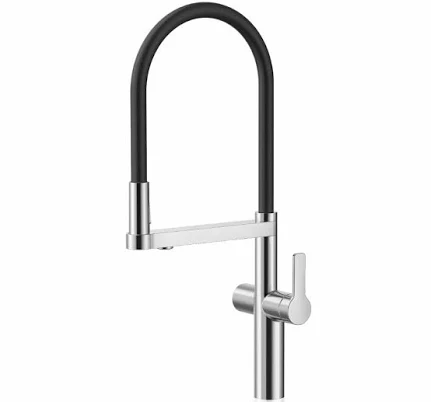
APEC 2-in-1 Pull-Down Kitchen Faucet

Aquasure
Premier Series 75 GPD Under Sink Reverse Osmosis Water Filtration System
Model-based grades, not lab tests. We flunk more than we pass. How grading works
Do Forever Chemicals in Tap Water Affect Fertility in 2026?
New reporting this week is pushing an uncomfortable question into kitchens and bathrooms across the country, could the water coming out of your tap be making it harder to conceive? According to 7NEWS (April 12, 2026), couples trying to start a family are being urged to filter their tap water after research linked PFAS, the so-called "forever chemicals", to reduced fertility.
This isn't an isolated concern. PFAS Authority's own scoring of 11,218 products found that 41% fail our PFAS and toxin screen, a reminder that these chemicals show up far beyond drinking water, in cookware, outdoor gear, and everyday household items. You can check specific products yourself using our product finder.
What Did the Report Actually Say?
The 7NEWS report cites emerging science suggesting an association between PFAS exposure and fertility difficulties in couples trying to conceive. PFAS, per- and polyfluoroalkyl substances, are a family of thousands of synthetic chemicals used for decades to make products resistant to water, stains, and heat. They're called "forever chemicals" because they don't break down naturally and can persist in the environment, water supplies, and the human body for years.
The article urges couples to consider filtering their tap water as a precaution while researchers continue to study the links between PFAS exposure and reproductive health. It's important to be precise here, the evidence describes an association, not a proven cause-and-effect relationship. Scientists are still working to understand exactly how PFAS may interact with hormones, egg and sperm quality, and pregnancy outcomes.
Who Is Affected?
In theory, anyone drinking tap water in an area where PFAS contamination has been detected could be exposed, but the concern highlighted in this report is specifically aimed at couples actively trying to conceive, given the fertility-related associations being studied. That said, PFAS exposure isn't limited to water. These chemicals are widely used in.
- Non-stick cookware coatings
- Waterproof and weather-resistant outdoor gear
- Stain-resistant fabrics and carpets
- Some food packaging
This is where our own data becomes relevant. PFAS Authority's scoring shows entire product categories with alarmingly high failure rates, camping tents and tarps (100% of 316 products scored fail), rain jackets (100% of 74), cycling rain jackets (100% of 72), sleeping bags (100% of 15), and softshell jackets (100% of 15). These aren't small sample sizes, they suggest PFAS use is still standard practice across much of the outdoor gear industry, despite growing public concern.
We should be clear about our methodology, these scores come from analyzing published ingredients, materials, certifications, and manufacturer disclosures, not from independent laboratory testing of each item. You can read exactly how we do this on our methodology page.
Why Does This Matter for Everyday Consumers?
Fertility is a deeply personal and often stressful journey, and news linking common household chemicals to reproductive difficulties understandably raises alarm. But it also highlights a broader transparency problem, many brands simply don't disclose whether their products contain PFAS at all.
According to PFAS Authority's tracking, brands including Cuisinart, The North Face, MAC, Calphalon, T-fal, Nike, Columbia, and Adidas currently disclose nothing about PFAS in their products. That doesn't necessarily mean every item they sell contains these chemicals, but it does mean consumers have no way to verify one way or the other without independent scoring or testing.
This lack of disclosure matters because PFAS exposure is cumulative. It's not just about one glass of water or one jacket, it's about the sum of many small exposures across water, food packaging, cookware, and clothing over months and years.
What Can Couples and Households Do Now?
While there's no need for panic, taking sensible precautions is reasonable given the current state of the science. Consider the following steps.
- Filter your tap water. Certain water filters, particularly those using activated carbon or reverse osmosis technology, can reduce PFAS levels. Check filter certifications carefully, as not all filters are designed to remove PFAS.
- Check your local water quality reports. Many water utilities publish PFAS testing results; contact your local provider if you can't find this information.
- Review your cookware and outdoor gear. Use our product finder to check whether specific brands and items score as lower concern or higher concern for PFAS content.
- Don't assume "waterproof" or "non-stick" is automatically a red flag. Some manufacturers have shifted to PFAS-free alternatives, but you need to check, since the label alone often won't tell you.
- Talk to a healthcare provider if you have specific fertility concerns. This article is general consumer information, not medical advice.
Bottom Line
Reporting from 7NEWS this week has renewed calls for couples trying to conceive to filter their tap water, citing an association between PFAS exposure and fertility challenges. While the science is still developing and causation hasn't been proven, the precaution is a reasonable one given how widespread PFAS remains, not just in water, but in cookware, outdoor gear, and clothing. PFAS Authority's own scoring of 11,218 products found 41% fail our PFAS and toxin screen, with entire categories like tents, rain jackets, and sleeping bags showing 100% failure rates. Until stronger regulation and disclosure requirements catch up, informed label-reading and independent scoring remain a consumer's best tools.
Frequently Asked Questions
Does PFAS in tap water definitely cause fertility problems?
No. Current research shows an association between PFAS exposure and certain fertility difficulties, but it has not been proven as a direct cause. Scientists are continuing to study the mechanisms involved.
Will a home water filter make my tap water "PFAS-free"?
Not necessarily. Some filters, particularly activated carbon and reverse osmosis systems, can meaningfully reduce PFAS levels, offering lower concern water, but effectiveness varies by product and filter maintenance. Always check the filter's specific certifications for PFAS reduction.
How does PFAS Authority score products for PFAS content?
Scores are based on an analysis of published ingredients, materials, certifications, and brand disclosures rather than independent laboratory testing. Full details are available on our methodology page, and specific product scores can be checked via our product finder.
What else we were tracking around this
- Sep 23, 2026Why Does 1 in 6 People Face Infertility in 2023, And Could Everyday PFAS Exposure Be a Factor?
- Sep 23, 2026Does Tap Water Contain Fertility-Harming Forever Chemicals in 2026?
- Sep 22, 2026PFAS at Pease, Will the Air Force Finally Act on New Hampshire's Contamination?
- Sep 22, 2026How Can You Lower Your PFAS Exposure in 2026?
The latest PFAS news is updated daily.
Now check your own stuff
Search anything you own and get its PFAS grade in seconds.
Get the graded list, free
The products we score each week, and the best-graded alternative in every category.
No spam. Unsubscribe anytime.