By PFAS Authority · Updated September 27, 2026
Top grades to buy

Aisle
Super Hipster
APEC Water Systems
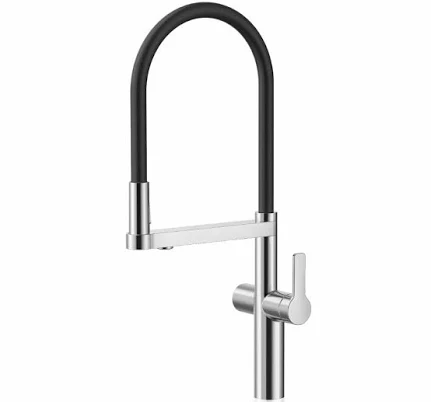
APEC 2-in-1 Pull-Down Kitchen Faucet

Aquasure
Premier Series 75 GPD Under Sink Reverse Osmosis Water Filtration System
Model-based grades, not lab tests. We flunk more than we pass. How grading works
Is There PFAS in Your Workout Clothes? What the Lululemon Investigation Means for You in 2026
If you've ever wondered why your leggings don't pill after a hundred washes, or why your rain shell shrugs off a downpour, the answer may be chemistry you didn't ask for. The Texas attorney general has opened an investigation into whether Lululemon's clothing contains PFAS, a large family of synthetic compounds nicknamed "forever chemicals" because they barely break down in the environment or the human body. Here's what's actually going on, and what it means for your closet.
What happened?
According to Health.com, Texas's attorney general is investigating whether Lululemon products contain PFAS, despite the brand's marketing around performance fabrics and moisture-wicking technology. The probe is in its early stages, and no findings of wrongdoing have been announced. But the inquiry has reignited a question consumers have been asking for years, why would "forever chemicals", more commonly associated with nonstick pans and firefighting foam, show up in workout clothes at all?
The short answer is performance. PFAS chemicals are prized by manufacturers because they repel water, oil, and stains, and they can make fabric feel smoother or more durable. That's useful in a rain jacket or a sweat-wicking legging, but it also means the same chemistry engineered to resist water can persist in fabric fibers, and potentially transfer to skin, dust, or waterways, long after the item leaves the store.
Who and what is affected?
This investigation centers on Lululemon, but the apparel industry's PFAS problem is far from a single-brand issue. PFAS Authority's own scoring of 11,218 products found that 41% failed its PFAS and toxin screen. Certain outdoor and performance categories fared far worse than average, 100% of the 316 camping tents and tarps scored failed, along with 100% of rain jackets (74 scored), 100% of cycling rain jackets (72 scored), 100% of sleeping bags (15 scored), and 100% of softshell jackets (15 scored).
It's worth being clear about methodology here, these scores come from PFAS Authority's review of published ingredient lists, material disclosures, and certifications, not from independent laboratory testing of the garments themselves. That's an important distinction, because a number of major brands simply don't disclose much of anything about PFAS use in their products. Cuisinart, The North Face, MAC, Calphalon, T-fal, Nike, Columbia, and Adidas are among the companies that currently offer little to no public disclosure on PFAS, according to PFAS Authority's tracking. Silence isn't proof of contamination, but it does make it harder for shoppers to know what they're buying.
Why does this matter for your health?
PFAS exposure has been associated in scientific studies with a range of health concerns, including changes in cholesterol levels, immune response, thyroid function, and some cancers, according to the U.S. Environmental Protection Agency and the Agency for Toxic Substances and Disease Registry. It's important to underline that these are associations observed in research, not proof that any single product or exposure causes a specific illness. Clothing is also generally considered a smaller exposure pathway than drinking water or food packaging, since PFAS in fabric is less likely to be absorbed through skin than to be ingested. Still, health researchers note that repeated, everyday contact with treated fabrics, plus the way washing sheds fibers into wastewater, adds another route by which these persistent chemicals circulate through homes and the environment.
For parents, athletes, and anyone who wears performance fabrics for hours at a time, the concern isn't a single item of clothing, it's cumulative exposure across a wardrobe, a kitchen, and a bathroom cabinet that may all contain PFAS-treated products.
What should you do right now?
You don't need to panic-purge your closet, but a few practical steps can lower your exposure.
- Look for explicit "PFAS-free" labeling on water-resistant or stain-resistant apparel, and treat vague marketing terms like "advanced fabric technology" with healthy skepticism.
- Prioritize categories with the worst track record. Based on PFAS Authority's data, rain jackets, tents, tarps, sleeping bags, and softshell jackets are the categories most likely to fail a PFAS screen, so scrutinize those purchases first.
- Wash new performance gear before first wear and follow care labels, since some coatings shed over time and through laundering.
- Check specific products before buying using a tool like PFAS Authority's product finder, which lets you search individual items rather than relying on brand reputation alone.
- Understand how scores are built by reviewing PFAS Authority's methodology, so you know exactly what "pass" and "fail" mean in this context.
Bottom Line
The Texas investigation into Lululemon is a reminder that "forever chemicals" aren't confined to nonstick pans, they show up in the fabrics we wear to the gym, the trail, and the rain. No apparel brand should be called flatly "safe" from PFAS; at best, based on current disclosures, some products can be described as lower concern than others. With 41% of scored products failing PFAS Authority's screen, and entire categories like tents and rain jackets failing at 100%, the safest approach for now is to check before you buy, favor brands that disclose ingredients and certifications, and treat vague performance marketing with caution.
Frequently Asked Questions
Is Lululemon confirmed to have PFAS in its clothing?
No. As of this reporting, Texas's attorney general has opened an investigation, but no findings have been confirmed. This is not a determination of guilt or violation.
Are PFAS in clothing as risky as PFAS in drinking water?
Not necessarily. Researchers generally consider ingestion (through water or food) a more direct exposure route than skin contact with treated fabric, though scientists continue to study how much fabric-based PFAS contributes to overall body burden.
How can I check if a specific clothing item might contain PFAS?
You can search individual products using PFAS Authority's finder tool, which draws on published ingredient, material, and certification data described in our methodology.
What else we were tracking around this
- Sep 28, 2026Is Your Drinking Water Safe From ‘Forever Chemicals’ in 2026? What Pennsylvania’s Sludge Crisis Means for You
- Sep 28, 2026How to Get PFAS Out of Your Drinking Water, a Reader Question Answered
- Sep 27, 2026Are PFAS Pesticides Contaminating California’s Water in 2026, and What Can You Do About It?
- Sep 27, 2026Did the EPA Just Approve More “Forever Chemical” Pesticides in 2026, And What Does It Mean for Your Food?
The latest PFAS news is updated daily.
Now check your own stuff
Search anything you own and get its PFAS grade in seconds.
Get the graded list, free
The products we score each week, and the best-graded alternative in every category.
No spam. Unsubscribe anytime.