By PFAS Authority · Updated September 27, 2026
Top grades to buy

Aisle
Super Hipster
APEC Water Systems
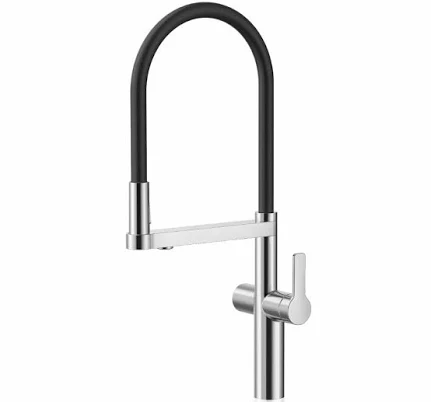
APEC 2-in-1 Pull-Down Kitchen Faucet

Aquasure
Premier Series 75 GPD Under Sink Reverse Osmosis Water Filtration System
Model-based grades, not lab tests. We flunk more than we pass. How grading works
Are PFAS Pesticides Contaminating California’s Water in 2026, and What Can You Do About It?
A new analysis from the Environmental Working Group (EWG) has found that PFAS-based pesticides are turning up widely in California’s agricultural waterways, raising fresh questions about how “forever chemicals” move from farm fields into the water supply, and eventually into everyday life. Here’s what the findings mean, who’s affected, and what you can do while regulators sort out next steps.
What Did the EWG Analysis Find?
According to Innovation News Network’s report on the analysis, EWG reviewed water-quality data from California’s agricultural regions and found that pesticides containing or breaking down into PFAS compounds are showing up broadly across the state’s waterways. The source describes the contamination as “alarming,” pointing to a pattern in which PFAS pesticides, chemicals used to control crop pests that contain fluorinated compounds, are persisting in surface water linked to farmland runoff. As with other PFAS pollution, the concern is that these substances don’t break down easily in the environment, meaning they can accumulate over time in soil, water, and eventually the food chain.
It’s worth noting that pesticides are just one of many pathways PFAS take into daily life. PFAS Authority’s own scoring of 11,218 products across categories like cookware, apparel and outdoor gear finds that 41% fail its PFAS and toxin screen, a reminder that these chemicals show up far beyond the farm. You can see how specific products score using our product finder.
Who and What Is Affected?
The waterways in question run through California’s major agricultural regions, which supply a large share of the nation’s produce. That means the potential exposure pathway isn’t limited to Californians, it can extend to anyone who eats fruits, vegetables, and other crops grown using water drawn from these systems. Farmworkers and rural communities near treated fields may also face more direct and frequent exposure through irrigation runoff, groundwater, and nearby drinking-water sources, according to the reporting.
Aquatic wildlife is another concern. PFAS compounds that accumulate in waterways can be taken up by fish and other organisms, a pattern regulators have documented in other PFAS-contaminated water bodies across the country.
Why Does This Matter for Consumers?
PFAS chemicals have been associated in scientific studies with a range of health concerns, including effects on the immune system, cholesterol levels, and certain hormone functions, though researchers describe these as associations observed in populations with elevated exposure, not proof that any specific product or exposure causes a particular illness in an individual. Because PFAS pesticides can persist in soil and water long after application, contamination isn’t a one-time event; it can affect water and crops for years.
This case also highlights a broader pattern PFAS Authority has tracked across consumer goods, PFAS are used because they’re effective, as stain repellents, waterproofing agents, or, in this case, pest-control aids, but that same chemical stability is what allows them to linger in the environment and the body. Our category-level scoring illustrates how widespread this trade-off is. For example, we found 100% of scored camping tents & tarps, rain jackets, cycling rain jackets, sleeping bags, and softshell jackets failed our PFAS and toxin screen. These scores are based on our review of published ingredients, materials, certifications, and manufacturer disclosures, not laboratory testing, a methodology explained in full on our methodology page.
Transparency gaps compound the problem. Brands including Cuisinart, The North Face, MAC, Calphalon, T-fal, Nike, Columbia, and Adidas currently disclose nothing about PFAS use in their products, according to PFAS Authority’s research, making it difficult for shoppers to know what they’re buying regardless of category.
What Can You Do Right Now?
While regulators and agricultural agencies evaluate the EWG findings, there are practical steps consumers can take.
- Check your water source. If you live near California’s agricultural regions or rely on a private well, consider requesting local water-quality testing or reviewing your water utility’s consumer confidence report.
- Use a certified water filter. Filters certified to reduce PFAS (look for NSF/ANSI 53 or 58 certification for PFAS reduction) can help lower, though not eliminate, potential exposure at the tap.
- Wash produce thoroughly. This won’t remove PFAS absorbed internally by plants, but it’s a reasonable general food-safety habit.
- Choose lower-concern products where you can. For everyday goods like cookware and outdoor gear, use tools like PFAS Authority’s product finder to compare options and favor brands with clearer disclosures.
- Support disclosure. Consumer pressure and state-level reporting requirements have historically pushed manufacturers toward more transparency about PFAS use.
Bottom Line
EWG’s analysis adds California’s agricultural waterways to the growing list of PFAS exposure pathways beyond the consumer products most shoppers already worry about. No official body has declared these waterways “safe” or “unsafe” outright, the picture is still developing, but the findings reinforce a pattern PFAS Authority sees across product categories, PFAS are persistent, widespread, and often under-disclosed. Until stronger regulation and labeling requirements catch up, informed choices, at the tap, in the grocery aisle, and in the products you buy, remain the most practical tool consumers have.
FAQ
Does this mean California produce is unsafe to eat?
The EWG analysis, as reported, focuses on waterway contamination rather than testing specific food products. There’s no direct claim that produce is unsafe; rather, the findings raise questions about a potential exposure pathway that researchers and regulators are still evaluating.
How is this related to PFAS in consumer products like cookware or jackets?
Pesticide contamination and product-based PFAS exposure are separate pathways, but both stem from the same class of persistent chemicals. PFAS Authority’s scoring, based on published ingredients, materials, and disclosures rather than lab testing, shows how common PFAS use still is across categories like rain jackets and cookware, illustrating the scale of the broader PFAS issue.
What should I do if I’m concerned about my drinking water?
Consider requesting local water-quality data from your utility, testing a private well if applicable, and using a filter certified to reduce PFAS. This article is for general consumer information and isn’t a substitute for medical or legal advice.
What else we were tracking around this
- Sep 28, 2026How to Get PFAS Out of Your Drinking Water, a Reader Question Answered
- Sep 27, 2026Is There PFAS in Your Workout Clothes? What the Lululemon Investigation Means for You in 2026
- Sep 27, 2026Did the EPA Just Approve More “Forever Chemical” Pesticides in 2026, And What Does It Mean for Your Food?
- Sep 26, 2026Can New PFAS Destruction Technology Actually Protect You?
The latest PFAS news is updated daily.
Now check your own stuff
Search anything you own and get its PFAS grade in seconds.
Get the graded list, free
The products we score each week, and the best-graded alternative in every category.
No spam. Unsubscribe anytime.