By PFAS Authority · Updated September 28, 2026
Top grades to buy

Aisle
Super Hipster
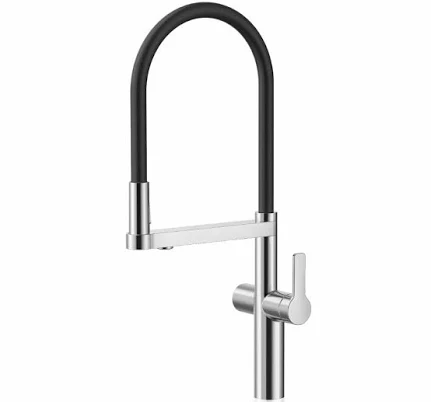
APEC Water Systems
APEC 2-in-1 Pull-Down Kitchen Faucet

Aquasure
Premier Series 75 GPD Under Sink Reverse Osmosis Water Filtration System
Model-based grades, not lab tests. We flunk more than we pass. How grading works
Is Your Drinking Water Safe From ‘Forever Chemicals’ in 2026? What Pennsylvania’s Sludge Crisis Means for You
For decades, farmers across rural Pennsylvania spread treated sewage sludge, known as biosolids, on their fields as a low-cost fertilizer. Now, according to a new investigation by Inside Climate News, that same sludge is turning up as a source of PFAS contamination in the drinking water wells that supply these communities. It's a story that reaches far beyond Pennsylvania, and it underscores just how deeply "forever chemicals" have worked their way into everyday American life. Separately, PFAS Authority's own scoring of 11,218 products finds that 41% fail its PFAS and toxin screen, a reminder that contamination isn't limited to water and soil, it shows up in the products people bring into their homes every day.
What Happened in Pennsylvania?
According to Inside Climate News, sewage sludge, the solid byproduct left over after wastewater treatment plants process human and industrial waste, has been applied to farmland in rural Pennsylvania for years under state and federal programs that classify treated biosolids as a beneficial fertilizer. The problem, reporters found, is that this sludge often contains PFAS chemicals that flow into wastewater systems from industrial discharges, household products, and firefighting foam runoff. Wastewater treatment doesn't remove PFAS, so the chemicals concentrate in the sludge and, when spread on fields, can migrate into soil and eventually into groundwater that feeds private drinking water wells.
Residents in affected townships described relying on well water for generations without knowing it might be contaminated, since PFAS has no taste, smell, or color. Testing has since found PFAS compounds in wells near fields where sludge was applied, according to the outlet's reporting.
Who and What Is Affected?
The people most directly affected are rural Pennsylvanians who depend on private wells rather than municipal water systems, since private wells are not subject to the same federal monitoring requirements as public water utilities. Farm families, in particular, face a double exposure, they may drink contaminated well water and also work land where PFAS has accumulated in soil, potentially affecting crops and livestock feed.
But the implications ripple outward. Biosolid application is a common agricultural practice in many states, not just Pennsylvania, and the U.S. Environmental Protection Agency has acknowledged that PFAS in sludge is a nationwide issue it is still working to regulate. Anyone living near farmland that has received sludge fertilizer, or anyone who buys food grown on such land, has a stake in how this story unfolds.
Why Does This Matter for Your Health?
PFAS, or per- and polyfluoroalkyl substances, are a large family of synthetic chemicals used for their water-, stain-, and grease-resistant properties. They break down extremely slowly in the environment, which is why they're nicknamed "forever chemicals." Federal health agencies, including the EPA and the Agency for Toxic Substances and Disease Registry, have identified associations between certain PFAS exposures and a range of health concerns, including changes in cholesterol levels, immune system effects, some cancers, and developmental effects in children. These are associations observed in population studies, not proof that PFAS caused any individual person's illness, and research into the full picture is ongoing.
What makes the Pennsylvania situation notable is the pathway, contamination isn't coming from an obvious industrial spill, but from a routine agricultural practice that regulators long considered safe. That's prompted growing calls, described in the Inside Climate News report, for stricter limits on PFAS in biosolids and better testing requirements before sludge is approved for farmland use.
What Can You Do About It?
If you rely on a private well, especially in an agricultural area, consider having your water tested for PFAS by a certified laboratory. State environmental agencies or local health departments can often point you toward accredited testing options. If PFAS is detected, point-of-use filters certified to reduce PFAS, such as those using activated carbon or reverse osmosis, can help lower exposure, though no filter eliminates every compound completely.
It's also worth remembering that drinking water is only one exposure route. PFAS shows up in household products, cookware, and outdoor gear, often without clear labeling. That's why PFAS Authority evaluates consumer products directly. Using our published methodology, we score items based on publicly available ingredient lists, material disclosures, and third-party certifications, not laboratory testing, to flag where PFAS-related chemistry is likely present. Some categories are particularly worth watching, our scoring found 100% of camping tents and tarps, rain jackets, cycling rain jackets, sleeping bags, and softshell jackets we evaluated failed our screen. We've also found that brands including Cuisinart, The North Face, MAC, Calphalon, T-fal, Nike, Columbia, and Adidas disclose nothing about PFAS in their products, making it harder for consumers to make informed choices. You can check specific products using our product finder before you buy.
Bottom Line
Sewage sludge spread on Pennsylvania farmland has become an unexpected pathway for PFAS to reach rural drinking water wells, according to Inside Climate News. While federal agencies continue to study the health associations linked to PFAS exposure, affected residents don't have to wait for final answers to start testing their water and reducing other sources of exposure at home. Given that PFAS Authority's own scoring found 41% of over 11,000 products fail our PFAS and toxin screen, this is a chemical family that touches far more of daily life than most people realize, making informed choices, wherever possible, a matter of lower concern rather than zero risk.
Frequently Asked Questions
Is sludge-based fertilizer banned because of PFAS contamination?
No nationwide ban exists. The EPA continues to evaluate PFAS risks from biosolids, and some states are considering tighter restrictions, but the practice remains legal in most places as of this reporting.
Can boiling water remove PFAS?
No. Boiling does not break down PFAS and may even concentrate it slightly as water evaporates. Filtration systems certified for PFAS reduction are a more effective approach.
How do I know if a product contains PFAS?
Many brands don't disclose PFAS use on labels. Tools like PFAS Authority's product finder, built on our published methodology using ingredient and material disclosures, can help you compare options before purchasing.
What else we were tracking around this
- Sep 29, 2026Do ‘Forever Chemicals’ Affect Fertility in 2023? What the New PFAS Study Means for You
- Sep 28, 2026Is Your Drinking Water Still Protected From PFAS in 2026? What EPA's Guidance Withdrawal Means for You
- Sep 28, 2026How to Get PFAS Out of Your Drinking Water, a Reader Question Answered
- Sep 27, 2026Is There PFAS in Your Workout Clothes? What the Lululemon Investigation Means for You in 2026
The latest PFAS news is updated daily.
Now check your own stuff
Search anything you own and get its PFAS grade in seconds.
Get the graded list, free
The products we score each week, and the best-graded alternative in every category.
No spam. Unsubscribe anytime.