By PFAS Authority · Updated September 26, 2026
Top grades to buy

Aisle
Super Hipster
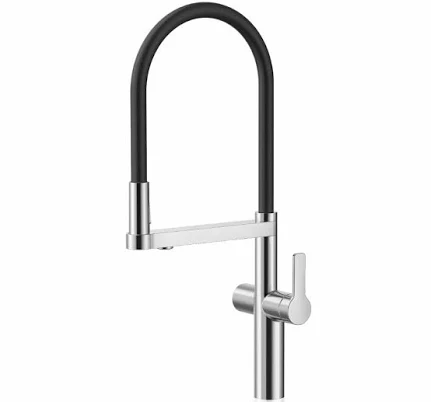
APEC Water Systems
APEC 2-in-1 Pull-Down Kitchen Faucet

Aquasure
Premier Series 75 GPD Under Sink Reverse Osmosis Water Filtration System
Model-based grades, not lab tests. We flunk more than we pass. How grading works
Can New PFAS Destruction Technology Actually Protect You in 2025?
A small-cap Canadian company just got a stock bump for progress on a machine that promises to destroy PFAS "forever chemicals" rather than just filter them out. That's genuinely interesting news, but if you're standing in a store aisle wondering whether your rain jacket, tent, or non-stick pan is loaded with these chemicals, a lab breakthrough years from commercial scale won't help you today. Here's what the news means, and what actually protects you right now.
What happened with Responsible Energy Corporation?
According to reporting from kalkine.ca, shares of Responsible Energy Corporation (TSXV:REH) rose 3.96% after the company's PFAS destruction technology gained what the outlet described as "validation momentum." In plain terms, the company is developing a process meant to break down per- and polyfluoroalkyl substances (PFAS), the class of synthetic chemicals used for their water, stain, and grease resistance, rather than simply capturing them and moving the problem elsewhere. Investors reacted positively, pushing the stock higher on the day.
This is one of a growing number of technology plays chasing the PFAS remediation market, as regulators worldwide tighten rules on how much of these chemicals can be released into water, soil, and consumer products. Destruction technologies, using heat, plasma, electrochemical oxidation, or other advanced methods, are seen as a more permanent fix than older approaches like activated carbon filtration, which trap PFAS but don't eliminate them.
Who is affected by this development?
Right now, the immediate audience is investors and industrial players, companies that operate landfills, wastewater treatment plants, firefighting foam stockpiles, and manufacturing sites contaminated with PFAS. Municipal water utilities facing new PFAS discharge limits are also watching this space closely, since destruction technology could eventually offer a cheaper, more complete way to meet compliance deadlines.
For everyday consumers, the effect is indirect, at least for now. A validated destruction technology could someday reduce PFAS entering waterways and reduce cleanup costs passed on to ratepayers. But it does nothing to remove PFAS already built into the products sitting in your closet, kitchen, or garage. That gap is where most consumer exposure actually happens.
Why does this matter to your household?
PFAS have earned the nickname "forever chemicals" because they resist breaking down naturally, accumulating in soil, water, and the human body over time. Health agencies have flagged associations, not proven causation, between certain PFAS exposures and effects such as changes in cholesterol levels, immune response, and other outcomes, according to bodies like the U.S. EPA and the Agency for Toxic Substances and Disease Registry. Research is ongoing, and not all PFAS compounds behave the same way.
What's often overlooked is how many everyday consumer products still rely on PFAS for water- or stain-resistance, long after the drinking-water conversation has grabbed headlines. PFAS Authority's own scoring of 11,218 products found that 41% fail its PFAS and toxin screen. Some categories are especially concerning, 100% of scored camping tents and tarps, rain jackets, cycling rain jackets, sleeping bags, and softshell jackets failed. These aren't fringe items, they're gear many households already own or are shopping for right now.
Importantly, PFAS Authority's scores are built from publicly available ingredient lists, material specifications, certifications, and manufacturer disclosures, not laboratory testing of physical samples. That means a "fail" often reflects the presence of disclosed fluorinated treatments or a lack of transparency, not a confirmed contamination level. Brands including Cuisinart, The North Face, MAC, Calphalon, T-fal, Nike, Columbia, and Adidas currently disclose nothing about PFAS in their products, according to PFAS Authority's research, making it impossible for shoppers to make an informed comparison from public information alone.
What can you actually do about it?
Waiting for industrial destruction technology to scale up isn't a practical strategy for reducing your own exposure today. Instead, focus on what you can control.
- Check before you buy. Look for "PFAS-free" labeling on outdoor gear, cookware, and textiles, and be skeptical of vague marketing terms like "eco" or "green" that don't specifically address fluorinated chemicals.
- Use independent screening tools. Because so many brands disclose little or nothing, third-party scoring can help fill the gap. You can search specific products using PFAS Authority's product finder to see how items compare before you buy.
- Understand how scores are built. Reviewing PFAS Authority's methodology helps you judge what a "fail" or "pass" actually means for a given product category.
- Prioritize high-risk categories. Given the 100% fail rates found in tents, tarps, rain jackets, and sleeping bags, treat these categories with extra scrutiny, especially for children's gear or items used frequently.
- Contact brands directly. If a brand doesn't disclose PFAS use, ask them. Consumer pressure has historically pushed manufacturers toward more transparency.
Bottom Line
Responsible Energy Corporation's stock move reflects investor optimism about industrial PFAS destruction technology, a potentially important tool for cleaning up contaminated water and soil over the long term. But it has no immediate bearing on the PFAS already present in many consumer products. With PFAS Authority's own scoring showing 41% of nearly 11,220 products failing its screen, and entire categories like tents and rain jackets failing at 100%, the more actionable step for consumers today is checking products before purchase rather than waiting on remediation breakthroughs.
Frequently Asked Questions
Does this news mean PFAS in products will disappear soon?
No. This development concerns industrial destruction of PFAS in waste streams, not the fluorinated chemicals already used in manufacturing consumer goods. Any effect on products would take years, if it materializes at all.
How does PFAS Authority determine which products "fail"?
Scores are based on published ingredient lists, material data sheets, certifications, and brand disclosures, not laboratory testing, as explained in PFAS Authority's methodology.
Are all PFAS chemicals equally concerning?
No. Different PFAS compounds vary in structure and studied health associations. Agencies generally describe outdoor gear and cookware with disclosed fluorinated treatments as warranting caution, while products with verified PFAS-free certifications carry lower concern.
What else we were tracking around this
- Sep 27, 2026Are PFAS Pesticides Contaminating California’s Water in 2026, and What Can You Do About It?
- Sep 27, 2026Did the EPA Just Approve More “Forever Chemical” Pesticides in 2026, And What Does It Mean for Your Food?
- Sep 26, 2026Is Your Huntsville Tap Water Safe From PFAS in 2026?
- Sep 26, 2026Perkasie's Water Is PFAS-Free After One Year, What Does That Mean for Your Tap?
The latest PFAS news is updated daily.
Now check your own stuff
Search anything you own and get its PFAS grade in seconds.
Get the graded list, free
The products we score each week, and the best-graded alternative in every category.
No spam. Unsubscribe anytime.