By PFAS Authority · Updated September 26, 2026
Top grades to buy

Aisle
Super Hipster
APEC Water Systems
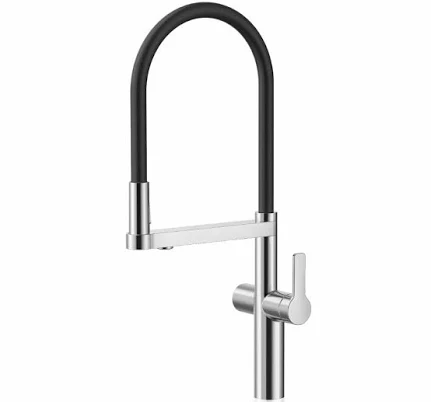
APEC 2-in-1 Pull-Down Kitchen Faucet

Aquasure
Premier Series 75 GPD Under Sink Reverse Osmosis Water Filtration System
Model-based grades, not lab tests. We flunk more than we pass. How grading works
Is Your Huntsville Tap Water Safe From PFAS in 2026?
Huntsville Utilities has filed a lawsuit against chemical manufacturers 3M and Daikin, alleging that so-called "forever chemicals" have contaminated the drinking water supply it delivers to homes and businesses across North Alabama, according to AL.com. The May 19, 2026 report says the utility is seeking to hold the companies financially responsible for contamination it did not create.
This lawsuit is part of a much bigger national pattern. Per-and polyfluoroalkyl substances (PFAS), nicknamed "forever chemicals" because they don't break down naturally, have been found in water systems, consumer products, and even human blood samples across the country. In fact, PFAS Authority's own scoring of 11,218 products found that 41% fail its PFAS and toxin screen, showing how widespread these chemicals are, not just in water, but in the goods people buy every day.
What Happened in Huntsville?
According to AL.com, Huntsville Utilities' lawsuit alleges that its drinking water source has been contaminated with PFAS chemicals, and that 3M and Daikin, both major manufacturers of PFAS-containing products, bear responsibility for the contamination. The utility joins a growing list of municipal water systems nationwide that have sued chemical manufacturers over PFAS contamination in recent years.
PFAS chemicals were historically used in firefighting foam, non-stick cookware coatings, water-resistant fabrics, and industrial manufacturing processes. Because they resist breakdown, they can migrate into soil and groundwater near manufacturing sites, airports, and military bases, eventually reaching public water supplies.
Who and What Is Affected?
Huntsville Utilities serves hundreds of thousands of customers in the Huntsville, Alabama metro area. If the lawsuit's allegations are accurate, residents who drink, cook with, or bathe in tap water supplied by the utility could have been exposed to PFAS chemicals for an extended period, though the lawsuit itself is focused on financial liability rather than a specific health claim about individual residents.
It's worth noting that PFAS contamination is not unique to Huntsville. The U.S. Environmental Protection Agency has identified PFAS in water systems across dozens of states, and similar lawsuits have been filed by utilities in other regions seeking to recover the costs of filtration upgrades and monitoring.
Why Does This Matter for Your Health?
Scientific research has associated exposure to certain PFAS compounds with a range of health effects, including changes in cholesterol levels, immune system responses, and, in some studies, increased risk of certain cancers. It's important to understand these are associations observed in population studies, not proof that PFAS exposure directly causes disease in any individual. Research is ongoing, and agencies like the EPA continue to update guidance as new data emerges.
The EPA has set enforceable limits for several PFAS compounds in drinking water in recent years, reflecting growing scientific and regulatory concern about even low-level, long-term exposure. Utilities like Huntsville's may face significant costs to install specialized filtration systems capable of removing PFAS from water supplies, which is often the underlying financial motivation behind lawsuits like this one.
What Should Huntsville Residents Do Now?
While a lawsuit works its way through the courts, there are practical steps concerned residents can consider.
- Check your utility's water quality reports. Huntsville Utilities, like most public water systems, is required to publish annual consumer confidence reports that may include PFAS testing results.
- Consider a home water filter. Filters certified to reduce PFAS, such as those using activated carbon or reverse osmosis technology, can lower levels in tap water, though effectiveness varies by product and filter type.
- Look beyond your water glass. PFAS exposure isn't limited to drinking water. Everyday products, including cookware, rain gear, and camping equipment, can also contain these chemicals. PFAS Authority's product finder can help you compare items and identify lower-concern options based on published ingredients, materials, and certifications.
- Stay informed on outdoor gear. PFAS Authority's scoring found particularly high failure rates in certain product categories, 100% of scored camping tents and tarps, rain jackets, cycling rain jackets, sleeping bags, and softshell jackets failed its screen. Several major brands, including Cuisinart, The North Face, MAC, Calphalon, T-fal, Nike, Columbia, and Adidas, currently disclose nothing about PFAS in their products, according to PFAS Authority's research.
It's important to understand how these scores are generated. PFAS Authority evaluates products based on publicly available ingredient lists, material disclosures, and certifications, not laboratory testing of physical samples. You can read more about this approach on the methodology page.
Bottom Line
Huntsville Utilities' lawsuit against 3M and Daikin reflects a broader national reckoning with PFAS contamination in public water systems. While litigation proceeds, no water supply exposed to PFAS can be flatly labeled "safe", instead, residents should think in terms of "lower concern" versus "higher concern" based on testing data and filtration measures. Staying informed about both your water and the products you bring into your home is a reasonable, proactive step.
Frequently Asked Questions
Does this lawsuit mean Huntsville's tap water is unsafe to drink?
The lawsuit alleges contamination exists, but it does not itself establish a specific safety verdict for all residents. Checking your local water quality report and considering EPA guidance can help you make an informed decision.
Can a home water filter fully remove PFAS?
Some filters, particularly those using activated carbon or reverse osmosis, can significantly reduce PFAS levels, but no filter is guaranteed to remove 100% of all PFAS compounds. Look for third-party certification specific to PFAS reduction.
Are PFAS chemicals only found in water?
No. PFAS are also used in many consumer products, including cookware, outdoor apparel, and camping gear. PFAS Authority's product finder lets you check specific items based on disclosed ingredients and certifications.
What else we were tracking around this
- Sep 27, 2026Did the EPA Just Approve More “Forever Chemical” Pesticides in 2026, And What Does It Mean for Your Food?
- Sep 26, 2026Can New PFAS Destruction Technology Actually Protect You?
- Sep 26, 2026Perkasie's Water Is PFAS-Free After One Year, What Does That Mean for Your Tap?
- Sep 25, 2026Will the EU's New PFAS Crackdown in 2026 Actually Reduce Your Exposure?
The latest PFAS news is updated daily.
Now check your own stuff
Search anything you own and get its PFAS grade in seconds.
Get the graded list, free
The products we score each week, and the best-graded alternative in every category.
No spam. Unsubscribe anytime.