Allbirds · Ski & Snowboard Jackets
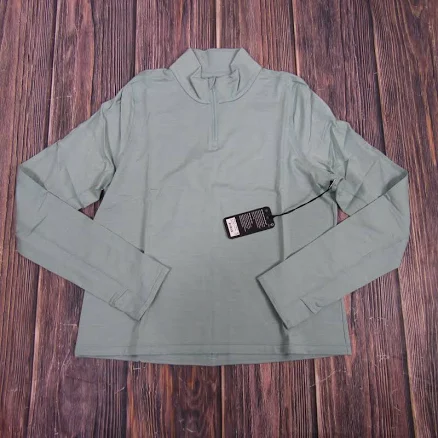
Allbirds NWT Womens Medium Green Natural Run Mid Layer 1/4 Zip Jacket
Moderate concern; natural fiber means lower risk, but brand transparency is minimal.
Allbirds' Run Mid Layer is primarily merino wool, a natural fiber with lower PFAS risk than synthetics. The brand doesn't disclose water-repellent treatments or make PFAS claims.
Still want this one anyway? Check the price on Amazon. We’d swap it.
Material
Merino wool blend (natural fiber)
Brand disclosure
Brand is silent on PFAS
Lab data
No public lab test
What Allbirds NWT Womens Medium Green Natural is made of, ingredients and materials
This jacket is a merino wool blend, meaning the primary fiber is protein-based wool rather than petroleum-derived synthetics. Merino wool naturally resists odor and moisture without chemical finishing, reducing reliance on antimicrobial treatments common in synthetic performance wear. The blend likely includes small amounts of synthetic fiber (polyester or nylon) for durability and stretch, but the dominance of wool lowers the risk profile for volatile off-gassing and synthetic chemical migration. Any synthetic content should still be screened for azo dyes and flame retardants, though wool-dominant blends typically require fewer of these additives than pure synthetics.
What’s concerning
Category baseline
The starting point for this type of product, before anything specific to this product is counted.
No PFAS disclosure
No public statement from the brand about PFAS in this product.
Azo dyes and synthetic dye residue
Green color in wool or synthetic blend components may be achieved with azo-based or reactive dyes; while Merino wool typically uses higher-quality dyes than cheap synthetics, no public certification (e.g., Oeko-Tex) is on record for this specific product. Risk is low but not eliminated.
Flame retardants
Performance outerwear sometimes receives flame-retardant finishes to meet safety standards, particularly in synthetic blends. Merino wool has inherent flame resistance, so treatment may be minimal or absent; Allbirds has not publicly committed to flame-retardant-free production, so presence cannot be ruled out.
Source, EPA ↗PFAS
As a mid-layer jacket, this product likely has water-repellent treatment on the outer surface. While PFAS is common in this application, non-PFAS alternatives (e.g., wax, silicone, or fluorocarbon-free polyurethane) exist but are not confirmed here. Allbirds' silence on coating chemistry prevents definitive risk assessment.
Source, ATSDR ↗What’s reassuring
Base material not linked to PFAS
The main material recorded for this product is not one associated with PFAS.
Synthetic fiber content (polyester/nylon) off-gassing and degradation
Blend ratio is not specified in available sources, so actual synthetic proportion is unclear. If the blend is <20% synthetic, off-gassing and microplastic shedding risk is minimal; if higher, risk rises modestly. No recalls or complaints are documented for this line.
Formaldehyde / VOCs
Wool and quality synthetics generally avoid heavy formaldehyde resins, which are more common in cheap cotton blends and children's apparel. No documented use in Allbirds merino products, but finish chemistry is not publicly detailed.
Source, ATSDR ↗The full breakdown
The brand's record and disclosure
Allbirds markets itself as a sustainability-focused brand and has published environmental commitments, but detailed chemical disclosure (ingredient certifications, restricted substance lists, third-party testing summaries) is not prominently available in public records. The brand has not faced major chemical contamination recalls in the apparel category, and it does use some certified materials (e.g., responsibly sourced wool). However, the company's silence on PFAS use in water-resistant treatments and finish chemicals suggests limited transparency rather than definitive avoidance. For a performance mid-layer, assume water-resistance may involve PFAS or alternative hydrophobic coatings without explicit confirmation.
How it compares in its category
Merino wool base layers and mid-layers are considered lower-chemical alternatives to fully synthetic performance wear (e.g., polyester or nylon jackets with heavy dye loads and flame retardant finishes). This product occupies the middle ground, natural fiber content reduces azo dye and antimony exposure relative to synthetic competitors, but it still carries modest risk from blend components and finishing treatments. Specialty wool brands (e.g., Patagonia Merino, Icebreaker) often disclose more about dye standards and chemical processing, giving this Allbirds piece a slight transparency disadvantage despite comparable material safety.
If you buy it
Wash in cool water with wool-specific detergent to avoid felting and to prevent accelerated chemical release from overwashing; hot water can mobilize residual dyes and finishes. Air-dry flat away from direct heat and sunlight, which can degrade synthetic blend fibers and trigger off-gassing. Inspect seams and cuffs for pilling or coating separation after 20-30 washes, a sign the jacket is aging normally and does not indicate failure. If the garment develops persistent odors despite airing, it may have absorbed finishes or dyes; gentle hand-washing with minimal detergent involves lower concern for fiber damage than machine agitation.
What we don’t know
- Basis
- Model estimate, 72% confidence, not a lab result
- Lab test
- None on record for this exact product
- Brand statement
- Allbirds has made none
Formulations change between production runs, so check the current label. How we grade.
More ski & snowboard jackets grades
How we score, every product runs through the same public 0-100 rubric based on materials, coatings, brand disclosure, lab findings, and recalls. See the full methodology → Spotted a mistake? Report an error.