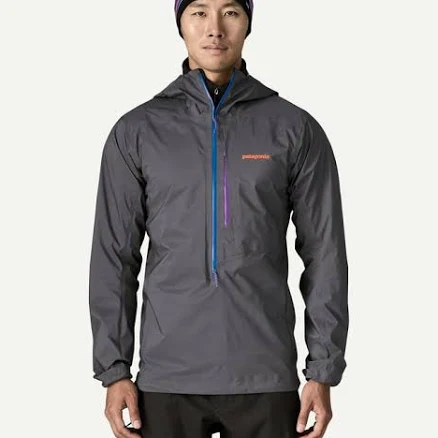
Patagonia · Ski & Snowboard Jackets
Patagonia Men's M10 Anorak
A water-repellent or grease-resistant treatment of unstated chemistry, with a brand PFAS statement we have not verified.
Patagonia says 100% of its new products from Spring 2025 are made without intentionally added PFAS. We record that as an unverified brand claim. Its record describes a water-repellent or grease-resistant treatment of unstated chemistry, which is still counted.
Brand says: “Patagonia says 100% of its new products from Spring 2025 are made without intentionally added PFAS.”
Still want this one anyway? Check the price on Amazon. We’d swap it.
Material
Nylon with water-repellent coating (water-repellent coating) finish
Brand disclosure
Brand claims PFAS-free
Lab data
No public lab test
You may also be interested in
Top-graded picks in the categories readers replace first, every one scored on the same rubric.

- polypropylene filter housing, carbon/sediment cartridge
- We found no PFAS statement from the brand
- Bacterial growth in spent cartridges
3 hazards checked on this product, all on its full breakdown.

Aquasure
Premier Series 75 GPD Under Sink Reverse Osmosis Water Filtration System
- RO membrane, carbon filters, stainless steel housing
- We found no PFAS statement from the brand
- Bacterial and microbial growth in housing and filters
4 hazards checked on this product, all on its full breakdown.

Avocado
Vegan Mattress
- organic cotton, natural latex, coconut coir, recycled steel coils
- The brand calls it PFAS-free, which we have not verified
- Heavy metals
2 hazards checked on this product, all on its full breakdown.
What Patagonia Men's M10 Anorak is made of, ingredients and materials
The M10 Anorak is constructed from nylon fabric treated with a water-repellent coating (water-repellent coating) finish. Nylon itself is a synthetic polymer that does not leach heavy metals or BPA. The critical unknown is the water-repellent coating chemistry, traditional water-repellent finishes have relied on PFAS-based compounds, which Patagonia claims to have phased out, but the specific replacement chemistry on this garment is not disclosed on product documentation. water-repellent coating coatings gradually degrade with washing and wear, reducing water resistance over time rather than introducing new hazards.
What’s concerning
Waterproof / stain-resistant treatment
Water-repellent coating treatments have historically used PFAS.
Category baseline
The starting point for this type of product, before anything specific to this product is counted.
PFAS
Nylon water-repellent coating finishes traditionally relied on PFAS compounds. Patagonia claims to use PFAS-free alternatives, but the specific chemistry and third-party verification for this garment are not publicly disclosed. Unverified claims warrant skepticism.
Source, ATSDR ↗water-repellent coating degradation and microparticle shedding
As water-repellent coating finishes wear away with repeated washing, tiny degraded coating particles may shed into wash water. The health impact of inhalation or ingestion of worn water-repellent coating particles is not well-studied, but this is a known limitation of all coated synthetic textiles.
What’s reassuring
Brand-stated PFAS-free
The brand states this product is PFAS-free. We have not verified the claim.
Formaldehyde / VOCs
Nylon textiles may undergo formaldehyde-based resin treatments for wrinkle resistance or color-setting. No specific formaldehyde hazards are documented for this model, and Patagonia's quality standards suggest low likelihood, but ingredient transparency is limited.
Source, ATSDR ↗Azo dyes and synthetic pigments
The jacket is dyed nylon; azo dyes can release carcinogenic amines under heat or prolonged wear. Patagonia meets OEKO-TEX or similar standards for many products, but this specific garment's dye chemistry is not detailed in available materials.
Nylon fiber shedding
Nylon garments shed microfibers into wash water and the environment. This is a general concern for all synthetic textiles, not specific to Patagonia or this model, and does not pose direct consumer health risk.
How is this PFAS grade calculated?
The brand's record and disclosure
Patagonia has publicly committed to eliminating PFAS from manufacturing and supply chains, and has made documented efforts toward this goal, earning credibility on environmental toxics. However, the company has not published detailed third-party test reports or full chemical disclosures for individual garments, leaving room for verification gaps. No recalls or safety controversies specific to this jacket model are on record. The brand's sustainability messaging is relatively transparent compared to competitors, but purchase decisions ideally rely on independent lab testing of the water-repellent coating treatment rather than brand claims alone.
How it compares in its category
Most ski and snowboard jackets in the $200-400 range use either PFAS-based water-repellent coating (still common in budget and mid-tier brands) or undisclosed water-repellent chemistry. Patagonia's jacket is positioned as a higher-end alternative with stated environmental responsibility, though the water-repellent coating chemistry remains unverified on the label. Competitors like Arc'teryx and The North Face also make PFAS-reduction claims but similarly lack product-level transparency. Garments with no water-repellent coating treatment (wool-based or untreated synthetics) eliminate this uncertainty but sacrifice water repellency.
If you buy it
Wash the jacket in cool water with minimal detergent to extend water-repellent coating durability; hot water and aggressive laundering accelerate coating breakdown. Do not dry-clean, as solvents degrade nylon and water-repellent coating finishes. Replace the jacket if seams fail, fabric tears, or water-repellent coating performance visibly degrades (water no longer beads on the surface). If PFAS content is a priority for you, contact Patagonia directly to request test data or certifications specific to this model before purchase, as marketing claims alone do not confirm safety.
What is not known about PFAS in this product?
- Basis
- Model estimate, 45% confidence, not a lab result
- Lab test
- None on record for this exact product
- Brand statement
- Patagonia has made a specific claim
Formulations change between production runs, so check the current label. How we grade.
What are the PFAS-free alternatives to Patagonia Men's M10 Anorak?
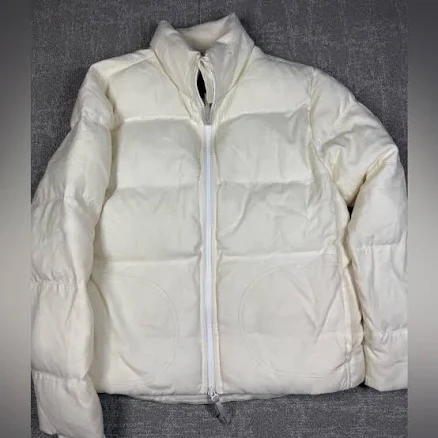
- Wool blend with synthetic fill (likely polyester)
- We found no PFAS statement from the brand
- water-repellent coating (water-repellent coating) coating composition
3 hazards checked on this product, all on its full breakdown.
Find an alternative on Amazon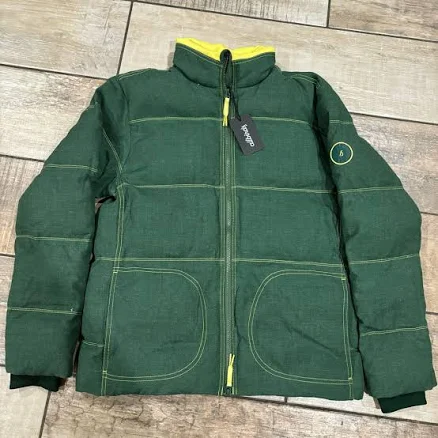
Allbirds
Jackets & Coats Allbirds Men's Trino Puffer Jacket Full Zip Wool Blend Forest Green Coat Size Sm
- wool blend (natural fiber dominant)
- We found no PFAS statement from the brand
- water-repellent coating (water-repellent coating) treatment - undisclosed chemistry
2 hazards checked on this product, all on its full breakdown.
Find an alternative on Amazon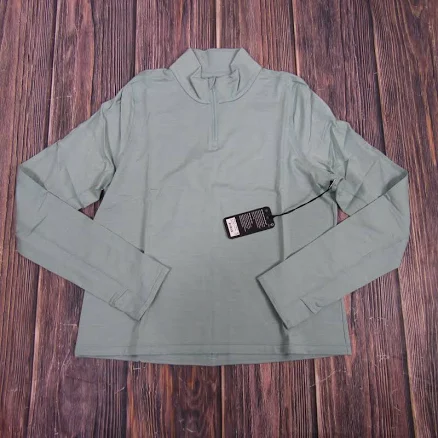
- Merino wool blend (natural fiber)
- We found no PFAS statement from the brand
- Azo dyes and synthetic dye residue
3 hazards checked on this product, all on its full breakdown.
Find an alternative on AmazonMore ski & snowboard jackets grades
How we score, every product runs through the same public 0-100 rubric based on materials, coatings, brand disclosure, lab findings, and recalls. See the full methodology → Spotted a mistake? Report an error.