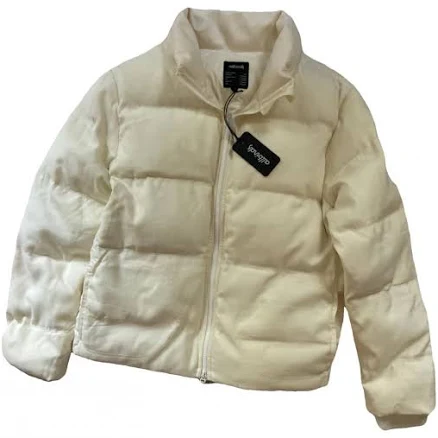
Allbirds · Ski & Snowboard Jackets
Allbirds Wool Puffer Jacket Ecru Size L International
Moderate concern; wool is lower risk but no PFAS transparency from Allbirds.
Allbirds' wool puffer is mostly wool and recycled materials, avoiding Teflon-family coating coatings. Allbirds doesn't disclose whether synthetic down or finishes have PFAS-based water repellents.
Still want this one anyway? Check the price on Amazon. We’d swap it.
Material
Wool, recycled polyester, synthetic down
Brand disclosure
Brand is silent on PFAS
Lab data
No public lab test
What Allbirds Wool Puffer Jacket Ecru Size L is made of, ingredients and materials
This jacket combines natural wool with recycled polyester shell and synthetic down fill. Wool is inherently flame-resistant and sheds microplastics far less readily than virgin synthetics. Recycled polyester reduces virgin plastic demand but retains the same chemical profile as new polyester. Synthetic down (polyester-based) avoids animal welfare concerns but introduces microfiber shedding risk during washing and wear, a known issue in all synthetic insulation.
What’s concerning
Category baseline
The starting point for this type of product, before anything specific to this product is counted.
No PFAS disclosure
No public statement from the brand about PFAS in this product.
Heavy metals
Allbirds does not publicly disclose dye sourcing or restricted substance lists for this jacket. Wool and polyester blends typically undergo intensive dyeing; if non-compliant dyes were used, heavy metal (lead, cadmium, arsenic) migration is possible but not documented for this specific product.
Source, FDA ↗Microplastic shedding from synthetic down and recycled polyester
Synthetic polyester insulation and shell materials shed microfibers during washing and wear. This is a known widespread issue in the apparel industry; no Allbirds-specific study exists, but the material composition carries inherent microfiber release risk.
PFAS
Puffer jackets require water-repellent coating (water-repellent coating) treatment. Allbirds' lack of transparency on whether they use legacy PFAS, PFAS alternatives (which may have unknown health profiles), or non-fluorine water-repellent coating means this risk cannot be ruled out but is not confirmed.
Source, ATSDR ↗Antimony as catalyst in recycled polyester
Recycled polyester may retain or require antimony catalysts used in original plastic production. Trace antimony leaching is possible with sweat or moisture exposure, though toxicologically relevant exposure from fabric contact is considered minimal by most standards.
What’s reassuring
Base material not linked to PFAS
The main material recorded for this product is not one associated with PFAS.
Formaldehyde / VOCs
No recalls or documented formaldehyde issues reported for Allbirds outerwear. However, wool blends can undergo resin treatments for wrinkle resistance or dye fixation; Allbirds does not disclose finish specifications, so residual formaldehyde cannot be entirely ruled out.
Source, ATSDR ↗The full breakdown
The brand's record and disclosure
Allbirds markets sustainability heavily but provides limited transparency on chemical inputs (dyes, finishes, coatings). The brand has no published PFAS testing or commitment to PFAS-free standards, which is notable given the jacket's water-resistance needs. No major safety recalls or toxicology controversies are on record for this product line. Third-party certifications (e.g., Bluesign, OEKO-TEX) are not consistently disclosed for this specific SKU.
How it compares in its category
Wool-blend puffer jackets have lower microplastic concern than 100% synthetic alternatives because wool reduces microplastic shedding and typically involves lower dye-chemical intensity. However, Allbirds' silence on dye standards and water-repellent treatments (which often contain PFAS or PFAS alternatives) places it mid-range for transparency compared to brands like Patagonia (detailed chemical disclosures) or Arc'teryx (stricter supplier audits). Recycled polyester is a genuine sustainability plus but does not confer chemical safety advantages over virgin polyester.
If you buy it
Wash in cold water with mild detergent to minimize microfiber release and preserve coatings. Avoid dry cleaning, which can introduce perchloroethylene (a known solvent contaminant). Check care label for temperature limits; synthetic down begins to degrade above 60C (140F). Replace the jacket if outer fabric coating peels or degrades significantly, as this can increase microplastic shedding. Air dry rather than machine dry to extend life and avoid heat-induced breakdown of polyester components.
What we don’t know
- Basis
- Model estimate, 72% confidence, not a lab result
- Lab test
- None on record for this exact product
- Brand statement
- Allbirds has made none
Formulations change between production runs, so check the current label. How we grade.
More ski & snowboard jackets grades
How we score, every product runs through the same public 0-100 rubric based on materials, coatings, brand disclosure, lab findings, and recalls. See the full methodology → Spotted a mistake? Report an error.