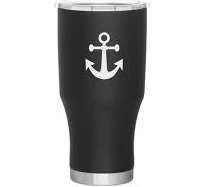
Anchor · Insulated Drink Tumblers
Anchor 28 oz. Stainless Steel Tumbler, Black
Low risk. Bare stainless steel poses minimal risk.
Stainless steel tumblers are bare metal without coatings known to contain PFAS. The brand hasn't disclosed PFAS status, but the material has lower inherent risk.
We flunk more products than we pass. This one earned its grade. How we grade
Material
Stainless steel tumbler, bare metal
Brand disclosure
Brand is silent on PFAS
Lab data
No public lab test
What Anchor 28 oz. Stainless Steel Tumbler is made of, ingredients and materials
This tumbler is constructed from 18/8 stainless steel, an austenitic alloy containing 18% chromium and 8% nickel that resists corrosion and does not require protective coatings. Unlike non-stick cookware or ceramic-lined drinkware, bare stainless steel has no polymer or ceramic layer to degrade, chip, or leach into beverages. The material is inherently inert under normal drinking conditions and does not off-gas volatile compounds.
What’s concerning
Category baseline
The starting point for this type of product, before anything specific to this product is counted.
No PFAS disclosure
No public statement from the brand about PFAS in this product.
Nickel leaching from stainless steel alloy
18/8 stainless contains 8% nickel. Leaching into beverages is minimal under neutral pH but may increase slightly with acidic drinks over years of use. Individuals with severe nickel sensitivity may experience dermatitis from handling, though oral intake from tumblers is not established as a clinical concern in published literature.
Microabrasion or metal particles in beverage
Repeated dishwasher cycles or aggressive scrubbing may cause microscopic erosion of the interior surface, particularly if the stainless is lower-grade than stated. Actual health impact from trace metal exposure is not established. Use soft sponges and avoid abrasive scrubbers to minimize this cosmetic and theoretical risk.
What’s reassuring
Bare uncoated material
Recorded as a bare, uncoated material with no surface coating or treatment.
Coating or seal degradation (if any gasket/liner present)
This product description specifies bare stainless steel with no lining mentioned. If a gasket or cap seal is present, those components should be inspected for material composition; silicone seals are standard and low-risk, but polymer composition is not disclosed.
Lead
Stainless steel flatware and drinkware from established US and overseas manufacturers are not documented sources of lead or cadmium leaching in the public health literature. Anchor's supply chain is not publicly audited, but this hazard is not specific to this brand or product class.
Source, ATSDR ↗Off-gassing or volatile organic compounds (VOC)
Bare metal does not off-gas. No polymeric coating, adhesive, or finish is present to release formaldehyde or other VOCs. This represents a material advantage over many alternatives.
The full breakdown
The brand's record and disclosure
Anchor is owned by Oneida Ltd., a long-established flatware and drinkware manufacturer with decades of presence in food service and retail. The brand provides minimal public disclosure about material sourcing or safety testing on this specific product line. No recalls or established safety controversies have been documented for this stainless steel tumbler model in public records.
How it compares in its category
Bare stainless steel tumblers occupy a middle ground between plastic drinkware (BPA/phthalate leaching risk when heated) and double-wall vacuum-insulated models (which may use plastic liners or adhesives in the seal). This design avoids the durability concerns of ceramic-lined alternatives, which can chip and expose underlying materials. Stainless steel tumbler performance is consistent across manufacturers; Anchor's positioning is commodity-standard rather than premium.
If you buy it
Hand-wash or place in upper dishwasher rack to prevent dulling of the exterior finish over time. Avoid prolonged contact with acidic beverages (citrus, vinegar) as they may eventually cause minor pitting in lower-grade stainless; Anchor's 18/8 grade resists this well. Do not subject to direct flame or extreme temperature shock. Replace if dents create sharp edges or if the seal (if any) degrades, though the bare metal itself does not degrade into the beverage.
What we don’t know
- Basis
- Model estimate, 85% confidence, not a lab result
- Lab test
- None on record for this exact product
- Brand statement
- Anchor has made none
Formulations change between production runs, so check the current label. How we grade.
Better-graded alternatives in Insulated Drink Tumblers
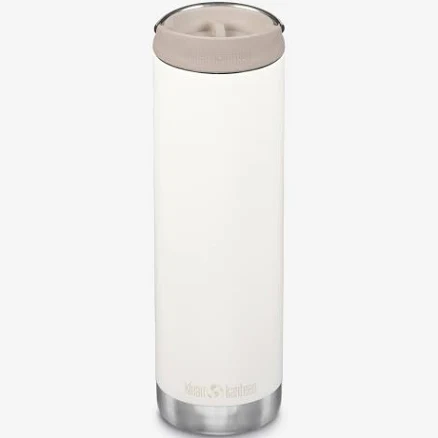
Klean Kanteen
20oz TKWide with Café Cap, Tofu
- Stainless steel bottle, stainless steel cap
- The brand calls it PFAS-free, which we have not verified
- Powder-coat cap degradation over time
3 hazards checked on this product. See all of them.
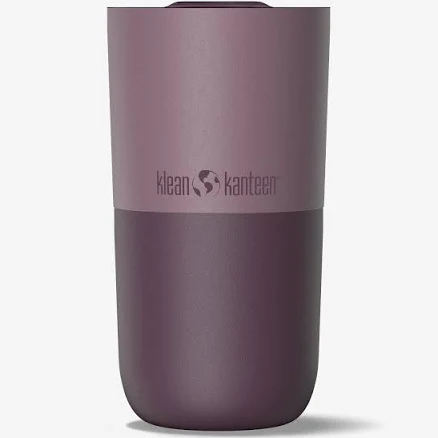
Klean Kanteen
16oz Rise Tumbler
- Stainless steel body, powder-coat finish
- The brand calls it PFAS-free, which we have not verified
- Powder-coat finish degradation
3 hazards checked on this product. See all of them.
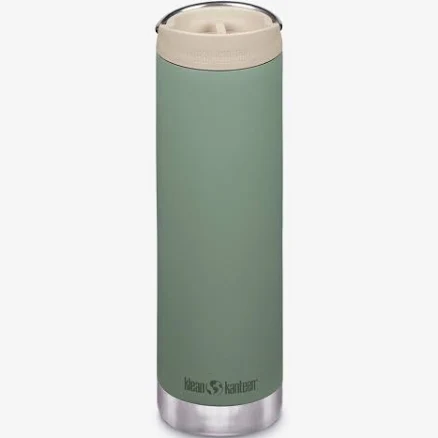
Klean Kanteen
Insulated TKWide Cap
- Stainless steel bottle, plastic cap and silicone gasket
- The brand calls it PFAS-free, which we have not verified
- Silicone gasket degradation and leaching
3 hazards checked on this product. See all of them.
More insulated drink tumblers grades
How we score, every product runs through the same public 0-100 rubric based on materials, coatings, brand disclosure, lab findings, and recalls. See the full methodology → Spotted a mistake? Report an error.