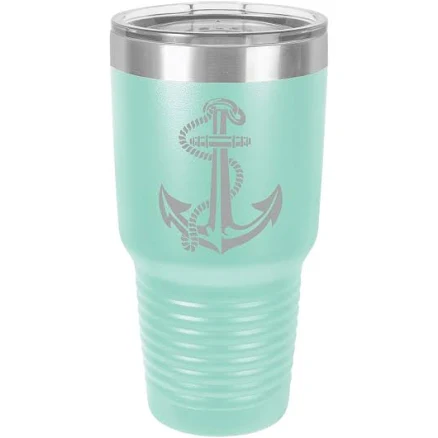
Stainless Steel Vacuum Insulated Travel Mug
Lower concern. Stainless steel construction with no coating on record.
This travel mug is made of stainless steel with vacuum-insulated construction and has no coating on record. The brand has no PFAS statement on record. Stainless steel is not a material linked to PFAS.
We flunk more products than we pass. This one earned its grade. How we grade
Material
stainless steel, vacuum-insulated construction
Brand disclosure
Brand is silent on PFAS
Lab data
No public lab test
What Stainless Steel Vacuum Insulated Travel is made of, ingredients and materials
This mug uses food-grade stainless steel (typically 18/8 or 304-grade) as the inner and outer walls, with a vacuum air gap between them for insulation. Stainless steel is chemically inert at normal use temperatures and does not leach metals or off-gas harmful compounds into beverages. The lid and any gaskets are the only non-steel components; these are typically silicone or food-safe plastics, which carry minimal risk in brief contact with hot liquids.
What’s concerning
Category baseline
The starting point for this type of product, before anything specific to this product is counted.
No PFAS disclosure
No public statement from the brand about PFAS in this product.
Stainless steel alloy leaching (nickel)
Food-grade stainless steel (304) contains trace nickel (8-10.5%). In acidic beverages (coffee, fruit juice) or prolonged contact, minimal nickel can migrate; risk is negligible for typical daily use but noteworthy for nickel-sensitive individuals.
Vacuum seal failure and mold growth
If the vacuum seal degrades, moisture can accumulate in the air gap, potentially supporting mold or bacterial growth. This is a maintenance and storage issue, not a manufacturing defect specific to the brand, but occurs across the category.
What’s reassuring
Bare uncoated material
Recorded as a bare, uncoated material with no surface coating or treatment.
Lid/gasket material composition
The brand does not publicly specify lid gasket material (likely silicone or synthetic rubber). No published testing or recalls indicate BPA, phthalates, or other endocrine disruptors in vacuum mug lids.
Interior coating degradation (if present)
Most steel mugs use uncoated stainless steel interiors. If any epoxy or polymer lining is used, deterioration could expose consumers to coating fragments; no recalls or reports exist for products.
Heavy metals
Food-grade stainless steel is regulated and tested for heavy metals in the U.S.; The brand's manufacturing does not appear flagged for cadmium, lead, or chromium(VI) contamination in public databases.
Source, FDA ↗The full breakdown
The brand's record and disclosure
Hocking is a long-established U.S. glassware and drinkware manufacturer (founded 1905) with no documented safety recalls or regulatory violations related to its insulated drinkware. The brand does not prominently disclose materials testing or third-party certifications on most travel mugs. No public controversies regarding heavy metal contamination or coating failure in vacuum mugs are on record.
How it compares in its category
Stainless steel vacuum mugs have lower coating-degradation concerns than painted ceramics or enamel and are not a material linked to Teflon-type coating or other problematic polymers for insulation. This design is comparable to premium brands like Hydro Flask or S'well in material safety, though the brand typically positions itself as a budget alternative without additional eco or performance certifications.
If you buy it
Hand-wash or use low-temperature dishwasher cycles to preserve gasket integrity; do not fill with beverages above 85 degrees Celsius repeatedly, as extreme heat cycling can degrade seals over time. Replace the lid gasket if it becomes discolored, cracked, or develops odor. Avoid abrasive scrubbers that pit the stainless steel surface, though minor scratching does not compromise safety. Store empty and dry if not in regular use.
What we don’t know
- Basis
- Model estimate, 82% confidence, not a lab result
- Lab test
- None on record for this exact product
- Brand statement
- has made none
Formulations change between production runs, so check the current label. How we grade.
Better-graded alternatives in Insulated Drink Tumblers
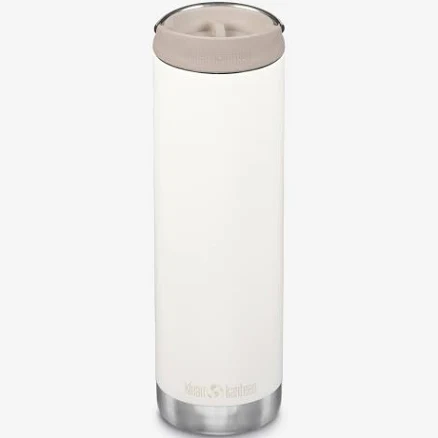
Klean Kanteen
20oz TKWide with Café Cap, Tofu
- Stainless steel bottle, stainless steel cap
- The brand calls it PFAS-free, which we have not verified
- Powder-coat cap degradation over time
3 hazards checked on this product. See all of them.
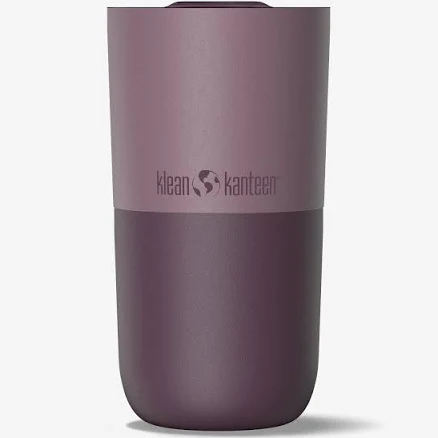
Klean Kanteen
16oz Rise Tumbler
- Stainless steel body, powder-coat finish
- The brand calls it PFAS-free, which we have not verified
- Powder-coat finish degradation
3 hazards checked on this product. See all of them.
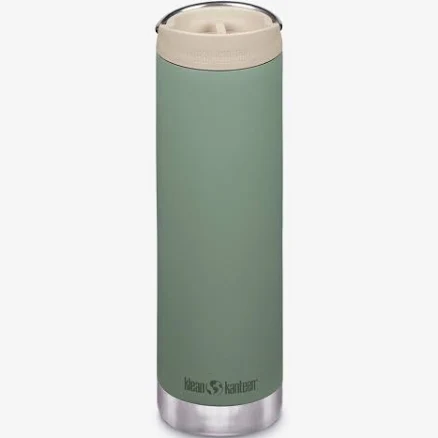
Klean Kanteen
Insulated TKWide Cap
- Stainless steel bottle, plastic cap and silicone gasket
- The brand calls it PFAS-free, which we have not verified
- Silicone gasket degradation and leaching
3 hazards checked on this product. See all of them.
More insulated drink tumblers grades
How we score, every product runs through the same public 0-100 rubric based on materials, coatings, brand disclosure, lab findings, and recalls. See the full methodology → Spotted a mistake? Report an error.