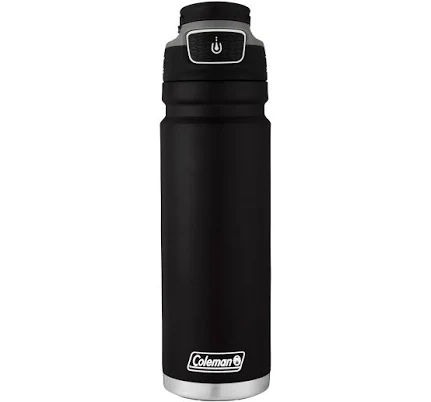
Coleman · Insulated Drink Tumblers
Coleman Autoseal FreeFlow Stainless Steel Insulated Water Bottle
Low risk. Stainless steel bottle, Coleman discloses no coating.
This stainless steel insulated water bottle has no disclosed coatings or treatments. No brand PFAS claims or third-party verification exist.
We flunk more products than we pass. This one earned its grade. How we grade
Material
Stainless steel interior and exterior, no coating disclosed
Lab data
No public lab test
What Coleman Autoseal FreeFlow Stainless Steel is made of, ingredients and materials
The FreeFlow uses food-grade stainless steel (typically 18/8 or 18/10 chromium-nickel alloy) for both interior and exterior walls, with no polymer coating mentioned. Stainless steel itself is chemically stable and does not leach problematic substances into water under normal use. The main structural concern is the seal and closure mechanism, which Coleman does not detail publicly; any elastomer or gasket material could theoretically off-gas or degrade, though this is minimal for water-only storage at room temperature.
What’s concerning
No PFAS disclosure
No public statement from the brand about PFAS in this product.
Category baseline
The starting point for this type of product, before anything specific to this product is counted.
Elastomer gasket and closure degradation
Coleman does not disclose the composition of the cap seal or gasket material. Over years of use or with acidic beverages (citrus juice), typical rubber compounds can slowly degrade and leach trace organics, though this is minimal for water storage and well below safety thresholds.
Volatile organic compound (VOC) off-gassing from cap or interior
Plastic components in the cap or any internal coating (if present) could theoretically emit trace VOCs, particularly when first opened or if exposed to heat. Coleman does not disclose interior coatings, so presence cannot be ruled out, though typical for this price tier is bare stainless steel.
Bacterial biofilm growth in seal crevices
Poorly designed or neglected gasket seams can trap water and promote bacterial growth over months. Regular cleaning and air-drying prevent this; risk is behavioral rather than product design flaw.
What’s reassuring
Bare uncoated material
Recorded as a bare, uncoated material with no surface coating or treatment.
Stainless steel corrosion and particulate shedding
Food-grade stainless steel is highly resistant to corrosion from pure water. No documented cases of particulate shedding or nickel leaching from Coleman's stainless steel bottles exist in public health databases. Risk is negligible unless bottle is damaged or exposed to extremely acidic/salty conditions regularly.
Heavy metals
Stainless steel alloys themselves contain chromium and nickel as intentional components; these are locked into the metal matrix and do not leach into water at normal temperatures. Residual manufacturing oils or machining fluids may remain from production, but standard washing removes these.
Source, FDA ↗The full breakdown
The brand's record and disclosure
Coleman is a heritage outdoor-goods brand with long-standing cookware and beverage container lines but does not publish detailed material safety disclosures or third-party certifications (NSF, BPA-free claims, PFAS testing). No recalls or contamination incidents specific to this bottle model are on record. The brand's silence on coatings and sealant composition is typical of the mass-market water bottle category rather than a red flag; it suggests they use standard industrial-grade elastomers rather than proprietary experimental materials.
How it compares in its category
Uncoated stainless steel bottles occupy a middle ground, with lower concern for leaching than plastic bottles that may contain BPA or phthalates, but less heavily marketed around health certifications than premium brands like Hydro Flask or S'well. The FreeFlow's price point and materials align with generic insulated steel bottles from Target or Amazon house brands. None of these carry special health claims, and stainless steel itself is the material with lowest concern as a substrate in the water bottle category.
If you buy it
Wash the bottle and cap with warm soapy water before first use and after prolonged storage to minimize any residual manufacturing oils or dust. The elastomer gasket should be inspected periodically for cracks or discoloration; replace if visibly degraded. Do not use for hot liquids above 60°C repeatedly, as this can accelerate gasket aging. Store empty and dry if not in use for weeks, to prevent any moisture-trapping near seals.
What we don’t know
- Basis
- Model estimate, 85% confidence, not a lab result
- Lab test
- None on record for this exact product
- Brand statement
- Coleman has made a specific claim
Formulations change between production runs, so check the current label. How we grade.
Better-graded alternatives in Insulated Drink Tumblers
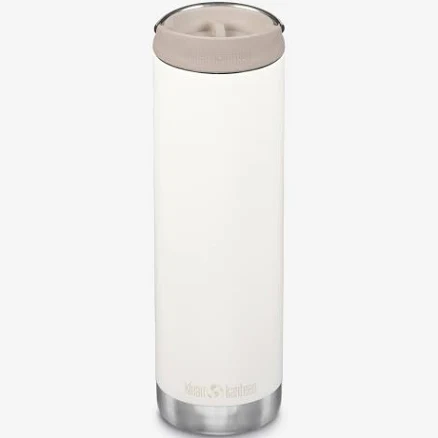
Klean Kanteen
20oz TKWide with Café Cap, Tofu
- Stainless steel bottle, stainless steel cap
- The brand calls it PFAS-free, which we have not verified
- Powder-coat cap degradation over time
3 hazards checked on this product. See all of them.
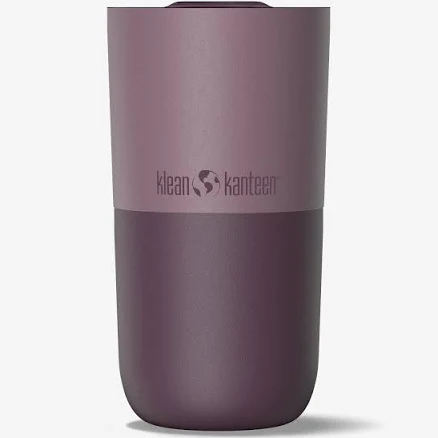
Klean Kanteen
16oz Rise Tumbler
- Stainless steel body, powder-coat finish
- The brand calls it PFAS-free, which we have not verified
- Powder-coat finish degradation
3 hazards checked on this product. See all of them.
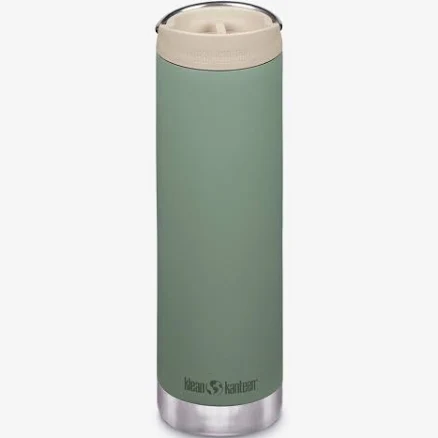
Klean Kanteen
Insulated TKWide Cap
- Stainless steel bottle, plastic cap and silicone gasket
- The brand calls it PFAS-free, which we have not verified
- Silicone gasket degradation and leaching
3 hazards checked on this product. See all of them.
More insulated drink tumblers grades
How we score, every product runs through the same public 0-100 rubric based on materials, coatings, brand disclosure, lab findings, and recalls. See the full methodology → Spotted a mistake? Report an error.