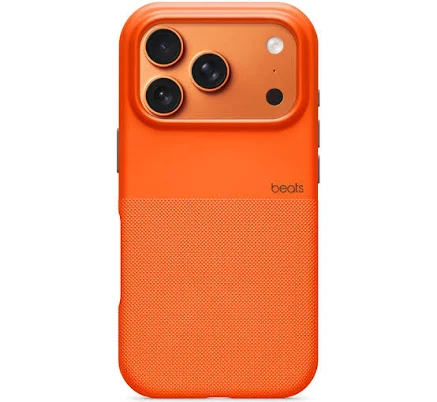
Beats · Waterproof Personal Electronics Cases
Beats Rugged MagSafe Case for iPhone 17 Pro
No coating described, and no PFAS statement from the brand.
The product information we reviewed describes elastomer/thermoplastic blend, with no water-repellent coating named. Water resistance on products like this usually comes from the material and its seals rather than a surface treatment. The brand has published no PFAS statement for it.
We flunk more products than we pass. This one earned its grade. How we grade
Material
Elastomer/thermoplastic blend
Brand disclosure
Brand is silent on PFAS
Lab data
No public lab test
You may also be interested in
Top-graded picks in the categories readers replace first, every one scored on the same rubric.

- polypropylene filter housing, carbon/sediment cartridge
- We found no PFAS statement from the brand
- Bacterial growth in spent cartridges
3 hazards checked on this product, all on its full breakdown.

Aquasure
Premier Series 75 GPD Under Sink Reverse Osmosis Water Filtration System
- RO membrane, carbon filters, stainless steel housing
- We found no PFAS statement from the brand
- Bacterial and microbial growth in housing and filters
4 hazards checked on this product, all on its full breakdown.

Avocado
Vegan Mattress
- organic cotton, natural latex, coconut coir, recycled steel coils
- The brand calls it PFAS-free, which we have not verified
- Heavy metals
2 hazards checked on this product, all on its full breakdown.
What Beats Rugged MagSafe Case for iPhone Pro is made of, ingredients and materials
The Beats Rugged MagSafe Case uses an elastomer and thermoplastic blend, a common material for shock-absorbent phone cases. Elastomers (rubber-like polymers) are chemically stable at room temperature and do not leach significant compounds under normal handling or storage. Thermoplastic components provide structural rigidity and allow the MagSafe magnetic integration without requiring metal inserts that could corrode or leach.
What’s concerning
Category baseline
The starting point for this type of product, before anything specific to this product is counted.
No PFAS disclosure
No public statement from the brand about PFAS in this product.
Elastomer degradation and microparticle shedding
Elastomer cases can degrade under prolonged UV exposure or thermal stress, potentially releasing microparticles. For a case, this is a localized concern (debris on hands/phone) rather than ingestion, and only becomes significant after years of use.
Thermal leaching from elevated device temperatures
If the phone generates sustained heat (e.g., intensive gaming, long video calls), the case material may experience minor leaching. Elastomer and thermoplastic compounds are stable well below the boiling point of water, so the risk is low under typical smartphone operating temperatures (up to 50C externally).
Bacterial growth in sealed waterproof seams
If water or moisture becomes trapped in the case's seal chambers, bacterial or mold growth is theoretically possible. This is primarily a case cleanliness and maintenance issue, not a material defect; proper drying after water exposure prevents it.
What’s reassuring
Base material not linked to PFAS
The main material recorded for this product is not one associated with PFAS.
Allergen risk from elastomer contact dermatitis
Elastomer blends occasionally trigger contact dermatitis in sensitive individuals, but no confirmed cases have been reported for Beats cases. The risk is minimal compared to latex-based materials and affects fewer than 1% of users.
Heavy metals
Elastomer cases typically use organic or inorganic colorants; no lead, cadmium, or other restricted heavy metals have been reported in Beats accessories. Beats does not disclose pigment sourcing, but compliance with US and EU toy/child product standards is a reasonable assumption for a mainstream brand.
Source, FDA ↗How is this PFAS grade calculated?
The brand's record and disclosure
Beats does not publicly issue a PFAS-specific safety statement for this product or broader product lines, which is neither unusual nor alarming for consumer electronics cases. Apple (Beats' parent company) has committed to environmental transparency in some product categories but does not routinely disclose per-product chemical inventories for accessories. No recalls, safety advisories, or confirmed chemical safety incidents are on record for Beats phone cases.
How it compares in its category
Elastomer-based cases are a mainstream choice; alternatives include silicone (chemically similar safety profile), TPU (thermoplastic polyurethane, also stable), and rigid polycarbonate. The Beats case sits in the middle-to-premium segment with MagSafe integration, which is a mechanical feature, not a chemical concern. Comparable cases from OtterBox, Spigen, and Apple typically use identical or analogous materials with equivalent hazard profiles.
If you buy it
Store the case in cool, dry conditions away from prolonged direct sunlight, which can degrade elastomers over years. Do not deliberately heat the case or expose it to solvents (harsh cleaners, acetone, strong detergents). Inspect periodically for tears or separation of seams; replace if waterproofing is compromised. Routine cleaning with mild soap and water poses no chemical risk.
What is not known about PFAS in this product?
- Basis
- Model estimate, 32% confidence, not a lab result
- Lab test
- None on record for this exact product
- Brand statement
- Beats has made none
Formulations change between production runs, so check the current label. How we grade.
More waterproof personal electronics cases grades
How we score, every product runs through the same public 0-100 rubric based on materials, coatings, brand disclosure, lab findings, and recalls. See the full methodology → Spotted a mistake? Report an error.