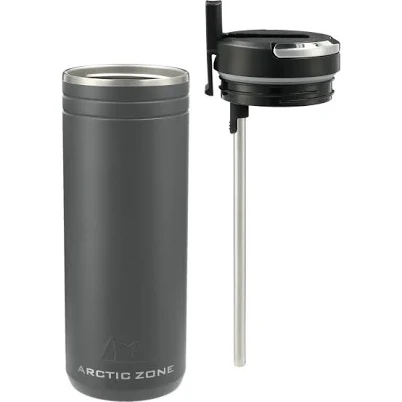
Arctic Zone · Insulated Drink Tumblers
Arctic Zone 1600-39 - Titan Thermal HP Tumbler 24oz
Lower concern tumbler; brand lacks PFAS transparency on product.
Stainless steel vacuum tumblers carry inherently lower PFAS risk. Arctic Zone provides no public PFAS disclosure; check their website for materials before purchase if needed.
We flunk more products than we pass. This one earned its grade. How we grade
Material
Stainless steel with vacuum insulation
Brand disclosure
Brand is silent on PFAS
Lab data
No public lab test
You may also be interested in
Top-graded picks in the categories readers replace first, every one scored on the same rubric.

- polypropylene filter housing, carbon/sediment cartridge
- We found no PFAS statement from the brand
- Bacterial growth in spent cartridges
3 hazards checked on this product, all on its full breakdown.

Aquasure
Premier Series 75 GPD Under Sink Reverse Osmosis Water Filtration System
- RO membrane, carbon filters, stainless steel housing
- We found no PFAS statement from the brand
- Bacterial and microbial growth in housing and filters
4 hazards checked on this product, all on its full breakdown.

Avocado
Vegan Mattress
- organic cotton, natural latex, coconut coir, recycled steel coils
- The brand calls it PFAS-free, which we have not verified
- Heavy metals
2 hazards checked on this product, all on its full breakdown.
What Arctic Zone 1600-39 - Titan HP Tumbler is made of, ingredients and materials
The Arctic Zone Titan uses food-grade stainless steel as the primary contact material with vacuum insulation (typically air or foam between double walls). Stainless steel is chemically stable and does not leach metals like lead, cadmium, or aluminum into beverages under normal use. The vacuum insulation design means no coating degradation issues typical of ceramic or non-stick cookware; there is no Teflon-type coating, ceramic glaze, or enamel to chip or off-gas.
What’s concerning
Category baseline
The starting point for this type of product, before anything specific to this product is counted.
No PFAS disclosure
No public statement from the brand about PFAS in this product.
Lid/seal material degradation
Plastic lids and rubber gaskets can degrade with repeated thermal cycling and may release microplastics or off-gas compounds over years of use. Arctic Zone does not specify lid material composition (silicone vs. synthetic rubber) in public documentation.
Vacuum seal integrity failure
Double-wall vacuum tumblers can fail if the seal between walls is compromised, allowing air/moisture intrusion. This is a durability issue rather than a chemical hazard, but a failed seal may create conditions for bacterial growth if moisture accumulates.
What’s reassuring
Base material not linked to PFAS
The main material recorded for this product is not one associated with PFAS.
Stainless steel leaching (nickel, chromium)
Food-grade stainless steel (typically 18/8 or 304 alloy) does not leach nickel or chromium into non-acidic beverages under normal conditions. No recalls or testing concerns specific to this product line are on record.
Coating or finish contamination (exterior)
No information is publicly available on exterior coating or paint formulation. Standard powder coat on metal tumblers poses minimal risk if intact, but Arctic Zone provides no disclosure on coating chemistry or testing.
Thermal shock/material stress
Stainless steel is thermally stable and resistant to cracking from hot-to-cold transitions. No product-specific thermal-stress failures are documented.
How is this PFAS grade calculated?
The brand's record and disclosure
Arctic Zone does not publicly disclose PFAS testing, material certifications, or manufacturing standards on product pages or safety documentation reviewed in public records. The brand has no known safety recalls specific to this tumbler line and no established controversies regarding heavy metals or coating safety. However, the silent stance on PFAS and lack of third-party certifications (BPA-free, NSF, etc.) represents a transparency gap rather than confirmed hazard.
How it compares in its category
Vacuum insulated tumblers made from stainless steel have lower concern regarding coating-failure risks compared to ceramic-lined or powder-coated alternatives. This product is materially equivalent to competitors like Hydro Flask or YETI in construction and does not stand out as higher or lower risk based on material class. The main differentiator is brand transparency, where Hydro Flask and YETI provide clearer sustainability/material documentation.
If you buy it
Stainless steel tumblers are durable and resistant to damage; hand-wash or place in the dishwasher according to manufacturer guidance to avoid thermal stress on seals. Do not microwave; the metal will arc and damage both appliance and seal integrity. Replace the tumbler if the lid seal degrades visibly or the vacuum insulation fails (tumbler becomes noticeably warmer/cooler than expected). Store dry to prevent any mold growth in the seal area.
What is not known about PFAS in this product?
- Basis
- Model estimate, 72% confidence, not a lab result
- Lab test
- None on record for this exact product
- Brand statement
- Arctic Zone has made none
Formulations change between production runs, so check the current label. How we grade.
What are the PFAS-free alternatives to Arctic Zone 1600-39 - Titan Thermal HP Tumbler 24oz?
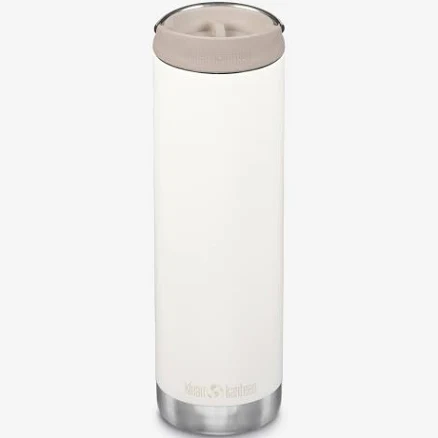
- Stainless steel bottle, stainless steel cap
- The brand calls it PFAS-free, which we have not verified
- Powder-coat cap degradation over time
3 hazards checked on this product, all on its full breakdown.
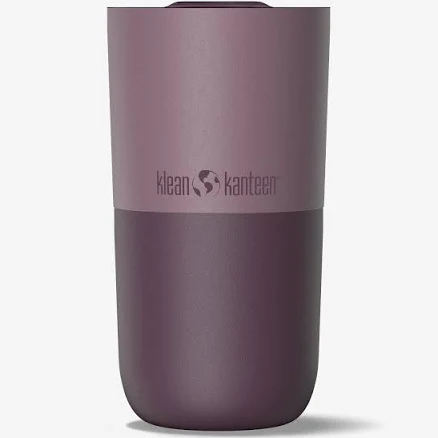
- Stainless steel body, powder-coat finish
- The brand calls it PFAS-free, which we have not verified
- Powder-coat finish degradation
3 hazards checked on this product, all on its full breakdown.
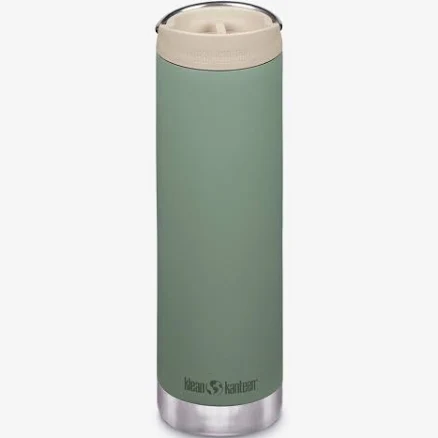
- Stainless steel bottle, plastic cap and silicone gasket
- The brand calls it PFAS-free, which we have not verified
- Silicone gasket degradation and leaching
3 hazards checked on this product, all on its full breakdown.
More insulated drink tumblers grades
How we score, every product runs through the same public 0-100 rubric based on materials, coatings, brand disclosure, lab findings, and recalls. See the full methodology → Spotted a mistake? Report an error.