Arctic Zone · Insulated Drink Tumblers
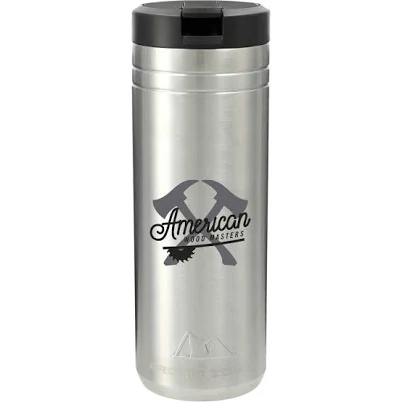
Arctic Zone Titan Thermal HP Straw Tumbler
Lower concern; stainless steel and plastic straw unlikely PFAS sources.
Stainless steel thermal tumbler with plastic straw and no known PFAS-prone materials or treatments identified. The brand provides no PFAS disclosure.
We flunk more products than we pass. This one earned its grade. How we grade
Material
stainless steel body, plastic straw
Brand disclosure
Brand is silent on PFAS
Lab data
No public lab test
You may also be interested in
Top-graded picks in the categories readers replace first, every one scored on the same rubric.

- polypropylene filter housing, carbon/sediment cartridge
- We found no PFAS statement from the brand
- Bacterial growth in spent cartridges
3 hazards checked on this product, all on its full breakdown.

Aquasure
Premier Series 75 GPD Under Sink Reverse Osmosis Water Filtration System
- RO membrane, carbon filters, stainless steel housing
- We found no PFAS statement from the brand
- Bacterial and microbial growth in housing and filters
4 hazards checked on this product, all on its full breakdown.

Avocado
Vegan Mattress
- organic cotton, natural latex, coconut coir, recycled steel coils
- The brand calls it PFAS-free, which we have not verified
- Heavy metals
2 hazards checked on this product, all on its full breakdown.
What Arctic Zone Titan Thermal HP Straw Tumbler is made of, ingredients and materials
The Arctic Zone Titan Thermal HP uses a stainless steel body (typically 18/8 or 18/10 grade), which is chemically inert and does not leach metals into cold or room-temperature beverages under normal use. The plastic straw is the only potential concern; if it is polypropylene (PP, #5) or similar food-grade polymer, it poses minimal risk at intended use temperatures. Stainless steel's passivated surface prevents corrosion and material migration, making it a material linked to lower concern for food-contact applications.
What’s concerning
Category baseline
The starting point for this type of product, before anything specific to this product is counted.
No PFAS disclosure
No public statement from the brand about PFAS in this product.
Plastic straw degradation and microplastic release
If the straw is low-grade or non-food-certified plastic, repeated washing, heat exposure, or UV light may cause micro-scale breakdown. Cold beverages do not trigger significant leaching, but visible wear should trigger replacement to avoid ingestion of plastic particles.
Bacterial growth in crevices and straw interior
Thin plastic straws can harbor bacteria if not cleaned thoroughly, especially in the lumen (interior tube). Regular hand-washing with a straw brush and air-drying upright will prevent biofilm formation.
What’s reassuring
Base material not linked to PFAS
The main material recorded for this product is not one associated with PFAS.
Stainless steel leaching under acidic conditions
High-quality stainless steel (18/8 or better) does not leach nickel or chromium into cold beverages under normal pH. No documented cases exist for this product; risk is negligible for typical use with water, juice, or soft drinks.
Rubber gasket and seal material offgassing
Seals in quality tumblers are typically silicone or EPDM, which do not release volatile compounds at room temperature. Arctic Zone products do not appear to use problematic gasket materials, though detailed specifications are not publicly available.
Coating wear on interior or seams
Stainless steel tumblers do not rely on applied coatings for food safety, unlike ceramic or painted vessels. The material itself is the barrier, so peeling or scratching does not expose hazardous substrates.
How is this PFAS grade calculated?
The brand's record and disclosure
Arctic Zone is a brand of Thermal Products Holdings that focuses on ice retention and insulated beverage containers. Public safety disclosures and third-party certifications for this specific product are limited; the brand does not appear on major controversy lists regarding material safety or chemical use. No recalls tied to leaching, coating degradation, or toxic off-gassing have been documented for this tumbler model in available sources.
How it compares in its category
Insulated tumblers with stainless steel shells and plastic components are standard in the mid-range market and represent lower concern than ceramic-lined or painted coatings that may contain lead or cadmium. This product avoids common hazards in cheaper tumblers (poor-quality plastic, non-food-grade liners, rubber seals with off-gassing). Compared to glass-lined alternatives, stainless steel is more durable and carries no silicone-leaching or breakage risk.
If you buy it
Use the tumbler with cold and room-temperature beverages; do not fill with boiling liquid, as extreme heat may stress plastic components and the seal. Hand-wash the straw regularly and inspect it for cracks or cloudiness, which indicate polymer degradation requiring replacement. Replace the straw every 12-24 months or if you notice discoloration, odor, or material brittleness. Store in a cool, dry place and avoid prolonged direct sunlight, which can degrade plastic over time.
What is not known about PFAS in this product?
- Basis
- Model estimate, 72% confidence, not a lab result
- Lab test
- None on record for this exact product
- Brand statement
- Arctic Zone has made none
Formulations change between production runs, so check the current label. How we grade.
What are the PFAS-free alternatives to Arctic Zone Titan Thermal HP Straw Tumbler?
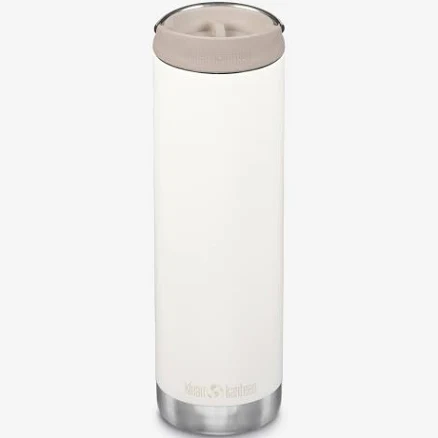
- Stainless steel bottle, stainless steel cap
- The brand calls it PFAS-free, which we have not verified
- Powder-coat cap degradation over time
3 hazards checked on this product, all on its full breakdown.
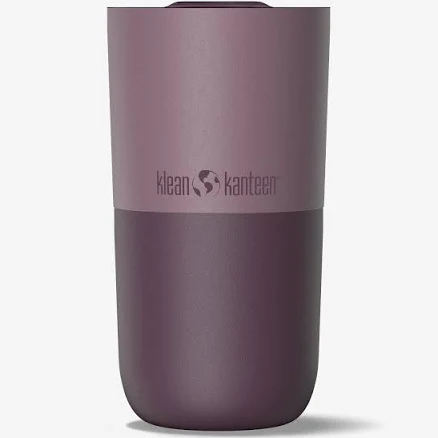
- Stainless steel body, powder-coat finish
- The brand calls it PFAS-free, which we have not verified
- Powder-coat finish degradation
3 hazards checked on this product, all on its full breakdown.
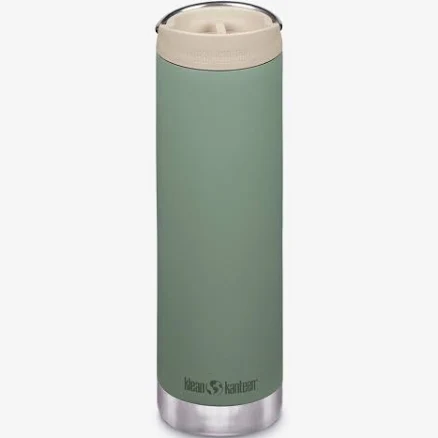
- Stainless steel bottle, plastic cap and silicone gasket
- The brand calls it PFAS-free, which we have not verified
- Silicone gasket degradation and leaching
3 hazards checked on this product, all on its full breakdown.
More insulated drink tumblers grades
How we score, every product runs through the same public 0-100 rubric based on materials, coatings, brand disclosure, lab findings, and recalls. See the full methodology → Spotted a mistake? Report an error.