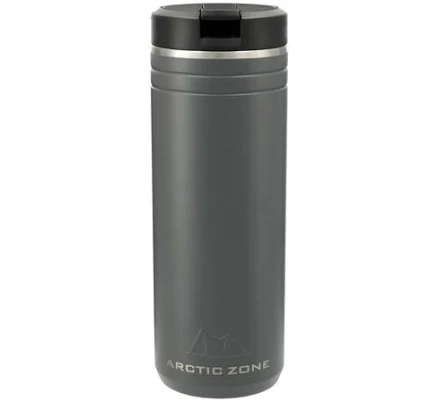
Arctic Zone · Insulated Drink Tumblers
Arctic Zone Titan Thermal HP Tumbler
Tumbler design lowers PFAS risk; no disclosure raises minor concern.
Stainless steel drinking vessel with insulated polymer construction and no brand PFAS information. No water-repellent coating or special coatings are typical for this product type.
We flunk more products than we pass. This one earned its grade. How we grade
Material
stainless steel interior, plastic/polymer exterior
Brand disclosure
Brand is silent on PFAS
Lab data
No public lab test
You may also be interested in
Top-graded picks in the categories readers replace first, every one scored on the same rubric.

- polypropylene filter housing, carbon/sediment cartridge
- We found no PFAS statement from the brand
- Bacterial growth in spent cartridges
3 hazards checked on this product, all on its full breakdown.

Aquasure
Premier Series 75 GPD Under Sink Reverse Osmosis Water Filtration System
- RO membrane, carbon filters, stainless steel housing
- We found no PFAS statement from the brand
- Bacterial and microbial growth in housing and filters
4 hazards checked on this product, all on its full breakdown.

Avocado
Vegan Mattress
- organic cotton, natural latex, coconut coir, recycled steel coils
- The brand calls it PFAS-free, which we have not verified
- Heavy metals
2 hazards checked on this product, all on its full breakdown.
What Arctic Zone Titan Thermal HP Tumbler is made of, ingredients and materials
The Arctic Zone Titan uses a stainless steel interior, which is chemically inert and does not leach metals or off-gas into beverages under normal use. The exterior is a plastic polymer shell (likely polypropylene or acrylic copolymer based on typical Arctic Zone construction), which provides insulation but introduces a secondary contact surface. Stainless steel interiors have no hazard of this kind on record for PFAS and present lower concern than single-wall aluminum or ceramic-coated tumblers.
What’s concerning
Category baseline
The starting point for this type of product, before anything specific to this product is counted.
No PFAS disclosure
No public statement from the brand about PFAS in this product.
BPA & bisphenols
Arctic Zone does not disclose the polymer type or additives in the exterior shell. If the plastic is polycarbonate or contains softening agents, prolonged contact with hot or acidic liquids could migrate trace chemicals; stainless interior mitigates direct food contact, but plastic-to-metal seals may warm during hot beverage use.
Source, FDA ↗Microplastic shedding from degraded plastic
The exterior plastic can scratch or degrade over years of use and dishwashing. No data exists on Arctic Zone tumbler durability in independent testing; visual damage to the plastic surface should trigger inspection of the interior seal for plastic particles.
Seal degradation and bacterial growth
Insulated tumbler seals (rubber gaskets between plastic and stainless layers) are a known maintenance point across all brands. Moisture trapped in the seal cavity can support mold if the tumbler is not fully dried between uses; this is a use-and-care issue rather than a design flaw unique to Arctic Zone.
VOC or odor off-gassing from plastic
New plastic insulated tumblers can emit a faint chemical smell for the first few uses. This is typical for the category and usually dissipates; it reflects production residues rather than ongoing safety risk, but sensitive individuals may want to air the tumbler for 24 hours before first use.
What’s reassuring
Base material not linked to PFAS
The main material recorded for this product is not one associated with PFAS.
Metal leaching from stainless steel (none expected)
Food-grade stainless steel (typically 18/8 or 18/10 alloy) does not leach nickel, chromium, or iron under normal beverage conditions. No credible reports exist of Arctic Zone tumblers showing rust or discoloration that suggests material degradation.
How is this PFAS grade calculated?
The brand's record and disclosure
Arctic Zone (a Wenberg brand group product) does not publicly disclose PFAS content or testing in marketing materials or technical specs. The company has no established history of proactive chemical transparency, though no formal recalls or safety violations are documented for this tumbler line. The lack of third-party certification (e.g., SafeStep, NSF) means safety claims rest on assumed material standards rather than independent verification.
How it compares in its category
Stainless steel insulated tumblers present lower PFAS concern in the drinkware market; competitors like YETI, Hydro Flask, and Contigo use identical interior construction. Arctic Zone typically underprices premium brands while maintaining the same core material safety profile. The main trade-off is brand transparency, higher-end competitors more consistently disclose PFAS testing (often with negative results), whereas Arctic Zone remains silent.
If you buy it
Hand-wash or use the top rack of a dishwasher; avoid prolonged exposure to boiling water (over 200F) which can stress the plastic-to-metal seal. Do not microwave the tumbler itself. Inspect the seal annually for cracks or discoloration; replace if the plastic shows warping or the interior shows condensation buildup that won't dry, signaling potential seal failure. The stainless interior is durable; replacement is typically triggered by seal degradation, not metal corrosion.
What is not known about PFAS in this product?
- Basis
- Model estimate, 72% confidence, not a lab result
- Lab test
- None on record for this exact product
- Brand statement
- Arctic Zone has made none
Formulations change between production runs, so check the current label. How we grade.
What are the PFAS-free alternatives to Arctic Zone Titan Thermal HP Tumbler?
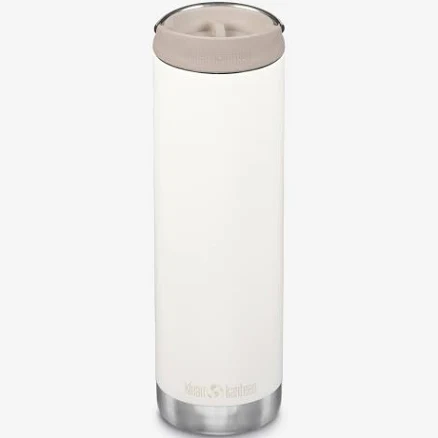
- Stainless steel bottle, stainless steel cap
- The brand calls it PFAS-free, which we have not verified
- Powder-coat cap degradation over time
3 hazards checked on this product, all on its full breakdown.
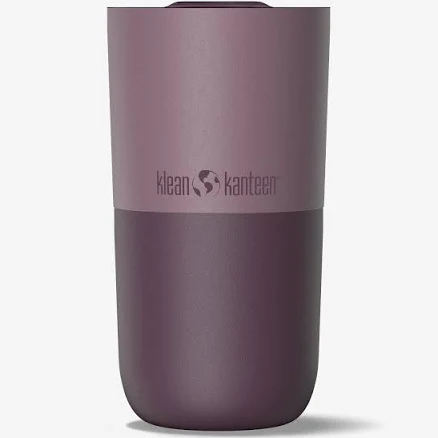
- Stainless steel body, powder-coat finish
- The brand calls it PFAS-free, which we have not verified
- Powder-coat finish degradation
3 hazards checked on this product, all on its full breakdown.
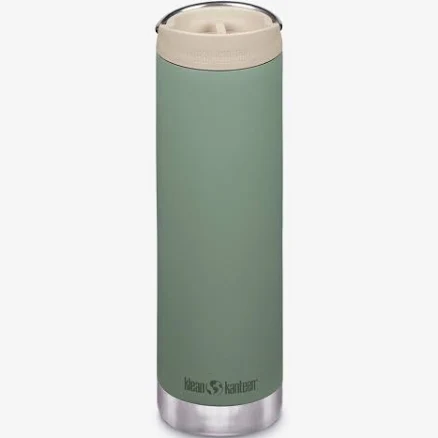
- Stainless steel bottle, plastic cap and silicone gasket
- The brand calls it PFAS-free, which we have not verified
- Silicone gasket degradation and leaching
3 hazards checked on this product, all on its full breakdown.
More insulated drink tumblers grades
How we score, every product runs through the same public 0-100 rubric based on materials, coatings, brand disclosure, lab findings, and recalls. See the full methodology → Spotted a mistake? Report an error.