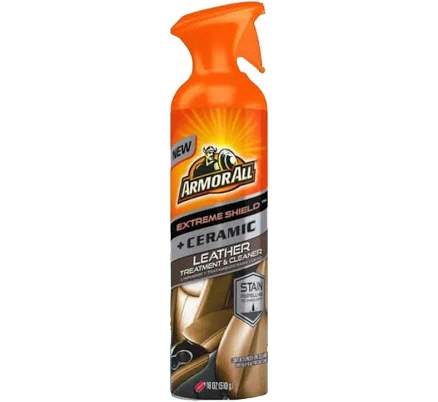
Armor All · Leather Conditioner
Armor All Extreme Shield Ceramic Leather Treatment & Cleaner
Avoid until PFAS ingredients are fully disclosed.
Armor All doesn't disclose PFAS content in this leather treatment. The ceramic coating formula and stain-resistant claims suggest potential fluorinated compounds remain opaque.
The better-graded swap
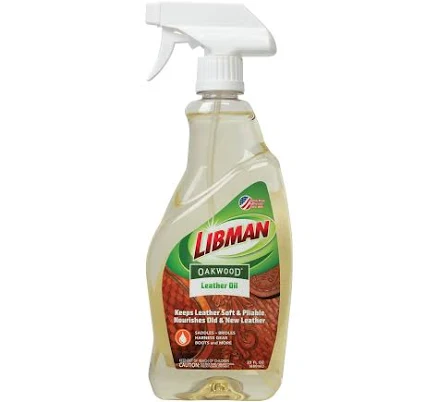
Oakwood
Oakwood Leather Oil Spray
75/100 safety
Same rubric that flunked this product. The swap earned Excellent.
Still want this one anyway? Check the price on Amazon. We’d swap it.
Material
Proprietary ceramic/polymer coating blend
Brand disclosure
Brand is silent on PFAS
Lab data
No public lab test
You may also be interested in
Top-graded picks in the categories readers replace first, every one scored on the same rubric.

- polypropylene filter housing, carbon/sediment cartridge
- We found no PFAS statement from the brand
- Bacterial growth in spent cartridges
3 hazards checked on this product, all on its full breakdown.

Aquasure
Premier Series 75 GPD Under Sink Reverse Osmosis Water Filtration System
- RO membrane, carbon filters, stainless steel housing
- We found no PFAS statement from the brand
- Bacterial and microbial growth in housing and filters
4 hazards checked on this product, all on its full breakdown.

Avocado
Vegan Mattress
- organic cotton, natural latex, coconut coir, recycled steel coils
- The brand calls it PFAS-free, which we have not verified
- Heavy metals
2 hazards checked on this product, all on its full breakdown.
What Armor All Extreme Shield Ceramic Cleaner is made of, ingredients and materials
Armor All Extreme Shield combines a ceramic-polymer coating with solvent carriers in a liquid formula designed to condition and protect leather. The 'ceramic' component typically means silica-based micro-particles that form a hydrophobic layer, while the proprietary polymer blend likely includes resin systems that bond to leather. The exact polymer chemistry is not disclosed publicly, making full hazard assessment impossible. Solvent carriers (typically hydrocarbons or glycol ethers) are standard in these products and aid penetration and drying.
What’s concerning
Category baseline
The starting point for this type of product, before anything specific to this product is counted.
Vague safety claims only
Uses vague language ("eco-friendly", "clean") without a specific PFAS statement.
Waterproof / stain-resistant treatment
Water-repellent coating treatments have historically used PFAS.
Volatile organic compound (VOC) emissions from solvent carriers
Liquid leather treatments universally contain hydrocarbon or glycol ether solvents for application fluidity. Armor All's formula is typical in this regard, and indoor use without ventilation can cause temporary respiratory irritation or headache, particularly with repeated exposure or in poorly ventilated spaces.
Skin sensitization or contact dermatitis from proprietary polymer blend
The undisclosed resin components could include phenolic resins, epoxy derivatives, or other reactive polymers that occasionally trigger contact sensitivity in susceptible individuals. No widespread complaints are documented, but the formula's opacity prevents assessment of known allergens.
Eye or mucous membrane irritation from aerosolized particles or vapors
Ceramic microparticles and solvent vapors can irritate eyes, nose, or throat if application creates mist or vapors are inhaled. Consumer reports of minor irritation exist but are not severe; proper ventilation and applicator technique mitigate this risk significantly.
Polymer coating degradation and microplastic shedding over time
Ceramic-polymer coatings degrade under UV exposure, heat, and mechanical flexing of leather. As the coating breaks down, micro-fragments of polymer may shed; long-term ingestion hazard is theoretical but unknown without product-specific durability testing.
PFAS
Ceramic coatings often incorporate perfluorinated compounds to enhance water-beading and durability. Armor All has not confirmed or denied the presence of PFAS; this remains the primary reason for caution with this product until full ingredient disclosure is provided.
Source, ATSDR ↗How is this PFAS grade calculated?
The brand's record and disclosure
Armor All (part of Energizer Holdings) maintains a largely opaque ingredient disclosure policy for this product line, listing only broad chemical categories rather than specific compounds. The brand has not published a commitment to PFAS-free formulation or transparency regarding fluorinated additives, which are sometimes used in premium ceramic coatings to enhance water-repellency. No major safety recalls specific to this product are on public record, but the lack of detailed ingredient transparency limits independent verification of hazard claims. The brand's historical stance has been to prioritize marketing claims over detailed safety documentation for consumer-level products.
How it compares in its category
Leather treatment products span a wide range from simple oils (mineral or plant-based) to complex polymer systems. Armor All's ceramic-hybrid approach sits in the mid-to-premium tier and shares formulation complexity with competitors like Leather Honey and mink oil blends, but offers less ingredient transparency than many alternatives. Plant-oil or beeswax-based leather treatments typically carry lower chemical hazard profiles, though they require more frequent reapplication. Silicone-based treatments are more common and often better disclosed but may leave a glossier finish than ceramic coatings.
If you buy it
Apply only to well-ventilated areas or outdoors, as solvent vapors can accumulate indoors. Avoid prolonged skin contact; wear gloves and wash hands thoroughly after use. Do not apply to leather that will contact food or infants' skin without thorough drying and airing (typically 24 hours). Reapply every 3-6 months depending on wear; over-application can cause buildup and stiffness. Store in a cool, dry place away from heat sources, as the polymer matrix may degrade or off-gas if exposed to elevated temperatures.
What is not known about PFAS in this product?
- Basis
- Model estimate, 35% confidence, not a lab result
- Lab test
- None on record for this exact product
- Brand statement
- Armor All has made none
Formulations change between production runs, so check the current label. How we grade.
What are the PFAS-free alternatives to Armor All Extreme Shield Ceramic Leather Treatment & Cleaner?
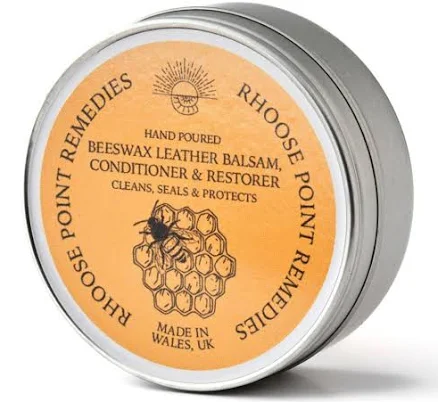
- Beeswax, oils, mineral waxes
- We found no PFAS statement from the brand
- Mineral oil contamination or refinery residues
4 hazards checked on this product, all on its full breakdown.
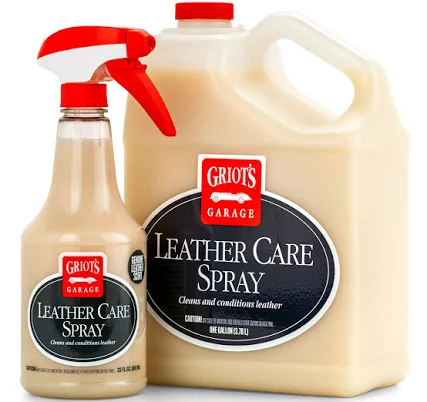
- Flaxseed oil base, leather conditioning
- We found no PFAS statement from the brand
- Fragrance allergens / undisclosed ingredients
3 hazards checked on this product, all on its full breakdown.
- flaxseed oil
- We found no PFAS statement from the brand
- Oxidative rancidity and microbial contamination
2 hazards checked on this product, all on its full breakdown.
More leather conditioner grades
How we score, every product runs through the same public 0-100 rubric based on materials, coatings, brand disclosure, lab findings, and recalls. See the full methodology → Spotted a mistake? Report an error.