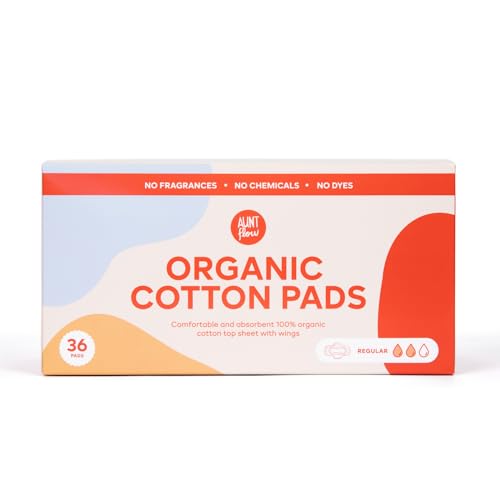
Aunt Flow Pads
Buy. PFAS-free certified with lab testing and organic material.
Aunt Flow pads are MADE SAFE certified, PFAS-free, and made from organic cotton without synthetic coatings or chemical treatments. Third-party verified lower concern for PFAS exposure.
Brand says: “Aunt Flow is PFAS-free and certified organic. Pads made without chlorine, rayon, fragrances, or dioxins.”
We flunk more products than we pass. This one earned its grade. How we grade
Material
organic cotton with natural fibers
Brand disclosure
Brand claims PFAS-free
Lab data
No PFAS found in testing
You may also be interested in
Top-graded picks in the categories readers replace first, every one scored on the same rubric.

- polypropylene filter housing, carbon/sediment cartridge
- We found no PFAS statement from the brand
- Bacterial growth in spent cartridges
3 hazards checked on this product, all on its full breakdown.

Aquasure
Premier Series 75 GPD Under Sink Reverse Osmosis Water Filtration System
- RO membrane, carbon filters, stainless steel housing
- We found no PFAS statement from the brand
- Bacterial and microbial growth in housing and filters
4 hazards checked on this product, all on its full breakdown.

Avocado
Vegan Mattress
- organic cotton, natural latex, coconut coir, recycled steel coils
- The brand calls it PFAS-free, which we have not verified
- Heavy metals
2 hazards checked on this product, all on its full breakdown.
What Aunt Flow Pads is made of, ingredients and materials
Aunt Flow pads are constructed from organic cotton and natural fibers, which means the cotton is grown without synthetic pesticides, herbicides, or GMO seeds. Organic cotton eliminates the pesticide residue concern present in conventional cotton pads, where trace pesticide exposure through skin contact or absorption is possible over repeated use. The use of natural fibers rather than synthetic polyester or rayon reduces exposure to petroleum-derived materials and associated chemical processing risks common in conventional pad production.
What’s concerning
Category baseline
The starting point for this type of product, before anything specific to this product is counted.
Microplastics
Product material summary does not explicitly state presence or absence of SAP gels. Conventional pads use acrylic-based SAP gels; if Aunt Flow uses these for absorbency, long-term vaginal exposure and degradation are unquantified but not documented as problematic in the literature. Clarification from the brand would confirm whether absorbency relies on fiber structure alone or includes polymer gel
Source, EPA ↗What’s reassuring
Base material not linked to PFAS
The main material recorded for this product is not one associated with PFAS.
Third-party PFAS-free verification
A third party reports verifying this product as PFAS-free.
No PFAS found in lab test
No PFAS detected in independent testing.
Pesticide residue
Organic certification eliminates synthetic pesticide use in fiber production. No testing records indicate pesticide contamination in Aunt Flow pads, and organic status removes the primary pathway for this hazard.
Source, EPA ↗Dioxin contamination from bleaching
Brand states chlorine-free bleaching; no dioxin residues have been reported in testing or product recalls. Organic cotton and declared processing transparency reduce typical bleaching-related contamination pathways.
Azo dyes or synthetic dye contamination
No synthetic dyes, fragrances, or colorants are listed in product materials. Organic cotton pads typically use minimal dyes; no azo dye concerns are documented for this brand.
Formaldehyde / VOCs
No wrinkle-resistant or permanent-press resins are typical in cotton pad production. No formaldehyde use or residues are documented for Aunt Flow products, and brand transparency does not flag this as a processing step.
Source, ATSDR ↗How is this PFAS grade calculated?
The brand's record and disclosure
Aunt Flow publishes ingredient sourcing information and has obtained PFAS-free certification with third-party lab testing, which is uncommon transparency in the period-care industry. The brand explicitly markets products as free of chlorine bleach, synthetic fragrances, and dioxins, claims supported by their published testing practices. No established recalls, safety controversies, or undisclosed chemical incidents are on record for this brand or product line.
How it compares in its category
Most conventional period pads are made from bleached wood pulp and rayon with superabsorbent polymer gels, which carry documented concerns about dioxin residues and potential for vaginal irritation. Aunt Flow's organic cotton positioning places it at the higher-transparency, lower-chemical-processing end of the category, alongside other certified organic cotton brands but distinguished by explicit PFAS-free testing. The organic cotton baseline eliminates a major pesticide residue pathway that exists in standard pad products.
If you buy it
Store pads in a cool, dry place away from direct sunlight to preserve the fiber integrity and prevent any mold growth in humid bathrooms. Replace pads according to normal menstrual flow patterns; there is no chemical degradation or heat-stability concern that would trigger early replacement. Wash reusable storage pouches or applicators separately if included; organic cotton itself requires no special laundering beyond standard detergent. Discontinue use if any localized skin irritation develops and consult a healthcare provider to rule out individual sensitivity rather than a product defect.
What is not known about PFAS in this product?
- Basis
- Model estimate, 92% confidence, not a lab result
- Lab test
- Independent test found none
- Brand statement
- Aunt Flow has made a specific claim
Formulations change between production runs, so check the current label. How we grade.
More period care grades
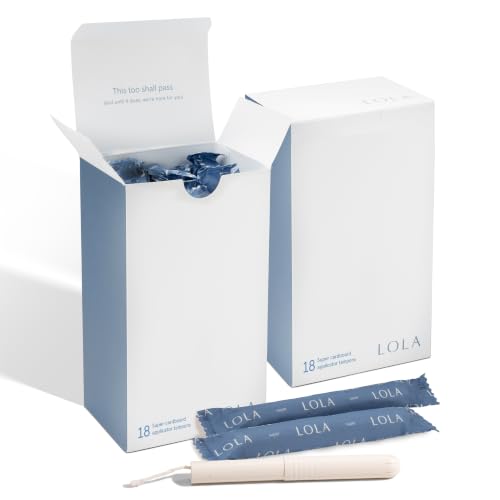 70Lola 100% Organic Cotton Tampons Cardboard Applicator
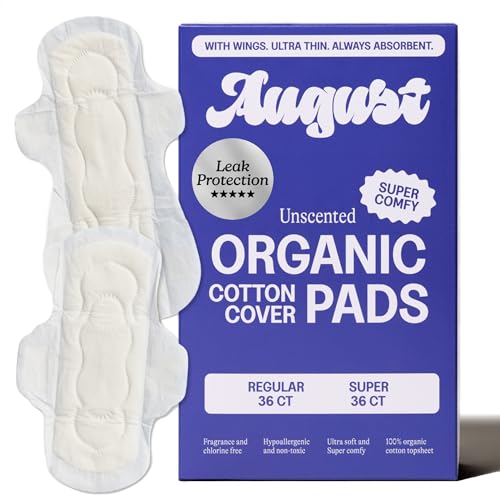 70August Organic Cotton Top Layer Pads, 36-Pack Regular
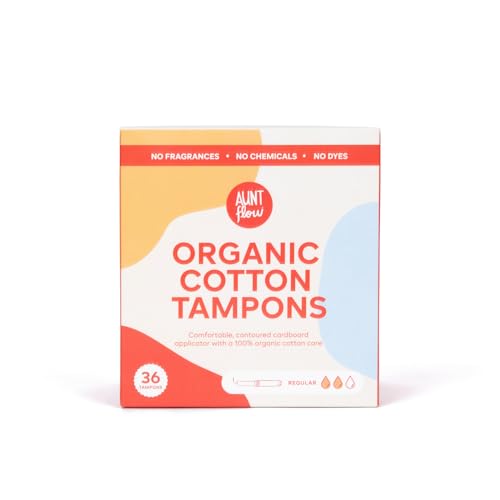 70Aunt Flow Organic Cotton Cardboard Applicator Tampons
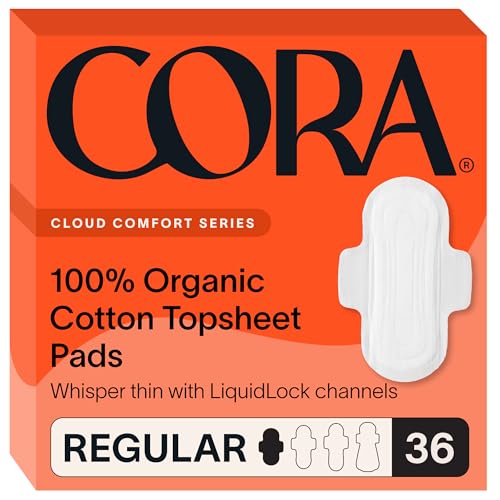 70Cora Organic Cotton Pads
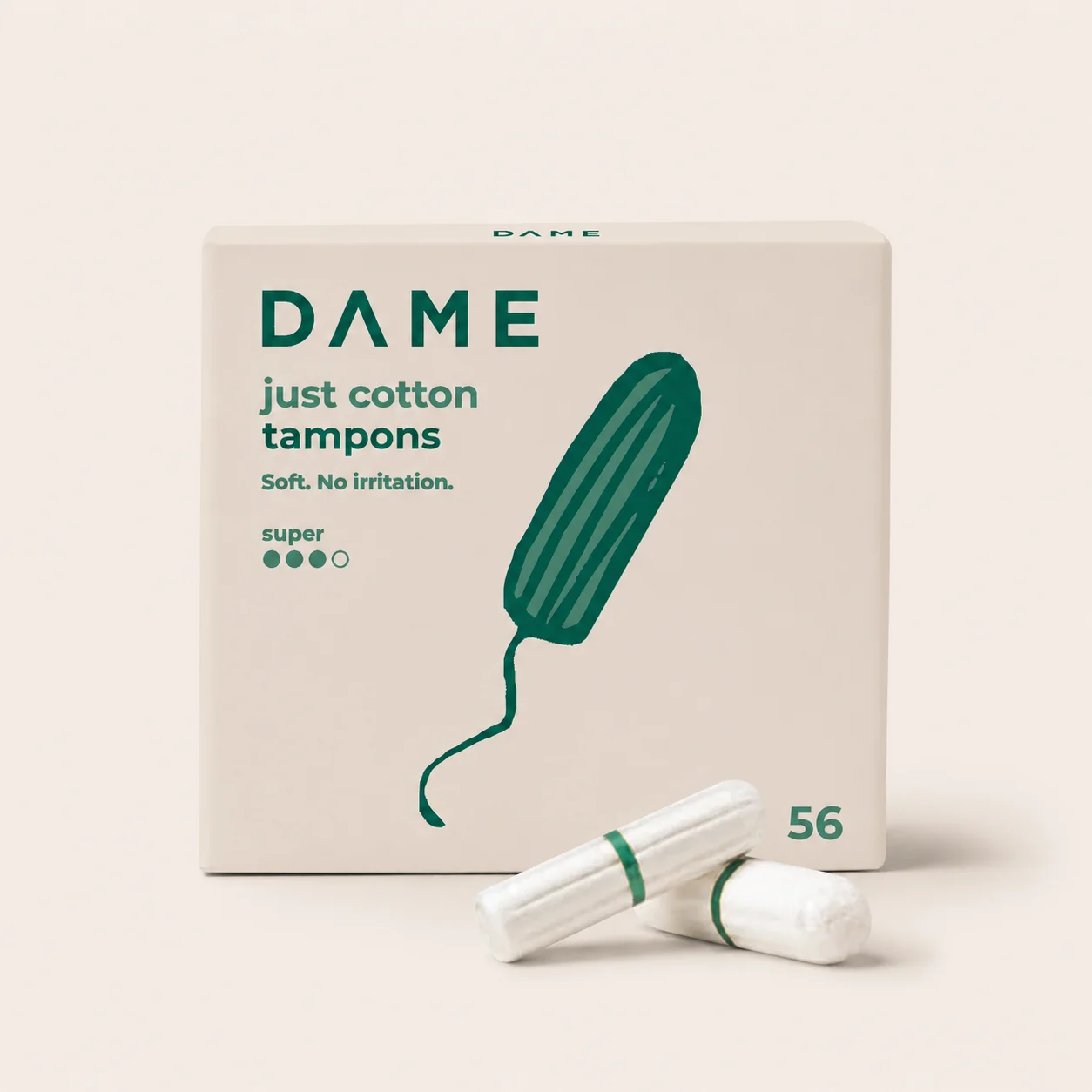 70Dame Organic Cotton Tampons
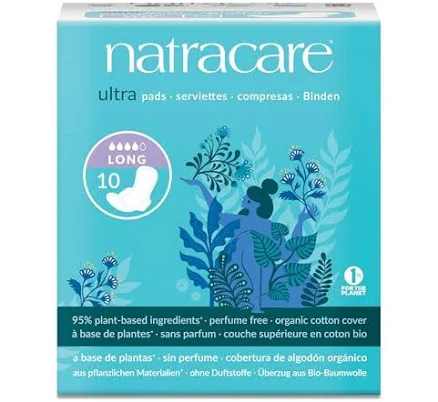 100Natracare Organic Pads
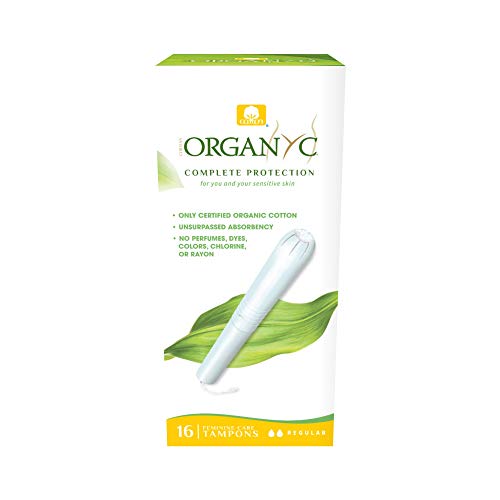 100Organyc 100% Certified Organic Cotton Tampons Cardboard Applicator
 100Seventh Generation Maxi Pads - Overnight
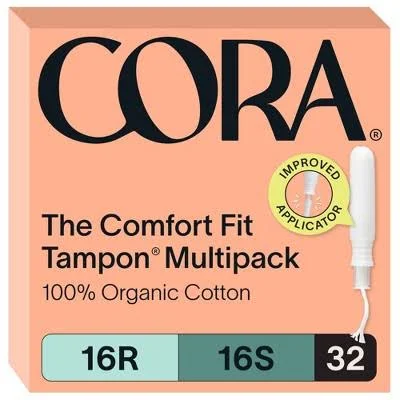 70Cora Organic Tampons
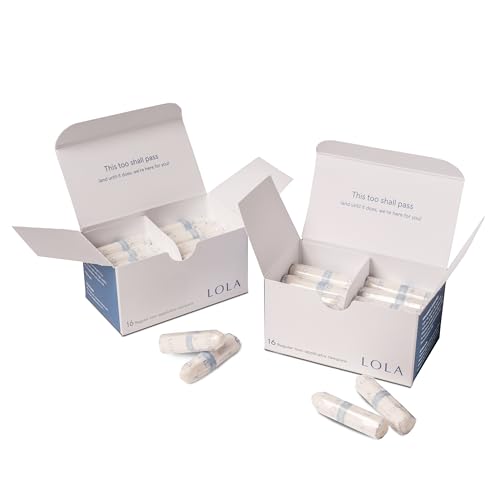 70Lola 100% Organic Cotton Tampons Applicator FreeCompare vs Natracare →All period care →
How we score, every product runs through the same public 0-100 rubric based on materials, coatings, brand disclosure, lab findings, and recalls. See the full methodology → Spotted a mistake? Report an error.