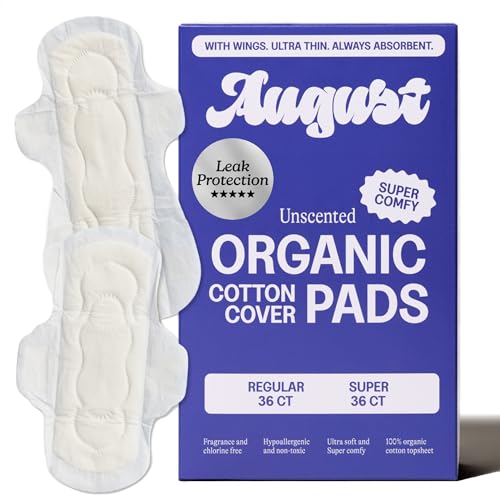
August Organic Cotton Top Layer Pads, 36-Pack Regular
Lower concern. Organic cotton pads unlikely to contain PFAS.
August Organic Cotton pads are made from cotton without disclosed coatings or treatments. No brand PFAS claims or third-party verification available, but bare organic cotton presents lower PFAS risk than treated materials.
We flunk more products than we pass. This one earned its grade. How we grade
Material
organic cotton top layer
Brand disclosure
Brand is silent on PFAS
Lab data
No public lab test
You may also be interested in
Top-graded picks in the categories readers replace first, every one scored on the same rubric.

- polypropylene filter housing, carbon/sediment cartridge
- We found no PFAS statement from the brand
- Bacterial growth in spent cartridges
3 hazards checked on this product, all on its full breakdown.

Aquasure
Premier Series 75 GPD Under Sink Reverse Osmosis Water Filtration System
- RO membrane, carbon filters, stainless steel housing
- We found no PFAS statement from the brand
- Bacterial and microbial growth in housing and filters
4 hazards checked on this product, all on its full breakdown.

Avocado
Vegan Mattress
- organic cotton, natural latex, coconut coir, recycled steel coils
- The brand calls it PFAS-free, which we have not verified
- Heavy metals
2 hazards checked on this product, all on its full breakdown.
What August Organic Cotton Top 36-Pack Regular is made of, ingredients and materials
August's top layer is organic cotton, grown without synthetic pesticides or fertilizers, which reduces residual chemical exposure compared to conventional cotton pads. Organic cotton still undergoes bleaching and finishing processes typical of textile production, but the absence of pesticide residues is the primary chemical advantage. The pad structure typically includes absorbent layers beneath the cotton surface, and August does not disclose the composition of those layers in publicly available materials.
What’s concerning
No PFAS disclosure
No public statement from the brand about PFAS in this product.
Category baseline
The starting point for this type of product, before anything specific to this product is counted.
Formaldehyde / VOCs
Organic cotton still undergoes bleaching and dye-fixing processes that may involve formaldehyde-releasing resins. No specific testing data for August pads has been published, but this is a category-wide exposure for all cotton textiles post-processing.
Source, ATSDR ↗Azo dyes and color fastness
If the pad includes any colored elements (packaging or print), azo dyes are a potential concern, though modern certified organic fabrics typically avoid prohibited azo dyes. August's organic certification does not guarantee azo-dye-free status for inks or prints on the packaging.
Bleach residue and alkaline irritation
Organic cotton pads are bleached during manufacturing to achieve whiteness. While residue is typically minimal in finished products, individuals with sensitive mucous membranes may experience irritation; this is not unique to August but applies to the product category.
What’s reassuring
Base material not linked to PFAS
The main material recorded for this product is not one associated with PFAS.
Pesticide residue
August does not disclose materials in absorbent layers beneath the organic cotton top. If those layers are conventional cotton, wood pulp, or other plant fibers, residual pesticides are a theoretical concern, but no testing or recall data exists for this product.
Source, EPA ↗Microplastic shedding from non-cotton layers
If absorptive sub-layers contain synthetic fibers or polymers, shedding is theoretically possible, but August has not disclosed these materials. No shedding data or complaints have been established for organic cotton pad products.
How is this PFAS grade calculated?
The brand's record and disclosure
August maintains a marketing stance emphasizing organic certification but provides limited detailed safety or chemical disclosure beyond the organic cotton claim. No major product recalls or safety controversies have been established for this product line. The brand's PFAS stance is silent, meaning no independent commitment to PFAS avoidance or testing disclosure is on record, though the organic cotton top layer itself presents lower inherent PFAS risk.
How it compares in its category
Organic cotton top-layer pads occupy a middle position in period-care safety, they avoid synthetic fiber concerns (polyester antimony, for example) but may still carry finishing chemical residues. Conventional cotton pads and those with rayon or wood-pulp viscose layers present different hazard profiles. Certified organic options like August's are generally considered lower-concern relative to conventional alternatives, though transparency on sub-surface materials remains limited across most brands.
If you buy it
Store in a cool, dry place away from direct sunlight to preserve absorbency and prevent mold. If irritation develops, discontinue use and consult a healthcare provider; reactions are typically rare with organic cotton but can occur due to dyes, bleach residue, or individual sensitivity. Replace the entire pack if any pads show discoloration, odor, or visible mold. No special washing or treatment of the pads is necessary before use.
What is not known about PFAS in this product?
- Basis
- Model estimate, 78% confidence, not a lab result
- Lab test
- None on record for this exact product
- Brand statement
- August has made none
Formulations change between production runs, so check the current label. How we grade.
What are the PFAS-free alternatives to August Organic Cotton Top Layer Pads, 36-Pack Regular?
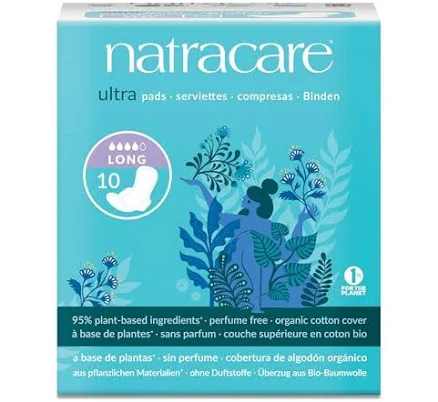
- A third party reports verifying it as PFAS-free
- Fragrance allergens (if scented variant)
2 hazards checked on this product, all on its full breakdown.
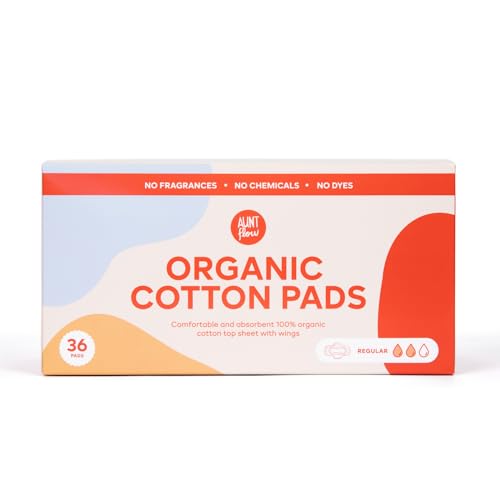
- organic cotton with natural fibers
- The brand calls it PFAS-free, which we have not verified
- Microplastics
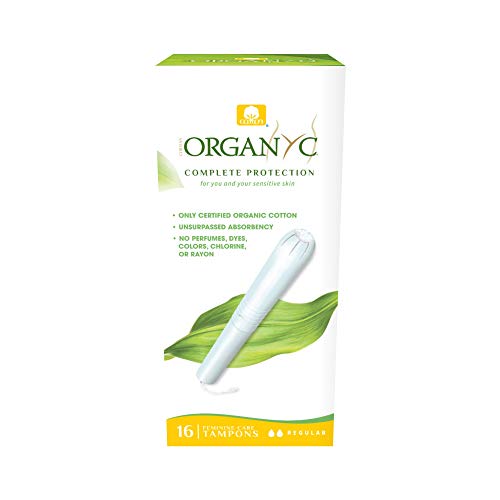
Organyc
100% Certified Organic Cotton Tampons Cardboard Applicator
- 100% organic cotton with cardboard applicator
- We found no PFAS statement from the brand
- Cardboard applicator structural integrity over time
More period care grades
 100Seventh Generation Maxi Pads - Overnight
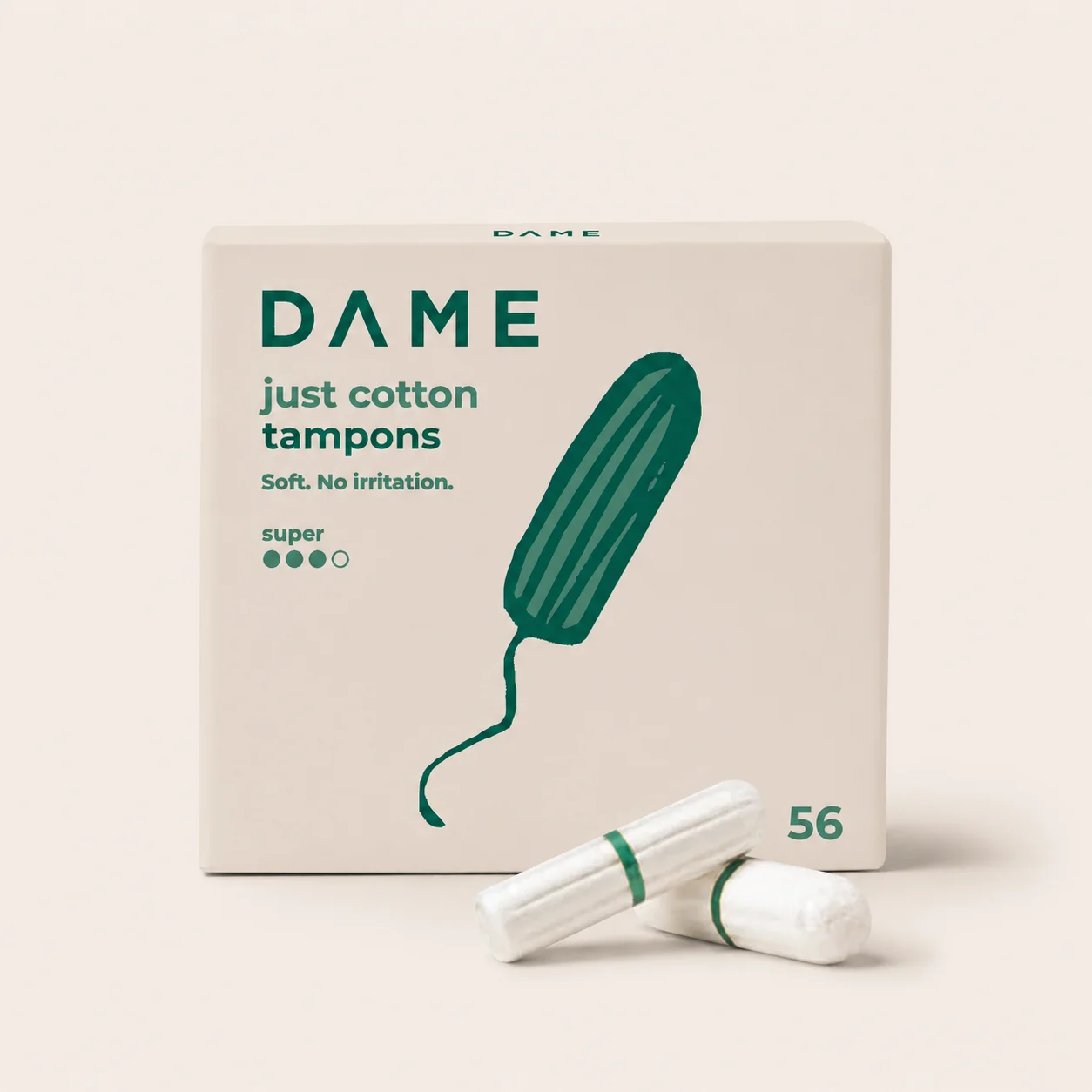 70Dame Organic Cotton Tampons
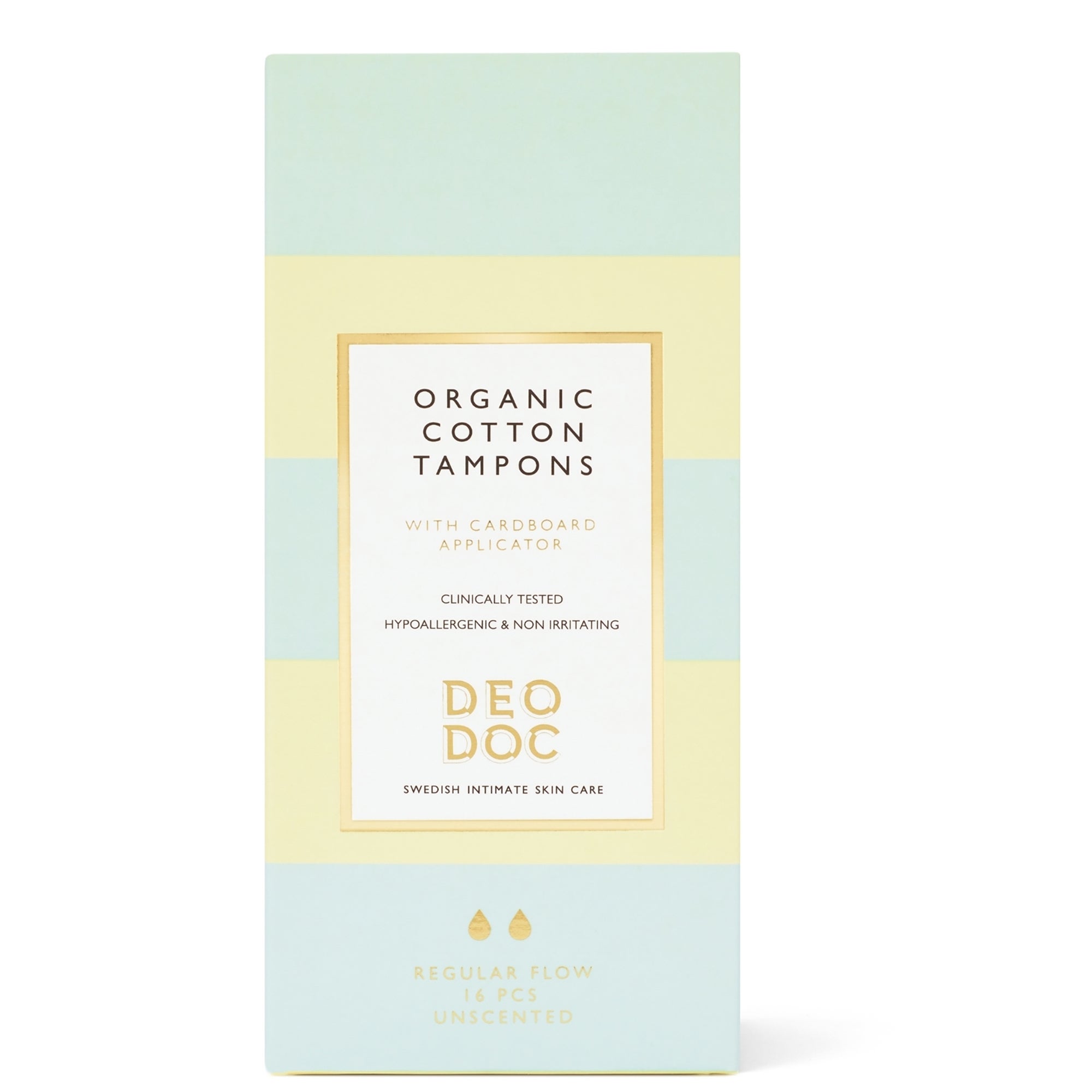 70DeoDoc Cotton Tampons
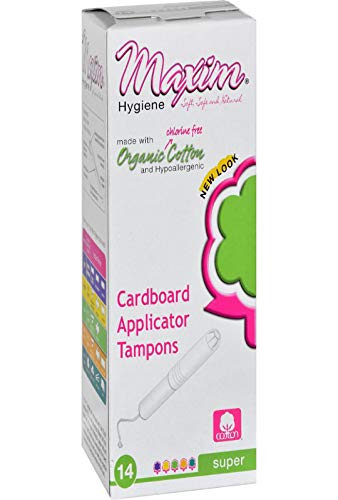 70Maxim Hygiene Organic Cotton Cardboard Applicator Tampons
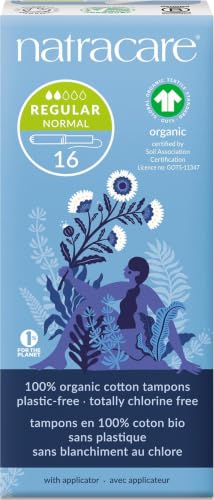 70Natracare Organic Cotton Tampons
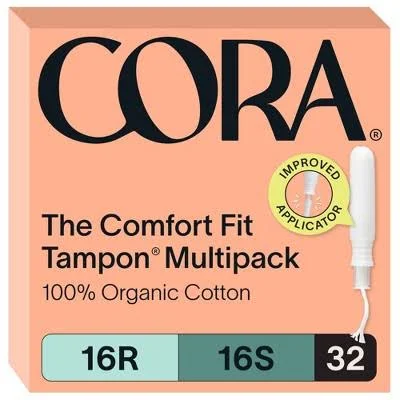 70Cora Organic Tampons
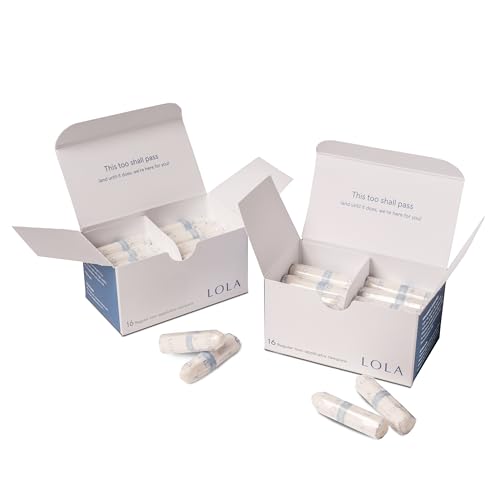 70Lola 100% Organic Cotton Tampons Applicator Free
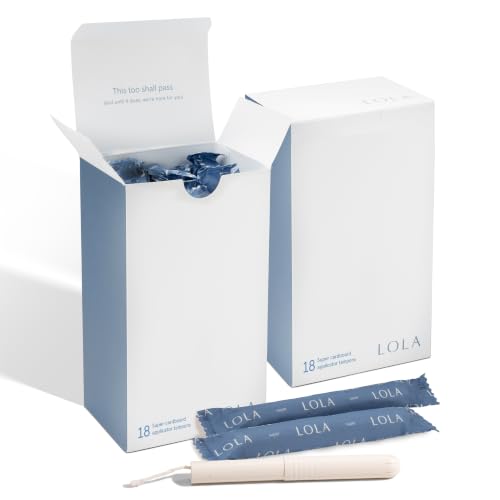 70Lola 100% Organic Cotton Tampons Cardboard Applicator
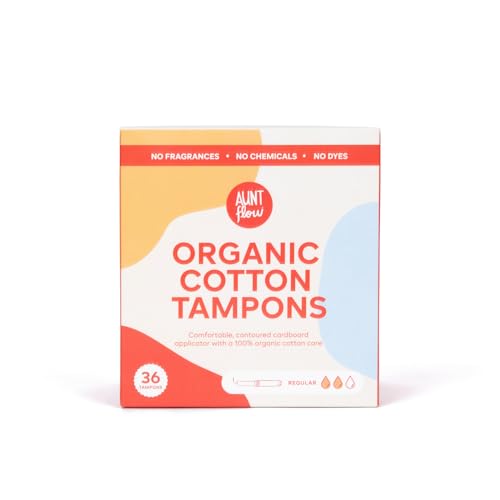 70Aunt Flow Organic Cotton Cardboard Applicator Tampons
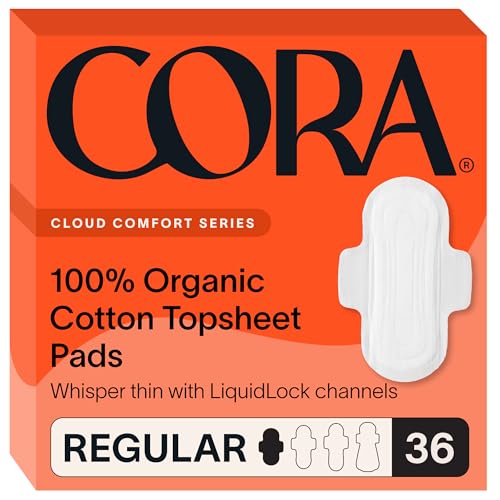 70Cora Organic Cotton PadsCompare vs Natracare →All period care →
How we score, every product runs through the same public 0-100 rubric based on materials, coatings, brand disclosure, lab findings, and recalls. See the full methodology → Spotted a mistake? Report an error.