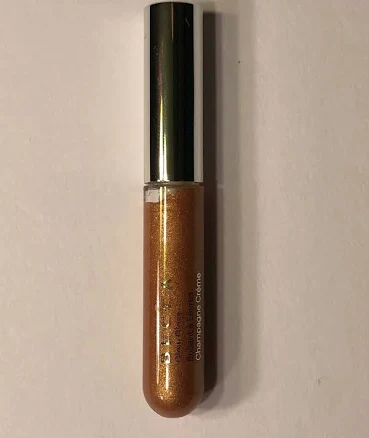
Becca Cosmetics · Lip Balm & Long-Wear Lipstick
Becca Glow Gloss
Low risk; no known PFAS-prone ingredients, but brand offers no transparency.
This lip gloss contains standard emollients (oils, waxes, silicones) that don't inherently require PFAS for function. No public evidence of Teflon-family coating coatings or water-resistance treatments typical of PFAS-heavy cosmetics exists.
We flunk more products than we pass. This one earned its grade. How we grade
Material
Glycerin, silicones, oils, waxes (typical lip/glow gloss base)
Brand disclosure
Brand is silent on PFAS
Lab data
No public lab test
What Becca Glow Gloss is made of, ingredients and materials
Becca Glow Gloss uses a standard lip gloss formulation, glycerin (humectant), silicones (slip and shine), oils, and waxes (texture and wear). This combination is common across mass-market lip products and carries no known leaching or degradation hazards in normal lip use. Silicones in cosmetics do not off-gas or break down on skin; glycerin and plant oils are inert to skin contact at room temperature.
What’s concerning
Category baseline
The starting point for this type of product, before anything specific to this product is counted.
No PFAS disclosure
No public statement from the brand about PFAS in this product.
Fragrance allergens (undisclosed compounds)
Product contains fragrance but Becca does not list specific fragrance ingredients on packaging or online. Common lip gloss fragrance compounds (e.g., limonene, linalool) can trigger contact dermatitis in sensitive individuals; individual reaction risk cannot be quantified without full disclosure.
What’s reassuring
Base material not linked to PFAS
The main material recorded for this product is not one associated with PFAS.
Heavy metals
Becca does not publish trace metal testing for this product. Lip glosses typically use FDA-approved colorants in low concentration; no recalls or contamination reports exist for Becca Glow Gloss. Risk remains theoretical unless independent testing surfaces contamination.
Source, FDA ↗Talc contamination or presence
No ingredient list indicates talc in Becca Glow Gloss formulation. Lip glosses rarely use talc; glycerin and silicones serve the slip function instead. No known asbestos or talc concern for this product on public record.
Formaldehyde / VOCs
Becca's stated base is glycerin, silicones, oils, and waxes, none of which are known 1,4-dioxane sources or formaldehyde-releasing preservative precursors. No preservative type is disclosed, but lip glosses generally use lower preservative loads than creams due to oil and glycerin content, reducing risk.
Source, ATSDR ↗Silicone bioaccumulation or persistence on skin
Cosmetic-grade silicones (cyclopentasiloxane, dimethicone) are not absorbed systemically through intact skin and rinse or wear off within hours. No established bioaccumulation concern in lip gloss use; regulatory bodies classify these silicones as low concern for cosmetic application.
The full breakdown
The brand's record and disclosure
Becca Cosmetics has no publicized safety recalls or formulation controversies on record for this product line. The brand does not publish ingredient certifications, heavy metal testing, or fragrance allergen warnings on packaging or website. Becca is owned by Estée Lauder Companies, which follows FDA cosmetic ingredient compliance but does not exceed standard disclosure practice.
How it compares in its category
Lip glosses as a category have lower hazard exposure than long-wear liquid lipsticks or matte formulations, which may contain film-forming resins or higher pigment loads. Becca Glow Gloss sits in the mainstream segment, no premium clean-beauty certification, but also no reported issues with heavy metals or endocrine disruptors in this specific product. Comparable products (e.g., MAC Lipglass, Fenty Gloss Bomb) share similar silicone-glycerin bases with equivalent safety profiles.
If you buy it
Store at room temperature away from direct sunlight to prevent silicone phase separation or oil oxidation, though this is cosmetic only and does not create a safety hazard. Replace every 12 months or if you notice separation, discoloration, or rancid odor. Do not apply to broken or severely chapped lips, as glycerin can draw moisture from skin if the barrier is compromised. Patch test on inner lip first if you have fragrance sensitivity, as the specific fragrance compound list is not published by the brand.
What we don’t know
- Basis
- Model estimate, 72% confidence, not a lab result
- Lab test
- None on record for this exact product
- Brand statement
- Becca Cosmetics has made none
Formulations change between production runs, so check the current label. How we grade.
More lip balm & long-wear lipstick grades
How we score, every product runs through the same public 0-100 rubric based on materials, coatings, brand disclosure, lab findings, and recalls. See the full methodology → Spotted a mistake? Report an error.