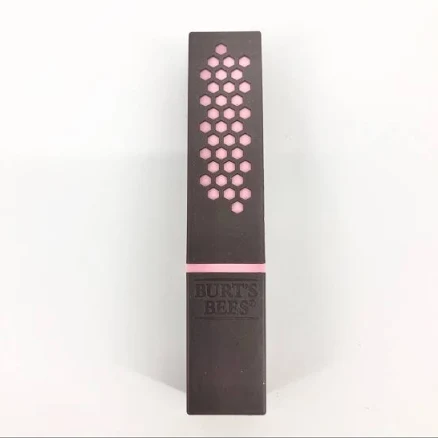
Burt's Bees · Lip Balm & Long-Wear Lipstick
Burt's Bees Lipstick Iced Iris
Lower concern. Conventional lipstick with no known PFAS risks identified.
Burt's Bees lipsticks use traditional wax and oil bases without waterproofing or stain-resistant treatments typical of PFAS-bearing cosmetics. No public disclosure of PFAS content, but material composition suggests minimal risk.
We flunk more products than we pass. This one earned its grade. How we grade
Material
wax, oils, pigments (standard lip color base)
Lab data
No public lab test
You may also be interested in
Top-graded picks in the categories readers replace first, every one scored on the same rubric.

- polypropylene filter housing, carbon/sediment cartridge
- We found no PFAS statement from the brand
- Bacterial growth in spent cartridges
3 hazards checked on this product, all on its full breakdown.

Aquasure
Premier Series 75 GPD Under Sink Reverse Osmosis Water Filtration System
- RO membrane, carbon filters, stainless steel housing
- We found no PFAS statement from the brand
- Bacterial and microbial growth in housing and filters
4 hazards checked on this product, all on its full breakdown.

Avocado
Vegan Mattress
- organic cotton, natural latex, coconut coir, recycled steel coils
- The brand calls it PFAS-free, which we have not verified
- Heavy metals
2 hazards checked on this product, all on its full breakdown.
What Burt's Bees Lipstick Iced Iris is made of, ingredients and materials
Burt's Bees lipsticks use a wax-and-oil base (typically beeswax, plant oils, and shea butter) rather than synthetic polymers, which reduces exposure to volatile compounds during application. Pigments are mineral or synthetic colorants mixed into this inert matrix. This formulation approach is inherently gentler than products using plasticizers or high-volatility carriers, since the wax creates a stable, non-volatile delivery system that sits on the lips rather than evaporating into breath and mouth tissues.
What’s concerning
Category baseline
The starting point for this type of product, before anything specific to this product is counted.
No PFAS disclosure
No public statement from the brand about PFAS in this product.
Fragrance allergens and essential oils
Burt's Bees lipsticks contain natural fragrances and essential oils (often including lavender, peppermint, or other botanicals). These can trigger contact dermatitis, sensitization, or allergic reactions in individuals with fragrance sensitivities or compromised lip skin barrier, though prevalence is low in the general population.
Formaldehyde / VOCs
Burt's Bees does not disclose preservative chemistry in full detail on standard packaging. If the formula uses Imidazolidinyl urea, DMDM hydantoin, or similar formaldehyde-releasing agents, low levels of formaldehyde gas can off-gas during storage and use. These are permitted by FDA but may irritate sensitive mucous membranes.
Source, ATSDR ↗Rancidity and microbial growth in wax-oil base
Natural wax-and-oil formulas are prone to oxidation and spoilage without synthetic preservatives, especially if stored warm or beyond 12-18 months. Lipsticks with visible separation, off-odors, or discoloration may develop bacterial or mold colonies, particularly if applicator contamination occurs through sharing.
What’s reassuring
Base material not linked to PFAS
The main material recorded for this product is not one associated with PFAS.
Lead
No recalls or established contamination reports exist for Burt's Bees Iced Iris. However, the brand does not publish independent heavy metal testing; mineral and synthetic pigments in cosmetics can contain trace metals, but risk is considered low for conventional formulations from established brands with regulatory oversight.
Source, ATSDR ↗Talc contamination
This specific product is not labeled as talc-containing on available ingredient lists. Burt's Bees' wax formulas typically use alternative slip agents (mica, silica, or plant-derived powders), reducing asbestos and talc inhalation risk that affects some powder cosmetics.
How is this PFAS grade calculated?
The brand's record and disclosure
Burt's Bees is certified cruelty-free by PETA and publishes ingredient lists transparently on product packaging and website. The brand has not faced major recalls or safety controversies on record for this product line. However, the brand does not proactively disclose independent third-party testing results for heavy metals, fragrance allergens, or other cosmetic contaminants, which is common industry practice but leaves verification gaps for consumers seeking certainty.
How it compares in its category
Natural wax-based lipsticks like this one sit in the lower-risk segment of the lipstick category, which includes high-synthetic and long-wear formulas that may contain more volatile solvents, film-forming polymers, or synthetic fragrance compounds. Iced Iris does not carry the conventional heavy-metal concerns of matte or metallic pigmented lipsticks in the same way, since Burt's Bees uses simpler colorant profiles. It is a middle-ground product, with lower concern than industrial cosmetics, but without the third-party testing transparency of premium clean brands.
If you buy it
Store the lipstick in a cool, dry place away from direct heat and sunlight to prevent wax degradation and color separation. Replace every 12 months or sooner if you notice odor changes, discoloration, or separation, as wax-based formulas are prone to rancidity over time. Do not share applicators with others to reduce bacterial transfer. If you have sensitive lips or known fragrance allergies, perform a patch test on inner arm first, since this product contains fragrance and essential oils that may trigger contact dermatitis in susceptible individuals.
What is not known about PFAS in this product?
- Basis
- Model estimate, 78% confidence, not a lab result
- Lab test
- None on record for this exact product
- Brand statement
- Burt's Bees has made a specific claim
Formulations change between production runs, so check the current label. How we grade.
More lip balm & long-wear lipstick grades
How we score, every product runs through the same public 0-100 rubric based on materials, coatings, brand disclosure, lab findings, and recalls. See the full methodology → Spotted a mistake? Report an error.