Burt's Bees · Lip Balm & Long-Wear Lipstick
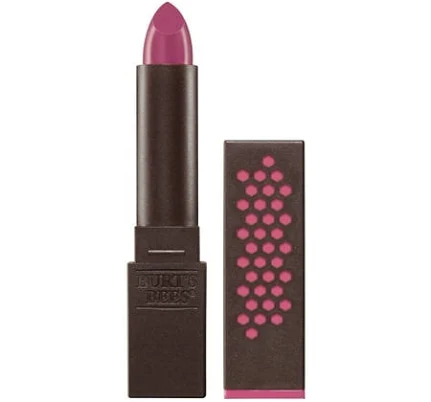
Burt's Bees 100% Natural Moisturizing Lipstick, Fuchsia Flood, 1 Tube, Pink
Lower concern. Natural lipstick with no known PFAS risks.
Burt's Bees lipsticks are formulated with beeswax and natural oils, inherently lower-risk materials. No waterproofing, Teflon-family coating, or PFAS-typical treatments documented for this product.
We flunk more products than we pass. This one earned its grade. How we grade
Material
Natural waxes and oils (beeswax, plant oils, pigments)
Lab data
No public lab test
You may also be interested in
Top-graded picks in the categories readers replace first, every one scored on the same rubric.

- polypropylene filter housing, carbon/sediment cartridge
- We found no PFAS statement from the brand
- Bacterial growth in spent cartridges
3 hazards checked on this product, all on its full breakdown.

Aquasure
Premier Series 75 GPD Under Sink Reverse Osmosis Water Filtration System
- RO membrane, carbon filters, stainless steel housing
- We found no PFAS statement from the brand
- Bacterial and microbial growth in housing and filters
4 hazards checked on this product, all on its full breakdown.

Avocado
Vegan Mattress
- organic cotton, natural latex, coconut coir, recycled steel coils
- The brand calls it PFAS-free, which we have not verified
- Heavy metals
2 hazards checked on this product, all on its full breakdown.
What Burt's Bees 100% Natural Tube, Pink is made of, ingredients and materials
Burt's Bees 100% Natural Moisturizing Lipstick is formulated from beeswax, plant oils (jojoba, soybean, canola), and natural mineral pigments rather than synthetic dyes or chemical binders. The absence of synthetic colorants and plasticizers significantly reduces exposure to problematic additives like phthalates or azo dyes that are common in conventional lipsticks. Because it is a topical product applied intermittently to lips (not ingested in meaningful quantities), dermal absorption of any remaining trace contaminants is minimal.
What’s concerning
Category baseline
The starting point for this type of product, before anything specific to this product is counted.
No PFAS disclosure
No public statement from the brand about PFAS in this product.
Lead
Natural mineral mica and iron oxide pigments can occasionally carry trace heavy metal contamination depending on mining source. No specific testing results or recalls for this lipstick exist in public records, but regulatory oversight of cosmetic pigment purity is weaker than for food additives.
Source, ATSDR ↗Fragrance allergens and skin sensitization
The product contains natural fragrance from essential oils and plant extracts. While natural oils (especially lavender, citrus, and botanicals) present a lower concern for certain hazards compared to synthetic fragrance, they can trigger contact dermatitis or oral irritation in sensitive individuals or when applied to already-compromised lip skin.
Beeswax or plant oil rancidity and microbial growth
Natural oils oxidize over time and can develop off-odors or create an environment for mold if contaminated with moisture. Proper storage in cool, dry conditions is essential; lipsticks left in hot cars or exposed to water are at higher risk of quality degradation and potential microbial colonization.
What’s reassuring
Base material not linked to PFAS
The main material recorded for this product is not one associated with PFAS.
Talc contamination
This product does not list talc as an ingredient and Burt's Bees has not faced recalls for talc in lipsticks. Natural mineral pigments (mica, iron oxides) are used instead, eliminating talc-related asbestos risk.
Formaldehyde / VOCs
Burt's Bees formulations typically rely on vitamin E and beeswax for preservation rather than formaldehyde releasers (DMDM hydantoin, imidazolidinyl urea). No evidence of these compounds in this product line.
Source, ATSDR ↗How is this PFAS grade calculated?
The brand's record and disclosure
Burt's Bees maintains NSF/USDA organic certification for many products and has published ingredient transparency lists for decades, building a consistent track record of avoiding banned substances. The brand does not market itself as PFAS-free but has faced no documented recalls or contamination incidents related to heavy metals, formaldehyde releasers, or talc in lipstick formulations. Independent testing by third parties has not flagged this product line for regulatory violations, though the brand remains largely silent on active PFAS testing protocols.
How it compares in its category
Natural wax-based lipsticks like this one carry lower chemical complexity than conventional lipsticks, which often contain synthetic polymers, UV filters, and preservatives. Most mass-market lipsticks use mica and iron oxides for color (as Burt's Bees does), but add synthetic fragrances and stabilizers that increase allergenic and respiratory irritant risk. The trade-off is slightly lower color payoff and longevity, but substantially lower exposure to cumulative chemical additives over a lifetime of use.
If you buy it
Apply as directed without exceeding normal usage (a few swipes per application, multiple times daily). Do not heat the product or store in direct sunlight, as natural waxes will soften and may release oils. Replace every 12-18 months or when the product shows visible separation or rancid smell, signs that oils have oxidized. If you experience irritation, redness, or swelling of the lips, discontinue use; sensitivity to beeswax or plant oils occurs in a small subset of users.
What is not known about PFAS in this product?
- Basis
- Model estimate, 78% confidence, not a lab result
- Lab test
- None on record for this exact product
- Brand statement
- Burt's Bees has made a specific claim
Formulations change between production runs, so check the current label. How we grade.
More lip balm & long-wear lipstick grades
How we score, every product runs through the same public 0-100 rubric based on materials, coatings, brand disclosure, lab findings, and recalls. See the full methodology → Spotted a mistake? Report an error.